Decoding the Future of Canadian Construction: Will Steel Reign Supreme in B.C.?
As we grapple with the aftermath of the Tumbler Ridge tragedy and envision safer urban spaces, the looming question in the backdrop is – will the face of British Columbia’s real estate change forever? Global catastrophes and local events, like the Tumbler Ridge episode, play a significant role in shaping public policies and priorities. Let’s explore how these factors ripple through to the construction industry, specifically focusing on the potential single-handed game-changer – steel construction.
Window to a safer, cost-efficient future: Is steel the way?
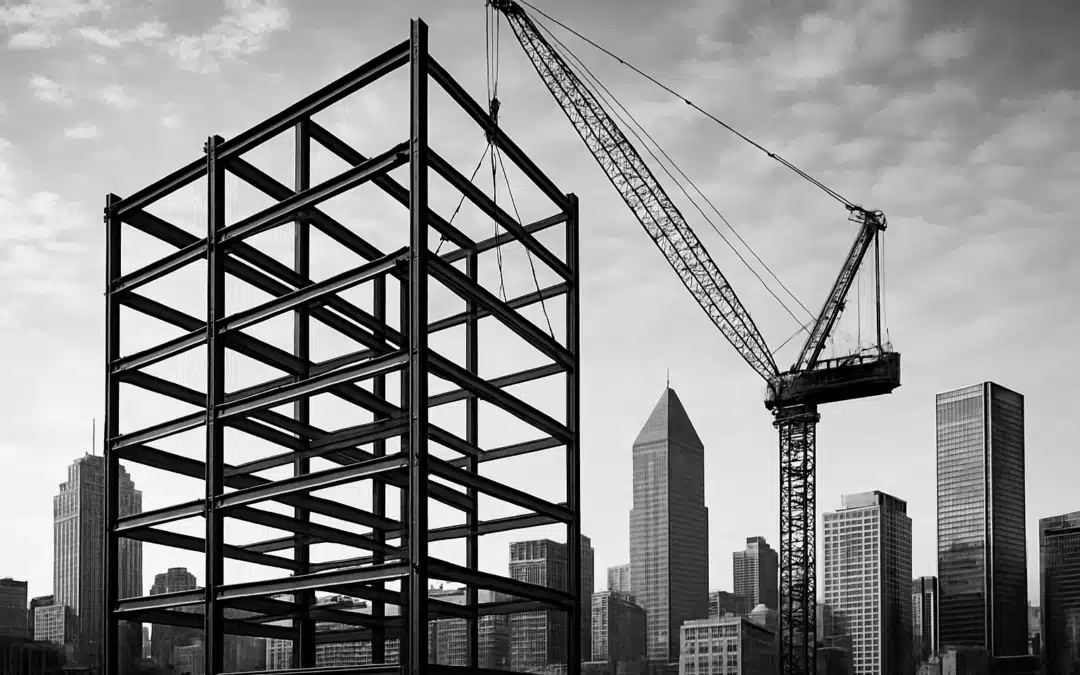
Steel structures offer an impressive array of advantages over traditional building materials, with significant improvement in cost-efficiency, speed of assembly, and sustainability coming to the forefront. Building with steel is akin to crafting an urban future with industrial-grade Lego, providing flexibility, speed, and resilience that few alternatives can match.
The Cost-Efficiency of Steel Buildings – Perceived Luxury or Grounded Reality?
While steel has long been associated with the construction of skyscrapers and complex industrial constructs like bridges and overpasses, we’re seeing an increased demand for steel in residential and commercial low-rises. This trend resonates with the shift towards affordable, efficient alternatives. The economies of scale have made mass-produced steel sections cheaper, lending cost efficiencies to both developers and consumers.
Fast & Furious: How Does Speed of Assembly Raise Steel Above its Contemporaries?
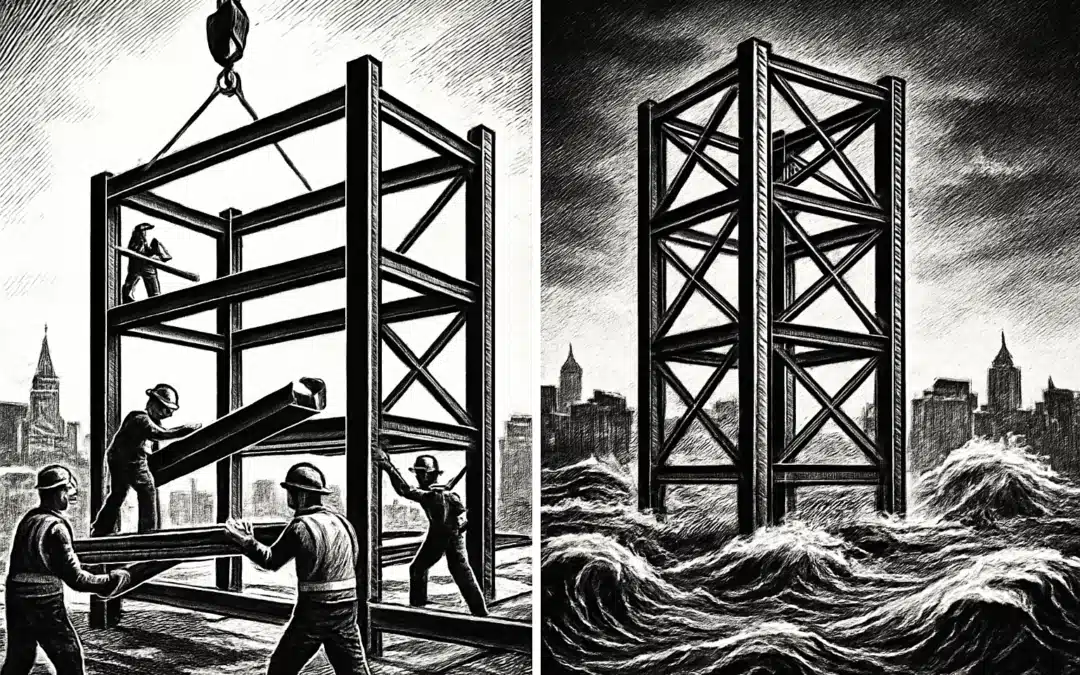
In today’s fast-paced world, time is just as valuable as money. Being pre-fabricated, steel structures significantly slash construction times. This advantage plays a crucial role in reconstruction efforts or the quick scaling of infrastructure. Speed of assembly coupled with decreased labour costs underline the dominance of steel in the construction sphere. Our Bonnyville project is a prime example of how speed can make a world of difference to project delivery timelines.
Are Steel Structures Truly Sustainable?
Yes, they effectively are. Steel, despite often being painted as an environmental villain, can provide a truly green, effective solution in construction. A majority of steel used in construction is sourced from recycled materials, making it the most recycled material on the planet. Further, the energy efficiency during the production process has significantly improved over past decades, contributing to an overall reduced carbon footprint. Unarguably, steel-based British Columbia steel buildings could well be a key element in our sustainable future.
Looking Ahead: Reimaging Urban Spaces in B.C.
Construction norms are evolving in the face of environmental consciousness, and regulatory frameworks are expected to follow suit. With cost-efficiency, speed of assembly, and sustainability on its side, it is clear that the future is increasingly leaning towards steel.
The growing acceptance of steel could encourage the Canadian government to invigorate the local steel industry through favourable policies, pushing down prices further. This shift may generate more job opportunities while ensuring the growth of sustainable infrastructure, translating to a double win. Case analysis of successful construction undertakings like our Lloydminster site can provide a roadmap for this transition.
Pro Tip for Developers:
Rethink your strategy and consider deploying steel as the primary construction material. With the changing industry landscape, shifting towards steel can yield both economic and environmental advantages for you.
We invite our readers to share their thoughts. How are you adapting your building strategy this year? Let’s discuss and learn from each other. Remember, evolution is synonymous with survival, especially in our industry.
Source: Read original article here.