H1: Implications of International Conflict for BC’s Construction Industry: Rethinking the Resilience of Steel
Introduction: If a butterfly flapping its wings in Brazil can create a tornado in Texas, what would happen when international conflict ripples out to the peaceful coasts of British Columbia? The escalating conflict in the Middle East may seem a world away, but it stands to have shockwaves effect on BC’s real estate market, specifically on our construction practices and the adoption of steel structures.
How does Global Conflict Impact Local Construction?
Navigating the domino effect of international conflict to the local Canadian construction industry requires understanding the interconnected nature of global markets and materials sourcing. The present conflict has potential ramifications on the global steel supply chain, and this could tellingly impact the cost-efficiency of steel structures in BC.
The cost of materials is a cornerstone of any construction project; as such, the availability and cost of steel could be affected by the growing Middle Eastern conflict. This uncertainty and potential financial strain put the cost-effectiveness of steel works in the balance.
Could the Speed of Steel Assembly Serve as a Mitigating Factor?
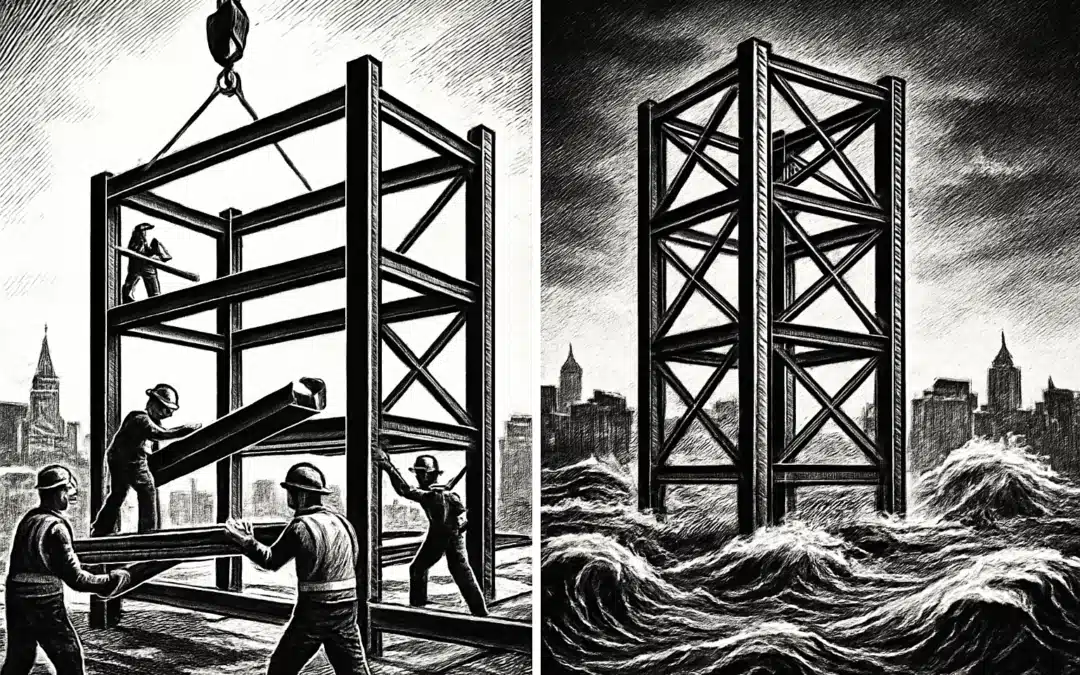
Despite the potential rise in costs, one of the unique advantages of steel structures is their speed of assembly. Steel structures are often heralded as the industrial-grade Lego of the construction world: meticulously designed for a quick, easy, and accurate build. In a climate of uncertainty, this advantage could help to offset increased material costs and ensure projects stay on track.
With technological advancement boosting the efficiency of steel assembly, the speed factor could indeed come to be a decisive point for the industry players grappling with global supply chain disruptions.
What Role Does Sustainability Play in Steel Construction amid Global Unrest?
Another core concern for the construction industry is sustainability. In an age of rising environmental consciousness, the importance of using ecologically viable materials cannot be overstated.
Steel is an interesting player in this landscape — it is both incredibly durable and extensively recyclable. Despite potential adversities, the sustainability and long-term resilience of steel might add compelling layers to its desirability amid a global crisis. New applications and process improvements in steel construction appear poised to set the pace in the quest for a green construction industry.
What are the Possible Solutions for British Columbia?
One potential solution to these challenges is to focus on localising steel production and supply chains where possible. We can’t entirely insulate ourselves from global market fluctuations, but by strengthening our local sources, we may be able to create a buffer.
The robust network of steel buildings in British Columbia could serve as a testament to regional resilience even amidst global troubles. Combined with innovative construction technologies and methodologies, BC’s steel industry could indeed prove its mettle.
Source: Read original article here.
Pro Tip for Developers: Embrace innovation. Amidst potentially increasing steel prices, explore emerging construction methodologies and technologies which may help maintain cost-efficiency. Increase your focus on sustainability as a significant investment for long-term returns, and strengthen your local supply chains wherever feasible.
Now, we invite you to share your insights. How are you adapting your building strategies this year? Your insightful comments could help us all navigate these uncertain times more effectively.