Unpacking the Steel Framework of Vancouver’s Future: A Bold Blueprint for the Next 30 Years
In the ever-changing landscape of the real estate market, have you ever thought about what the skyline of Vancouver might look like 30 years from now? With Vancouver’s population set to escalate by 240,000 residents by 2050, its metamorphosis over the next three decades is the subject of intense debate at public hearings. These projections are not mere numbers. They represent a significant impact on the machinations of the city’s built environment, offering both challenges and exciting possibilities for the Canadian construction industry.
Steel Frames: Building the Backbone of Future Vancouver?
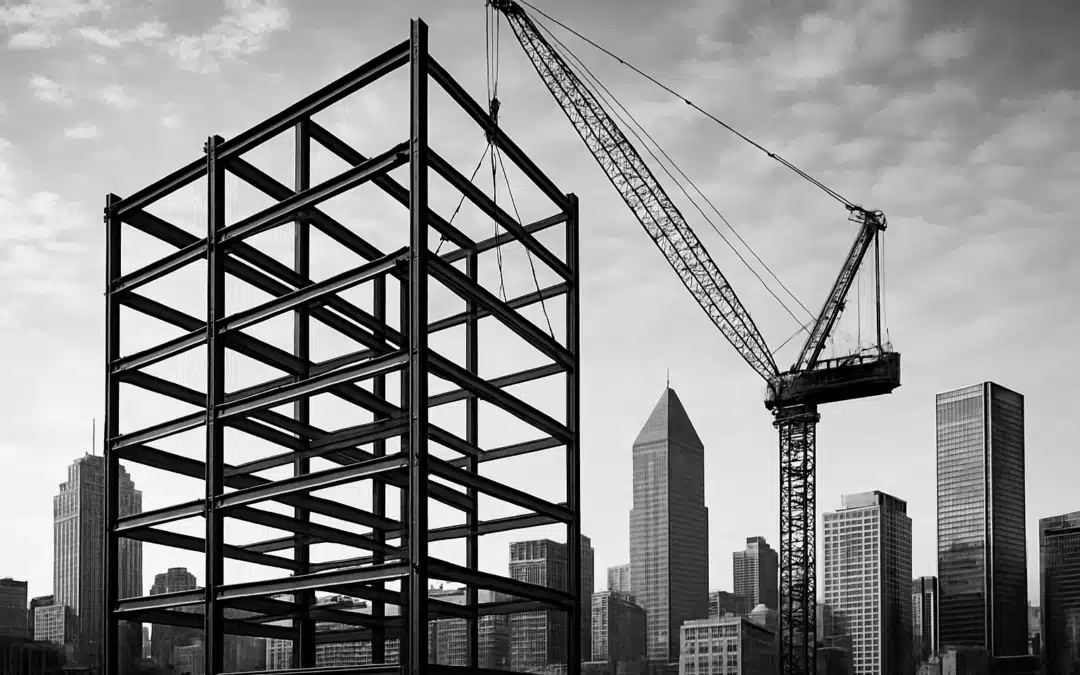
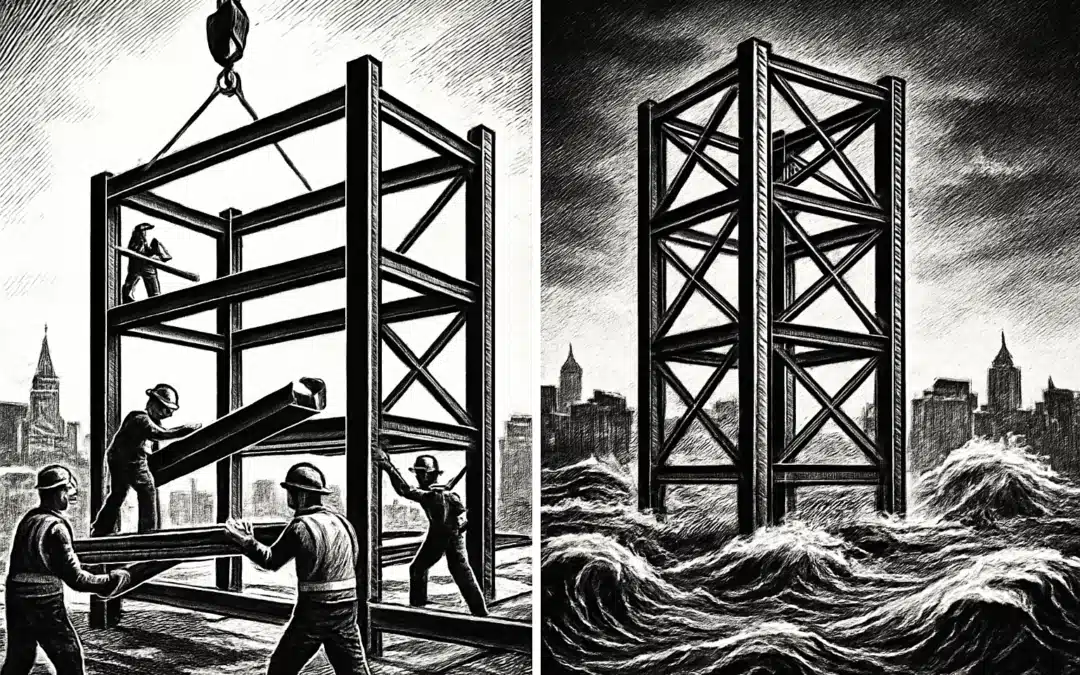
Fundamental to our focus here is understanding the role steel construction can, and likely will, play in shaping Vancouver’s future. Picture this: building with steel is akin to playing with industrial-grade Lego. It’s easily assembled, cost-efficient and above all, sustainable. Let’s dissect how these attributes can contribute to the city’s planned growth trajectory.
Cost-Efficiency: Are Steel Structures the Economical Choice?
When we consider the magnitude of development needed to accommodate Vancouver’s growth in the next 30 years, prudent financial planning is essential. Herein lies one of the merits of steel construction: cost-efficiency. A study by the American Institute of Steel Construction (AISC) articulated that steel costs have remained relatively stable over the last decade, while commodity prices for other building materials have been subjected to significant fluctuations. The translation is clear—choosing steel could enable a more predictable budget framework for the city’s ambitious expansion plans.
Speed of Assembly: Can Steel Structures Expedite the Construction Process?
As time is gold in construction, the speed with which steel structures can be assembled is a significant advantage. Steel is often fabricated off-site, making it a quintessential building material for quick, efficient construction—an undeniable benefit for Vancouver, considering the limited construction window due to its rainy climate.
But it doesn’t just stop there. Research shows that building with steel reduces—as much as by 60 percent—the time consumed during the construction process compared to traditional materials. Hence, steel structures could effectively help Vancouver stay on track with the ever-pressing, ever-demanding timeline of urban growth.
Sustainability: Is Steel the Green Building Material Vancouver needs?
An overarching theme in Vancouver’s development outlook is sustainability. Given Vancouver’s commitment to being the world’s greenest city, the future inevitably turns towards eco-friendly building alternatives. According to the World Steel Association, steel is 100% recyclable, making it one of the most sustainable construction materials.
Equally enticing is that steel buildings offer a higher energy efficiency rating compared to traditional construction methods. This is not only aligned with Vancouver’s green priorities but also offers long-term benefits in the form of energy cost savings for the occupants of British Columbia steel buildings.
Will Steel Construction Be the Hallmark of Vancouver’s Future Development Landscape?
It would be remiss not to consider steel construction’s potential as the blueprint for Vancouver’s future. Its compelling blend of cost-efficiency, speed of construction, and sustainability presents an intriguing proposition for a city on the verge of significant growth.
As Vancouver grapples with its developmental trajectory, Canada’s construction industry, too, will be adapting strategies and methodologies—a process that will likely involve greater reliance on steel-based construction.
Pro Tip for Developers:
As the demand for sustainable and efficient construction grows, consider steel as a viable option for upcoming projects. It offers a unique blend of speed, cost-efficiency, and energy savings that aligns with Vancouver’s green city policies, the climate and the rapidly expanding population.
We invite you to comment below on how you are adapting your building strategies this year and what you envisage for the future landscape of Vancouver.
Source: Read original article here.