Canadian Construction Landscape Poised for a Steel Revolution: Lessons from a Ski Resort
Have you ever wondered how climate change and extreme weather events could be an unlikely catalyst for a reimagining of Canada’s construction industry? A seemingly unrelated news about Chicopee, a popular skiing venue, gives us a sneak peek into the future of building technologies – steel structures.
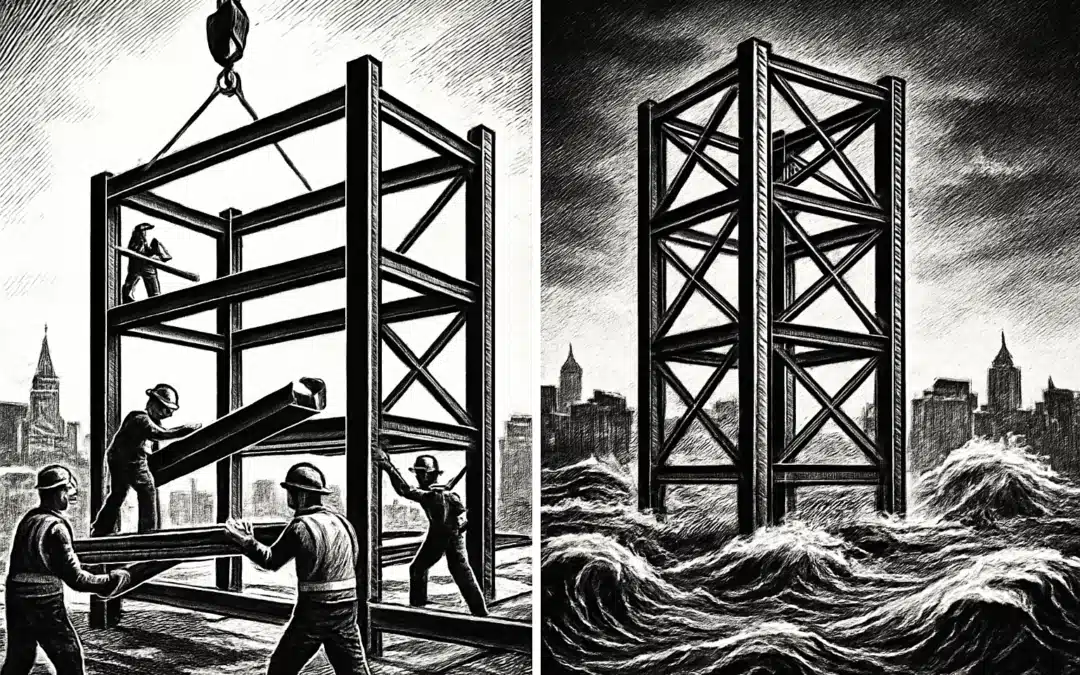
A recent flash flood at this venue caused damage to a parking lot, underlining the importance of resilient infrastructure that can withstand such unexpected events. As the climate becomes unpredictable, we need to ask – can the construction industry future-proof our buildings against such threats?
Are Steel Structures the Answer to Extreme Weather Events?
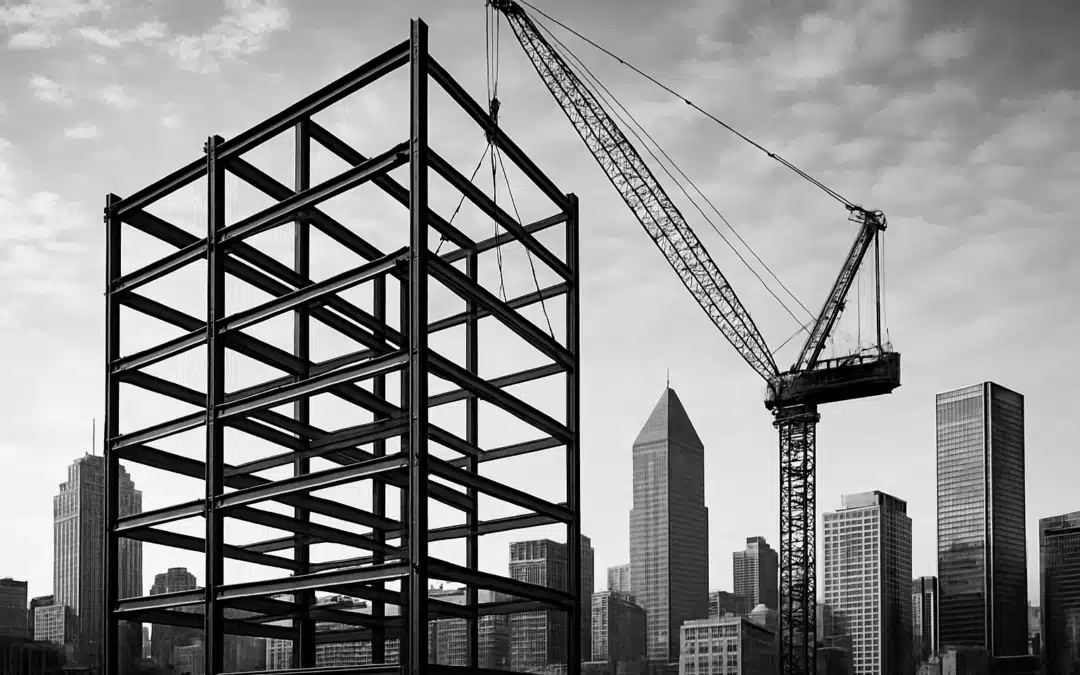
Building with steel is a bit like playing with industrial-grade Lego; it’s fast, flexible, and significantly more durable. As seen in the recent event at Chicopee, traditional construction materials like concrete and wood may not offer the same level of resilience in extreme weather conditions. Yet, steel buildings with their high-grade strength and durability, promise to withstand even the harshest conditions.
How Do Steel Structures Promote Cost-Efficiency?
A conversation around steel construction won’t be complete without speaking about cost. Over conventional methods, steel structures bring in significant cost savings. Pre-engineered steel buildings, for instance, can save up to a third of your construction costs, with reduced labor, cheaper insurance, and delivery costs contributing to these savings.
Especially in the context of damaged parking lots like those at Chicopee, the quick assembly time that steel building kits allow, ensures minimal downtime, reducing the financial hit significantly.
A Case in Point: Oakville’s Multi-Bay Equipment Storage
Taking a closer look at one of our completed projects, the 30X44 multi-bay equipment storage in Oakville, you’ll notice an astounding combination of cost-efficiency, speed of assembly, and durability. This project, built with steel, highlighted how the material’s properties can significantly expedite the construction process while saving on costs.
What about sustainability, you might ask?
Indeed, in the era of climate change, construction must not only withstand the effects of the changing climate but also contribute to reducing its impact. Thankfully, steel structures are a frontrunner in this segment. Steel is 100% recyclable and has a much lower carbon footprint than most other building materials. Their sustainability lends itself well to the goal of a greener commercial architecture too.
Regional Implementation: The Ontario Example
Applying these benefits to a regional context such as Ontario, it becomes clear that steel buildings in Ontario could offer the solution to multiple challenges. From the burgeoning housing demand in urban areas to regional industries’ need for cost-effective, durable structures, steel presents a viable, future-focused solution.
With such compelling evidence in favour of steel structures, it’s only a matter of time before the Canadian construction industry sees a significant shift in trends.
Looking Ahead: The Future of Construction in Canada
It seems the need for resilient, sustainable, and cost-effective construction is shaping a future where steel structures take center stage. The ripple effects of a single weather-induced incident at a ski resort has potential to reshape the construction landscape, making it more resilient, sustainable, and cost-effective.
Pro Tip for Developers: Assess your current building strategies with a long-term lens. Consider the weather, cost-efficiency, and sustainability factors that could impact your projects in the next decade.
We invite you to share comments below on how you are modifying your building strategies this year. Let’s work together for a cost-effective, resilient and sustainable Canadian construction industry.
Source: Read original article here.