Redefining the Future of Construction: The Overarching Implication of Steel Structures in Canadian Real Estate
Have you ever thought about what it means for a construction project to stay on schedule despite encountering significant hurdles like corrosion and mould? The recent renovation story of Prince George Aquatic Centre in British Columbia provides a fitting starting point to understand this.
How Is Corrosion and Mould Impacting the Canadian Construction Industry?
The experience of the $37-million Prince George Aquatic Centre renovation is not an isolated case. In fact, instances of corrosion and mould delayed projects are prevalent in the Canadian construction industry. These challenges can inflict considerable financial damage, prolong construction timelines, and endanger the structural integrity of buildings.
However, even amidst these potential risks, the Aquatic Centre renovation stayed on time and on budget. How? A part of the answer lies in the strategic use of steel structures.
How Can Steel Structures Alleviate These Construction Issues?
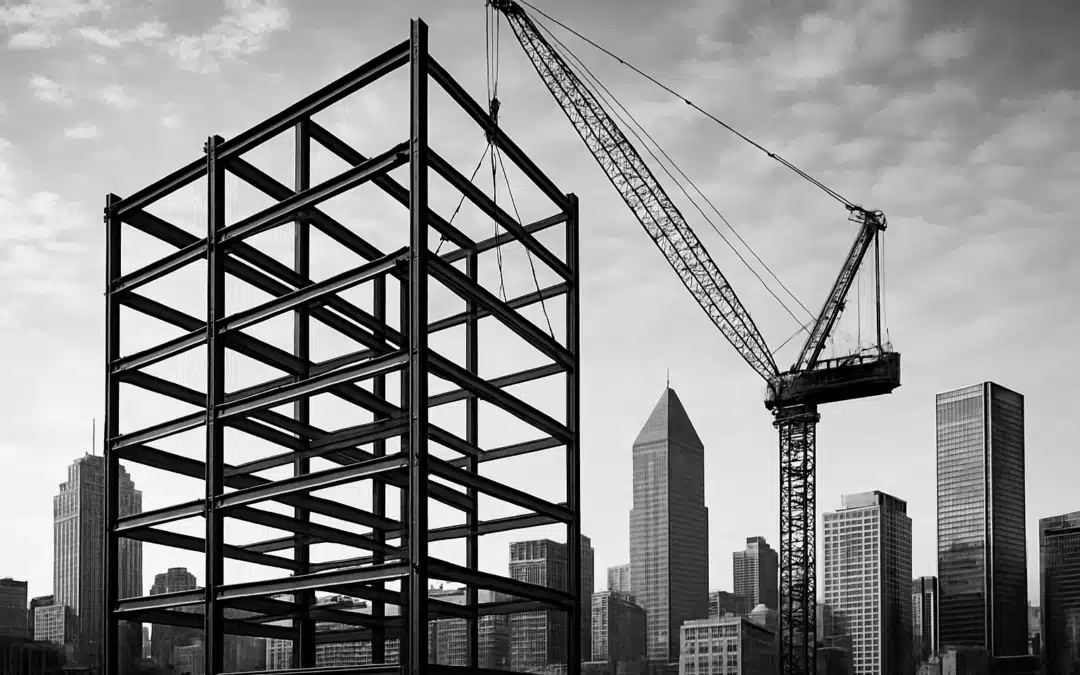
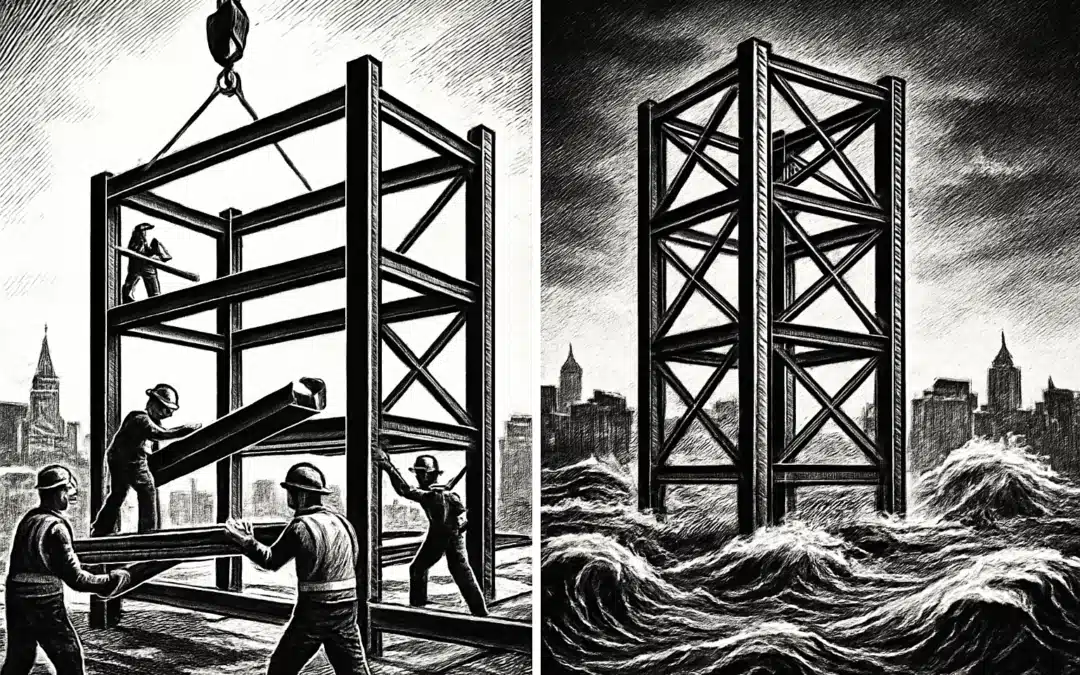
Think about building with steel as playing with industrial-grade Lego. In terms set down by durability and speed, they’ve become the golden child of the construction world. Being resistant to many of the factors that delay construction, such as water damage and mould, steel construction often proceeds smoothly, thereby ensuring cost efficiency and adhering to stipulated deadlines.
The Superiority of Steel: Cost-Efficiency, Speed, and Sustainability
Construction with steel procures benefits that are manifold. Firstly, steel structures can significantly cut down construction timelines. This can be attributed to easy assembly of steel building components – such as those in British Columbia steel buildings – which are often pre-fabricated and ready-for-installation upon delivery.
In terms of cost-efficiency, steel structures once again outshine traditional methodologies. With the rapid assembly process, lesstime and manpower are needed, thereby reducing overall construction costs. Further cost benefits are gained from the durability and longevity of steel structures, which require less frequent maintenance and repairs over their lifecycle.
Furthermore, steel structures present unmatched opportunities for sustainable development. They can be recycled indefinitely without a loss in quality, presenting a significantly less environmental burden compared to traditional construction materials.
What Does This Mean for the Future of Canadian Construction?
The resilience exhibited by the Prince George Aquatic Centre renovation serves as a testament to the escalating significance of steel structures in Canadian construction. A growth can be expected in innovative structures like the barndominiums in British Columbia, facilitated by the strategic use of steel. Adapting to this shift opens avenues for creating versatile living and workspace combination.
From an industry perspective, the acceptance of steel structures aligns with a broad range of construction projects—from public to private sectors, industrial to residential sectors, and large-scale to smaller storage buildings. An example of the latter is storage buildings in Surrey, where steel is used to ensure durability and ease of maintenance.
Final Thoughts: A Paradigm Shift in Canadian Construction
The successful on-schedule completion of the Prince George Aquatic Centre renovation underscores a radical redefinition in the construction approach. Embracing steel structures emerges not just as a trend, but more as a necessity for the future of the Canadian construction industry.
Source: Read original article here.
Pro Tip for Developers: Look towards investing more heavily in steel structures – they’re not just the present, but also the construction material of the future. Promote sustainability, cost-efficiency, and speed – take advantage of their benefits to enhance your projects.
We invite you to share your insights and thoughts on how you’re adopting steel structures in your construction strategies this year. Your innovative ideas have the power to inspire a robust, cost-effective, and sustainable future for Canada’s construction industry.