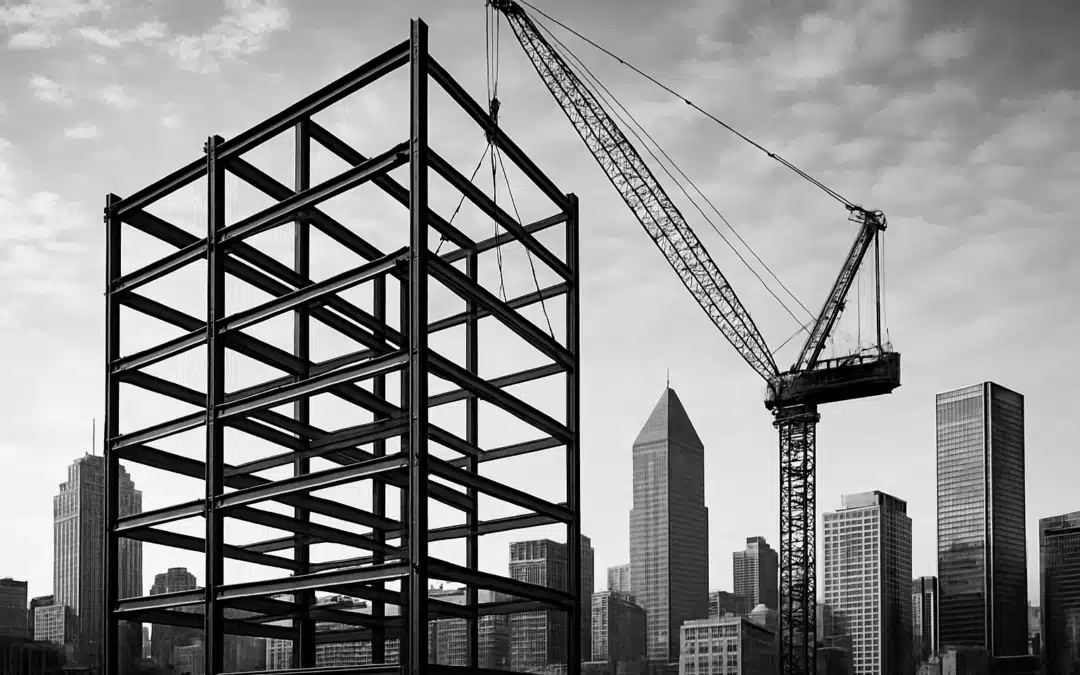
Is Steel the Future of Toronto’s Condo Boom?
What if I told you that the future of Toronto’s condo market doesn’t hinge just on lower prices and borrowing costs, but also on steel? In April, a notable resurgence of interest has seen buyers begin to jump back into the previously expensive and sluggish condo space. But let’s look beyond the current climate, past the rebound, and explore the long-term implications of steel construction in the Canadian market, specifically focusing on cost-efficiency, speed of assembly, and sustainability.
What makes steel construction so appealing?
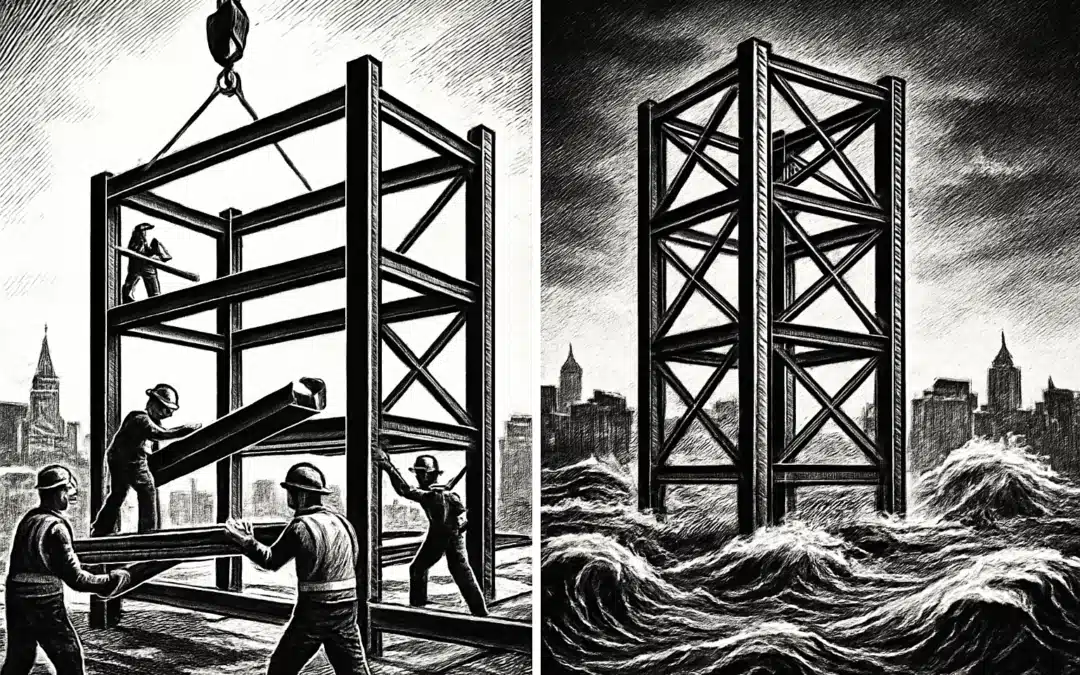
To understand the shift towards steel construction, let’s start with the basics. Building with steel is much like playing with industrial-grade Lego: it’s a system with all the pieces designed to fit together seamlessly. This blend of simplicity and versatility is appealing. The real kicker, however? Steel structures promise to solve many of the headaches that plague traditional wood-frame buildings.
How does cost-efficiency factor in?
In the world of real estate, bottom lines are crucial. Traditional wood-frame buildings are notorious for sudden cost overruns and delays, translating into unpredictability for developers and the potential of increased prices for consumers. But steel offers a welcome departure from these pitfalls. With their pre-engineered components, [steel buildings] can significantly mitigate unforeseen costs and delays, making them a compelling and predictable alternative.
What about assembly speed?
The speed of assembly is another point of attraction for developers considering switching their construction materials. Steel can be erected at nearly twice the pace of traditional buildings. This increased speed translates into quicker turnarounds, reducing carrying costs and allowing developers to respond rapidly to market demand. Particularly in hot markets like Ontario, where the supply of steel buildings can directly impact housing affordability, this makes steel an attractive option.
Can steel positively impact sustainability?
Yes indeed. The construction industry has been grappling with its environmental impact for years. In fact, Canada’s building sector is a major contributor to greenhouse gas emissions. Yet again, steel comes as a game changer. The material is recyclable, and [steel structures] have a longer lifespan than their wood counterparts, reducing the pressure for new construction.
Not to mention, the speed of assembly for [steel structures] can minimize onsite disturbances, providing an added benefit in dense urban areas like Toronto. Improved acoustics, better fire resistance, and increased resilience to natural disasters make steel an optimal solution in the quest for sustainable infrastructure.
Looking Ahead
Whether it’s the speed of assembly, long-term cost efficiency, or increased sustainability, steel is poised to revolutionise Canada’s real estate market. Given the recent resurgence of Toronto’s condo market, steel could be the catalyst that sparks the next boom.
However, adopting steel is not just about riding a wave, it’s about setting up the coming generation for success. Today’s rising carbon emissions and climate change concerns put a clear emphasis on the need for sustainable solutions.
In other words, building with steel isn’t just an option; it’s a necessity for future-proofing Canada’s housing market.
Source: Read original article here.
Pro Tip for Developers
Maximise your advantage by embracing steel construction in your next project. Not only could you reap financial benefits, but you will also be making a significant contribution to sustainable development in Canada.
Indeed, we encourage our developer community to share their thoughts. How are you adapting your building strategies as this year progresses? Leave your insights in our comment section below.