Building Canada’s Economic Muscle with Steel: How Grocery Store Expansion Signals Evolution in Real Estate
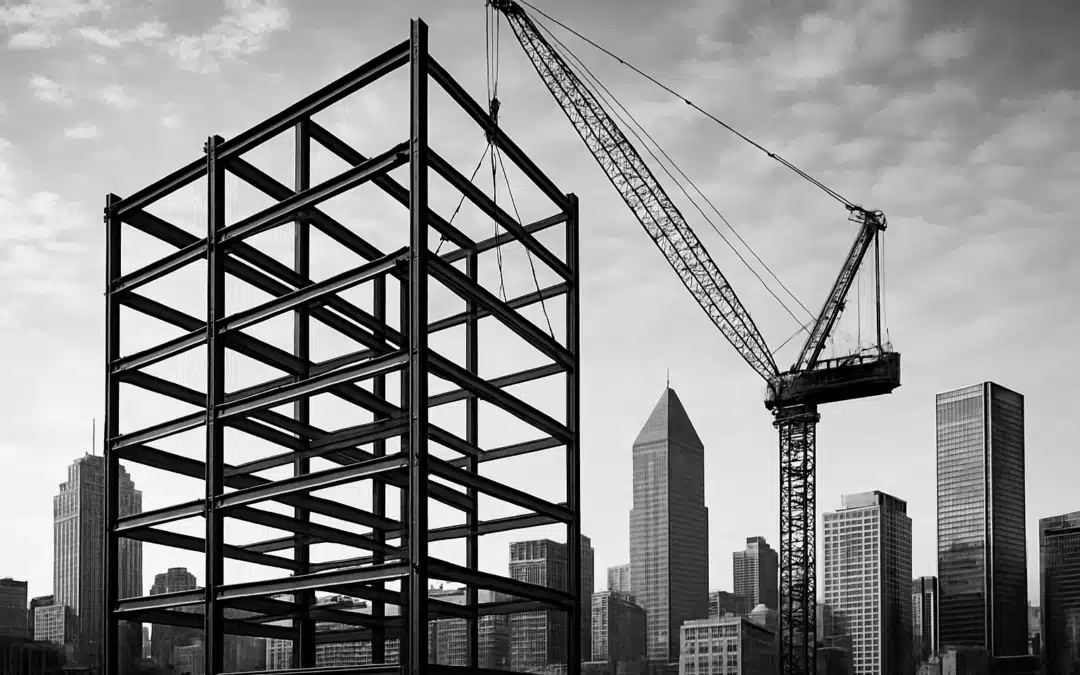
Is the increasing number of grocery stores in parts of British Columbia a sign that the province is flexing its economic muscles? Some might see it that way—from the construction of a new No Frills store at the northern end of town to Sobeys FreshCo expanding operations on Recplace Drive. However, a more discerning eye might uncover the promising story within—the evolution of steel structures in our construction industry.
Why the Buzz Around Steel Construction?
Steel construction isn’t new. Still, what’s re-igniting its popularity in commercial development, particularly in resurfacing retail landscapes like grocery stores? It all boils down to three magic words—cost-efficiency, speed of assembly, and sustainability.
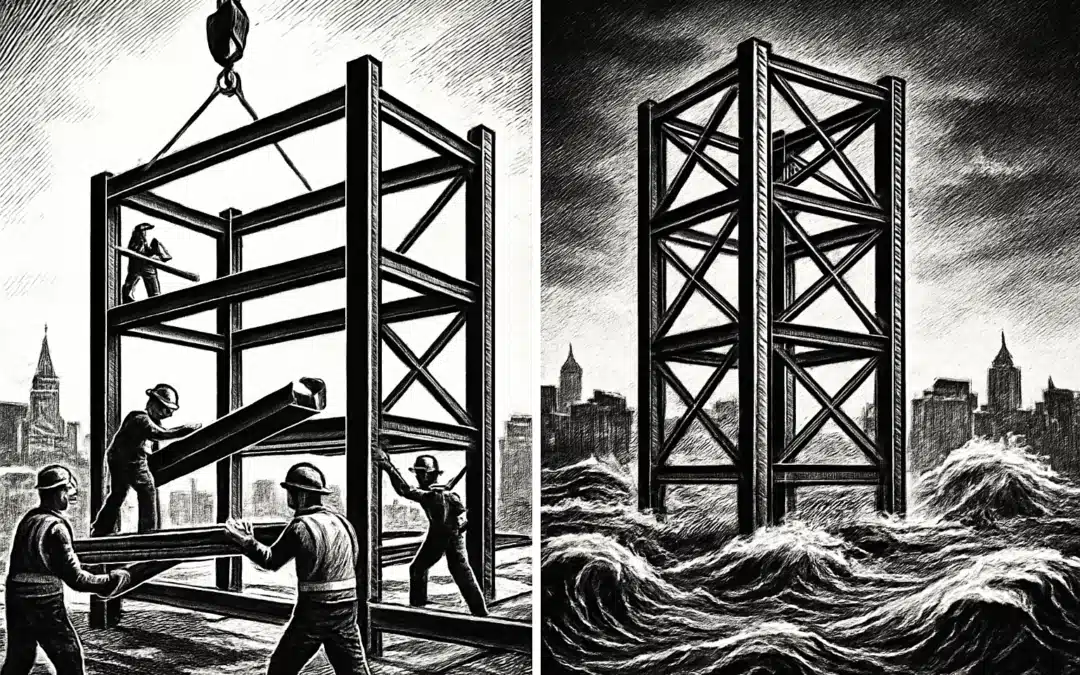
Contrary to perception, steel is relatively pocket friendly. When you consider the long-term maintenance savings it offers, it’s no surprise that developers are flocking to it with increasing enthusiasm. Add in the fast assembly time and the significant carbon footprint reduction due to recyclability, and it starts to feel like you’re dealing with a supermaterial. Building with steel is akin to playing with industrial-grade Lego—only this time, the blocks are super sturdy and infinitely reusable.
But What Does Grocery Store Construction Have to Do with Steel?
A grocery store, like any other commercial structure, needs a reliable, durable, and cost-effective building materials. Increasingly, steel is fitting the bill. This shift towards steel buildings speaks volumes about the evolution of the construction industry. These aren’t just ordinary structures; they are symbols of change, evidence of a market progressive enough to adopt superior materials and construction technologies.
The surge in steel construction also points to the expanding economy, triggering demand across the real estate market. For instance, the budding barndominium trend in British Columbia underscores a rising wave of urban dwellers moving towards rural living, which wouldn’t have been conceivable without advancements in steel construction.
What Long-term Implications Does Steel Construction have on the Canadian Market?
The pervasiveness of steel construction can trigger a ripple effect that stretches beyond the realm of retail and commercial real estate. For instance, it can significantly impact industrial zoning, particularly within cities like Prince George that are demonstrating robust growth and expansion.
Moreover, a surge in British Columbia steel buildings brings with it scalable, efficient, modern construction practices that can lead to economic upliftment. Benefits ripple forward into manufacturing sectors, building supply businesses, and job creation across our beautiful province, solidifying our economic resilience.
Will the Steel Trend Continue?
Unfortunately, we don’t have an industrial-grade crystal ball at our disposal. But given the many benefits of steel—and a prominent sector like grocery store construction driving the trend—it’s safe to predict a very bright future for steel.
In this context, our steel building kits embody the evolutionary shift towards steel in Canadian construction. These kits, designed for speed and efficiency, offer a glimpse into the future of construction—one that balances economy, aesthetics, and sustainability.
A Pro Tip for developers—exploit the advantages of steel where feasible. Not only will it lead to competitive efficiency and cost savings, but it’ll also have you playing your part in piloting our market towards a more sustainable real estate landscape.
Before you move on to your next online destination, we invite you to share your thoughts on the shift towards steel construction. How are you adapting your building strategies this year? Every nugget of knowledge adds to the richness of our collective understanding. Together, we can shape the future of our industry.
Source: Read original article here.