Unearthing Victoria’s Past: A Catalyst for New Age Steel Construction
From the discovery of hidden artefacts under Wharf Street in Victoria to the rising skyscrapers in Vancouver, the Canadian construction industry has seen significant evolution. But what would you say if I told you that steel buildings might take British Columbia’s real estate to an unmatched level of cost-efficiency, swift assembly, and sustainability?
How is Canada Embracing the Future with Steel Buildings?
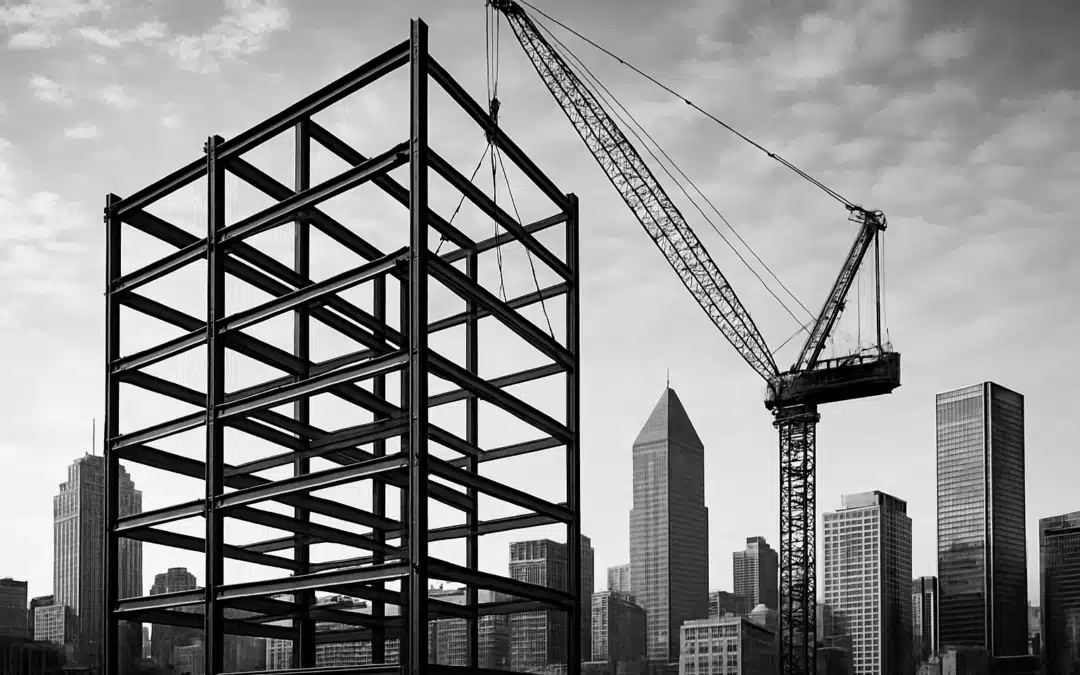
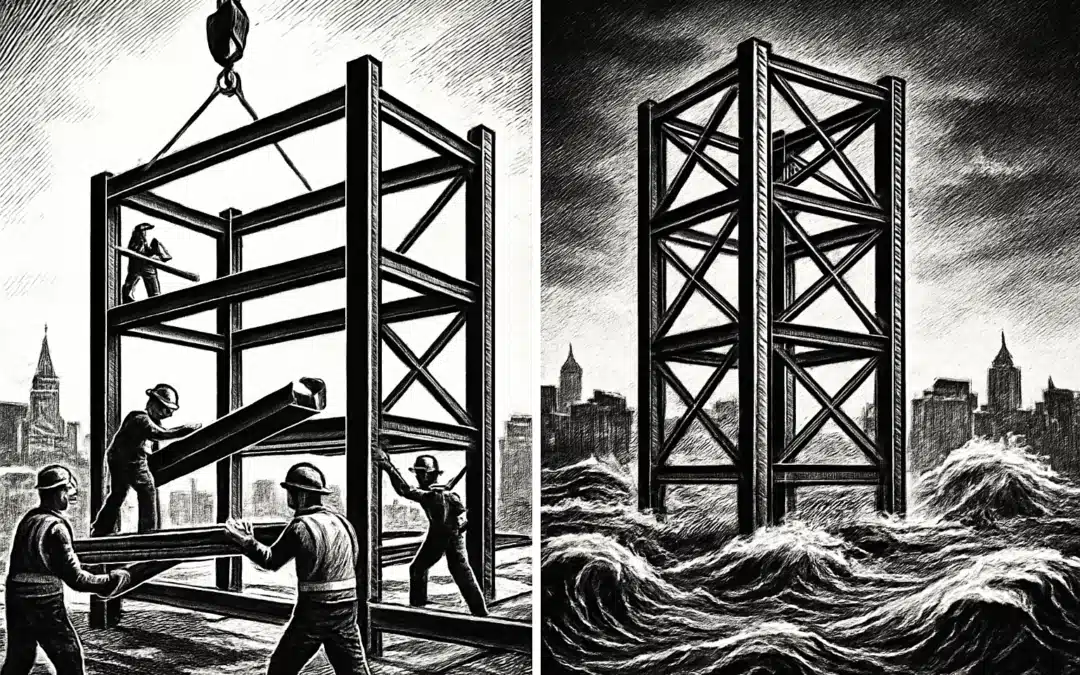
Not so long ago, stone and wood reigned supreme in the construction landscape. Today, the industry is inclined towards steel buildings, and Victoria’s rich architectural history offers interesting perspectives. Steel structures are popping up all over Canada, and for good reason – they are cost-effective, time-saving, and environmentally friendly. They are, in essence, the “industrial-grade Lego” of contemporary construction, flexible enough to accommodate almost any design requirement, yet strong enough to withstand the harsh Canadian weather.
Can Steel Construction Offer a Path to Sustainability?
The sustainability potential of steel buildings is a tremendous asset, particularly considering growing concerns around environmental impact. Unlike concrete or wood, steel can be recycled indefinitely without losing strength or quality – a feature that shames raw materials sourcing which affects massive deforestation, groundwater contamination, and greenhouse gases emission.
In a world that needs to move faster toward sustainable practices, steel, surprisingly, stands out not only as a durable, cost-effective solution but also as the responsible choice for builders who care about our planet’s future.
What are the Economic Impacts of These Changes in the Construction Industry?
When considering the economic dimension, construction speed becomes a crucial variable affecting the overall cost of projects and, consequently, the real estate market dynamics. Prompt assembly is intrinsic to steel construction, marking a stark contrast to traditional methods that require longer timeframes.
Moreover, steel offers considerable advantages in operational costs because of its resistance to environmental elements such as weathering and pests. In essence, the adoption of steel-based structures signals a move towards economically viable practices that could transform Canada’s real estate investment environment for the better.
British Columbia Steel Buildings are at the forefront of this innovation, actively contributing to the regional economy by attracting investments and generating employment opportunities.
Will History and Modernity Find a Symbiotic Relationship?
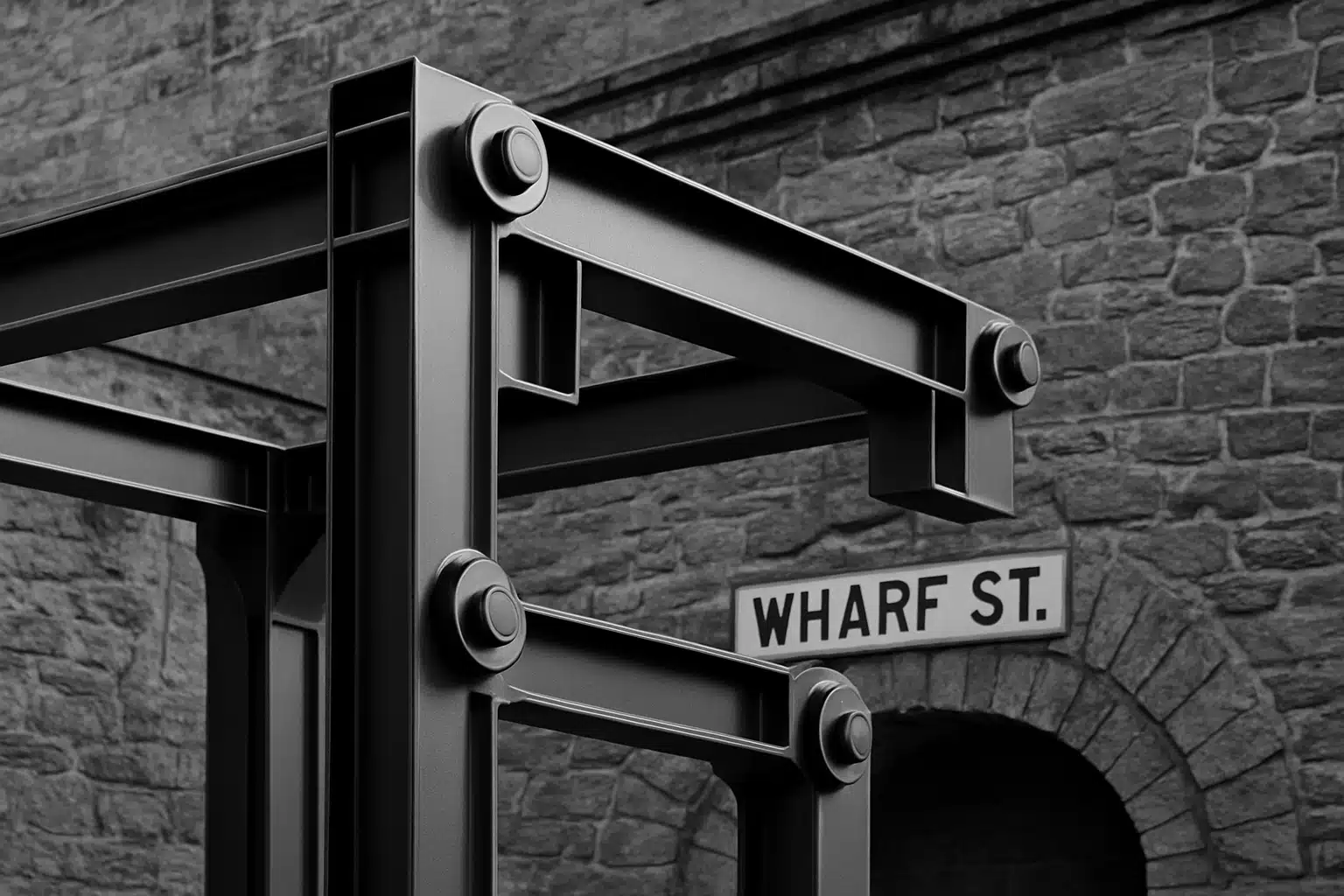
This shift towards steel is not only indicative of an evolving construction industry but also the marriage of history and modernity. Preservation of historical landmarks such as the old stone wall underneath Wharf Street in Victoria, initially posed great engineering challenges. However, with technologies underpinning steel construction, restoration and preservation work can advance without compromising the architectural integrity of such sites.
It’s a crucial consideration in maintaining the cultural heritage of cities like Victoria while simultaneously embracing the technological progress embedded in newer steel building kits.
The Rise of the Barndominium: Merging Sustainability, Cost-Effectiveness, and Aesthetics
An exciting manifestation of this merging is the rise of barndominiums. Here, steel is creatively used to generate distinctive and comfortable homes that are cost-efficient, quick to build, and remarkably sustainable.
To Sum Up
From a street beneath Victoria to the skyline of British Columbia, the real estate landscape is transforming at an unprecedented pace. Steel buildings, with their cost-effective, quick assembly, and sustainability credentials, are emerging as a disruptive era in the construction industry.
Pro Tip for Developers
The construction industry’s future leans towards sustainability and cost-effectiveness. Embrace steel structures, not only for their speed and cost economy but as a resilient and responsible choice for our environment.
We encourage you, our readers, to share your perspectives. How are you adapting your building strategies this year? Comment below and let’s make our construction industry better, one building at a time.
Source: Read original article here.