New PNE Amphitheatre: A Glowing Signal for Steel Construction’s Future in Canada’s Real Estate
Have you ever considered the correlation between the recent opening of Vancouver’s new $183M amphitheatre and the evolution of Canada’s construction industry? It’s time we took a closer examination at the opportunities ripe in the link between them.
The Economic Significance of the New PNE Amphitheatre
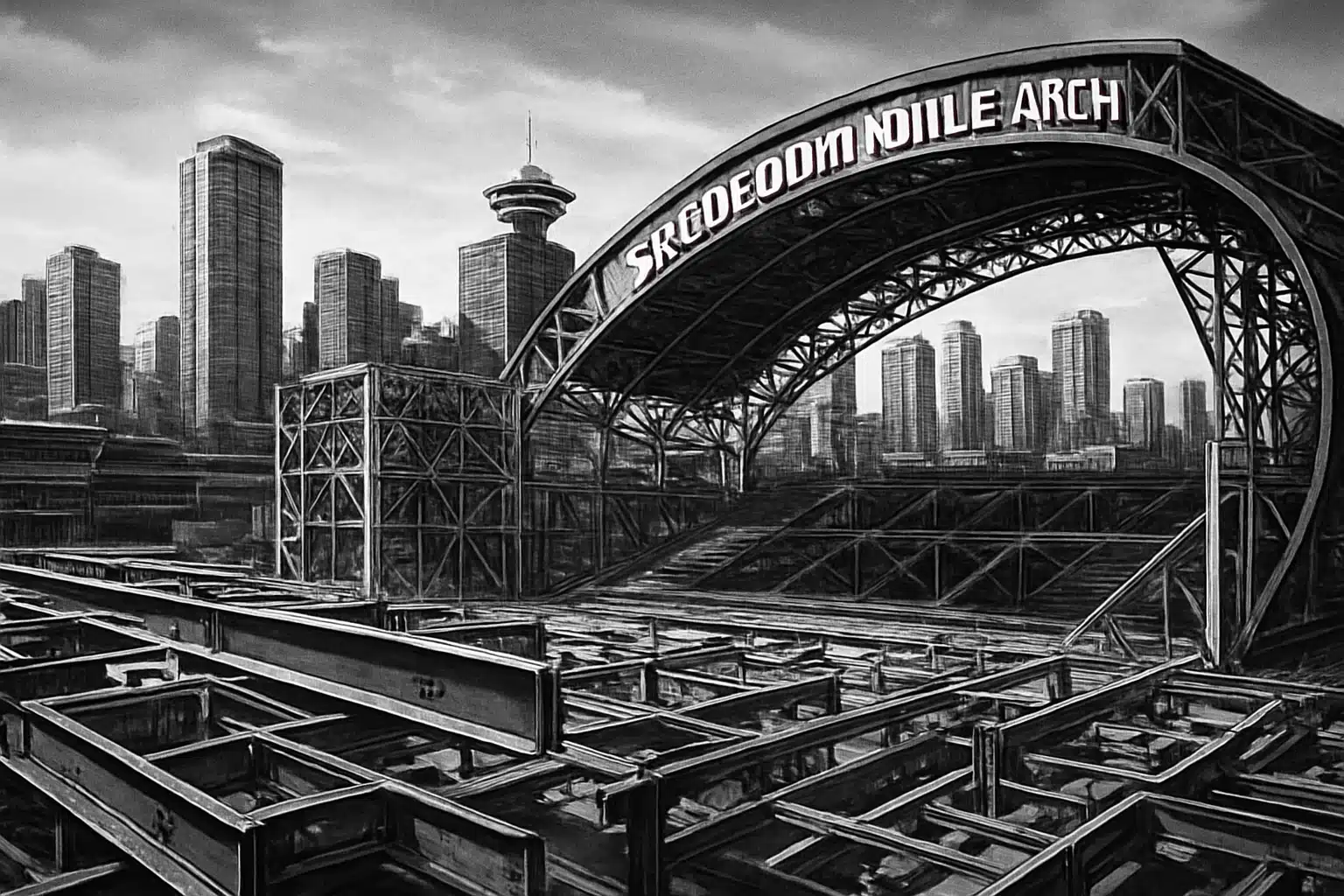
The creation of the Freedom Mobile Arch at the Pacific National Exhibition is intended to hold a capacity of 10,000, and is set to host the City’s FIFA World Cup 2026 fan fest. But beneath this bright spotlight lies a deeper significance—the shift in the Canadian construction industry towards cost- efficient, rapidly assembled, and environmentally sustainable steel structures.
Why is the Construction Industry Pivoting Towards Steel?
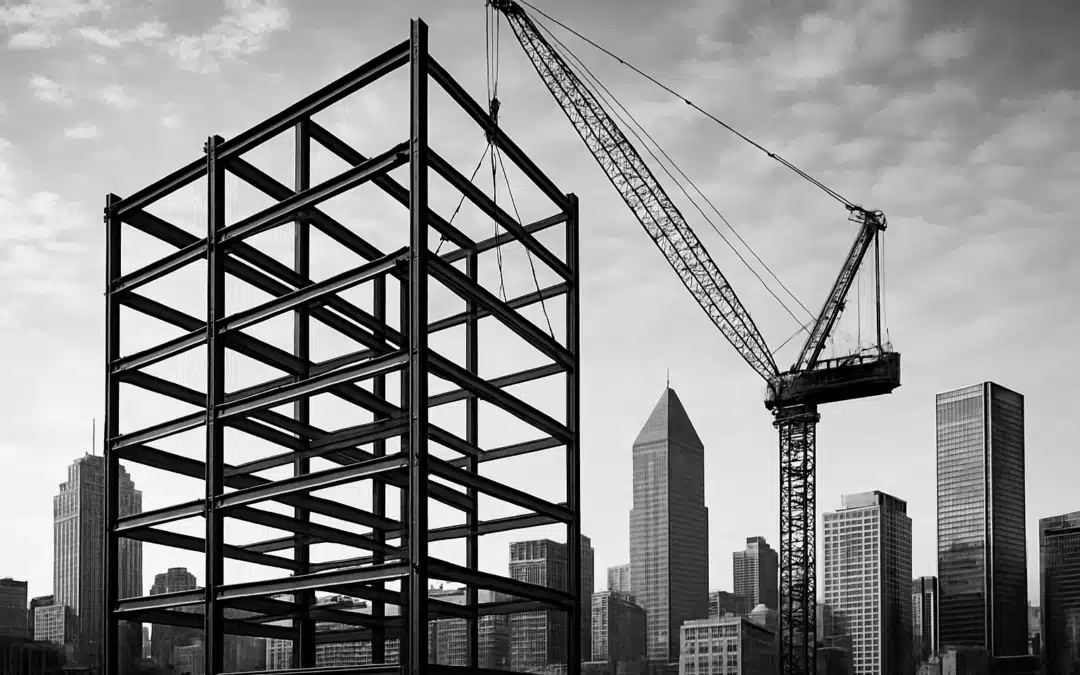
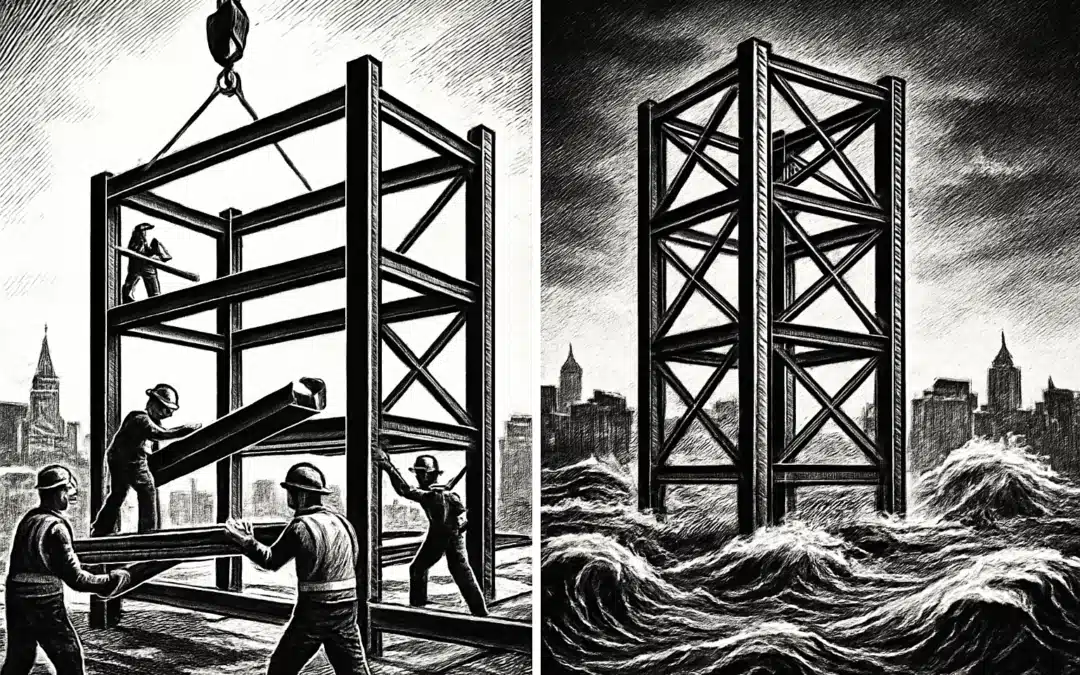
Imagine building with steel as playing with industrial-grade Lego. The pieces are designed to fit together seamlessly, the structure is robust, and the modification or extension becomes relatively easier. Prefabricated steel components speed up assembly times, immediately translating to labour cost savings—something particularly significant in Canada’s escalating labour market.
Is Steel Construction Cost-Efficient?
When assessing cost-efficiency, we need to look beyond initial construction costs. While it’s true that raw material prices—including those for steel—have risen recently, steel’s durability leads to lower maintenance and replacement costs over the building’s lifetime. Consider projects like barndominiums in British Columbia which beautifully illustrate this cost efficiency.
Additionally, other economic benefits include potential savings on insurance premiums due to steel’s fire-resistant properties and, with a properly insulated steel building, savings on energy bills.
The Sustainable Promise of Steel: A Game-Changer?
Indeed, it could be. Steel is a 100% recyclable material and maintains integrity through multiple lifecycles. The construction industry is a major contributor to landfill waste—something that can be significantly mitigated through steel recycling. When it comes to large projects such as PNE’s new amphitheatre, a case for steel’s environmental benefits becomes even more compelling.
Consider local efforts by companies specializing in British Columbia steel buildings. These examples highlight how regional specific solutions are innovating and pushing the boundaries.
How Will Steel Frame Adoption Impact Construction Schedules?
Swapping from traditional construction methods to steel frame is more than a materials decision—it’s an entirely different methodology. Steel frames, such as those found in a steel building kit, are typically manufactured offsite and brought to the location for assembly. This means less logistical congestion at the construction site and, crucially, less dependence on weather conditions, allowing project completion times to become more predictable.
What Does the Future Hold for Steel Construction in Canada?
In the wake of this era-defining project, the future of construction in Canada could be steel-lined. With the adoption of innovative, sustainable, and cost-efficient construction materials in iconic projects, the industry could experience an upswing in productivity, sustainability, and profitability.
The perfect blend of cost-efficiency, speed of assembly, and sustainability offered by steel structures makes it a no-brainer for real estate developers and builders. It’s time for players in the construction industry to go back to the drawing board and assess their strategies.
Pro Tip for Developers
Consider steel as an essential part of your toolkit—not only for the cost and time efficiencies, but the incredible long-term sustainability it promises.
So don’t wait—start re-evaluating your construction strategies now! We’d love to hear how you’re adapting your building strategies this year. Please share your stories and thoughts in the comments below.
Source: Read original article here.