Transformation of Ottawa’s Confederation Heights: A Steel-Structure Renaissance Awaits?
Have you ever imagined robust yet sleek steel buildings overtaking the underutilized, traditional concrete canvas of Ottawa? The recently approved redevelopment plan of the Confederation Heights by the National Capital Commission (NCC) welcomes an intriguing inference – fostering an upscale shift towards steel construction in Canada, particularly in Ottawa’s real estate sector.
Why Steel in Construction: The Canadian Context
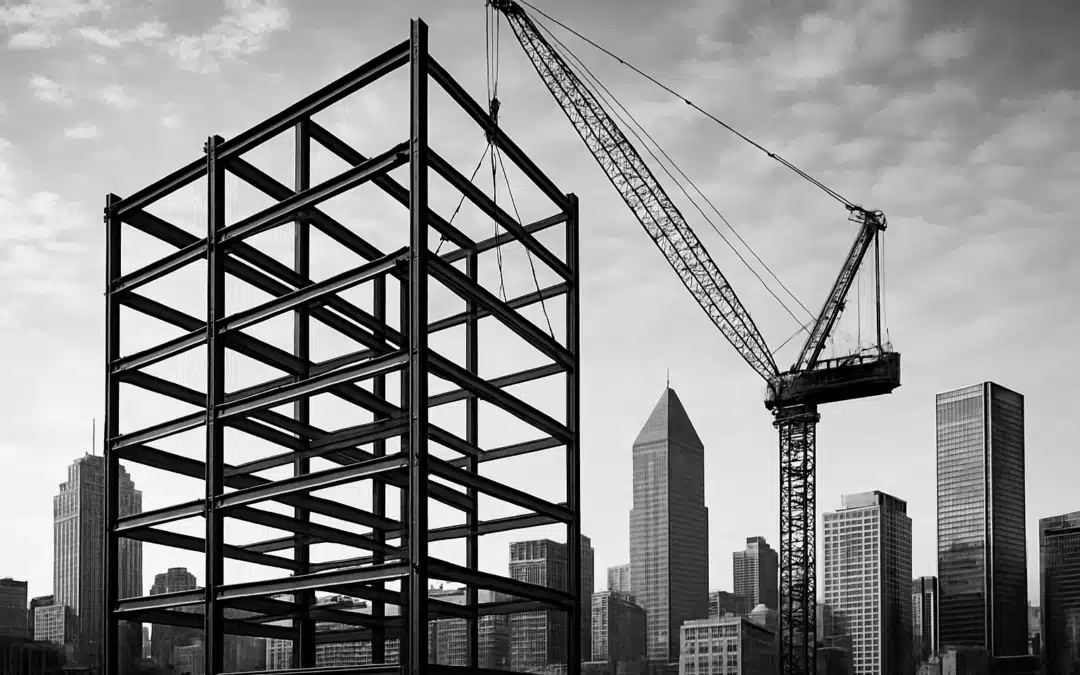
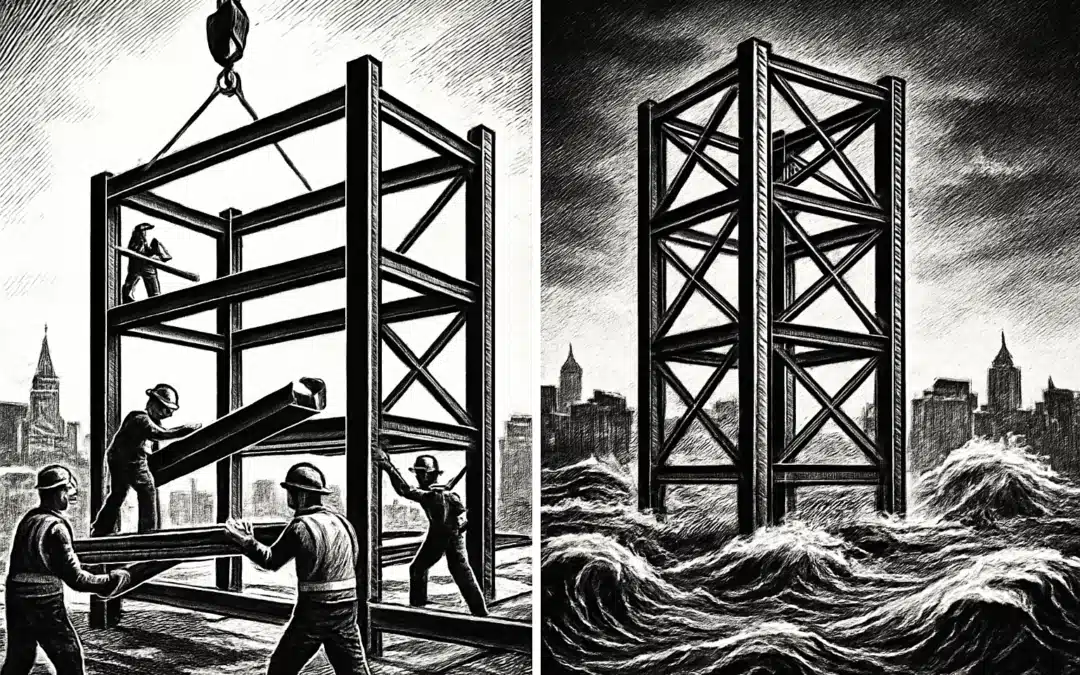
“Building with steel is akin to playing with industrial-strength Lego, but with much bigger consequences.” This analogy incorporates not just fun but an immense weight of pragmatism. Cost-effectiveness, speed of assembly, and environmental sustainability sit at the core of this rationale.
Steel’s inherent advantages lie in its innovative design flexibility and durability, eliminating the ‘cookie-cutter’ concerns that often accompany traditional real estate construction. Furthermore, in a construction environment pressed for time, steel structures’ relatively fast assembly bolsters the urgency without compromising quality. Most importantly, with Canada’s commitment to reducing its carbon footprint, steel’s recyclability ticks the all-important box of sustainability – a critical value addition for the long-term vision.
How Might the Confederation Heights Project Catalyze Cost Efficiency?
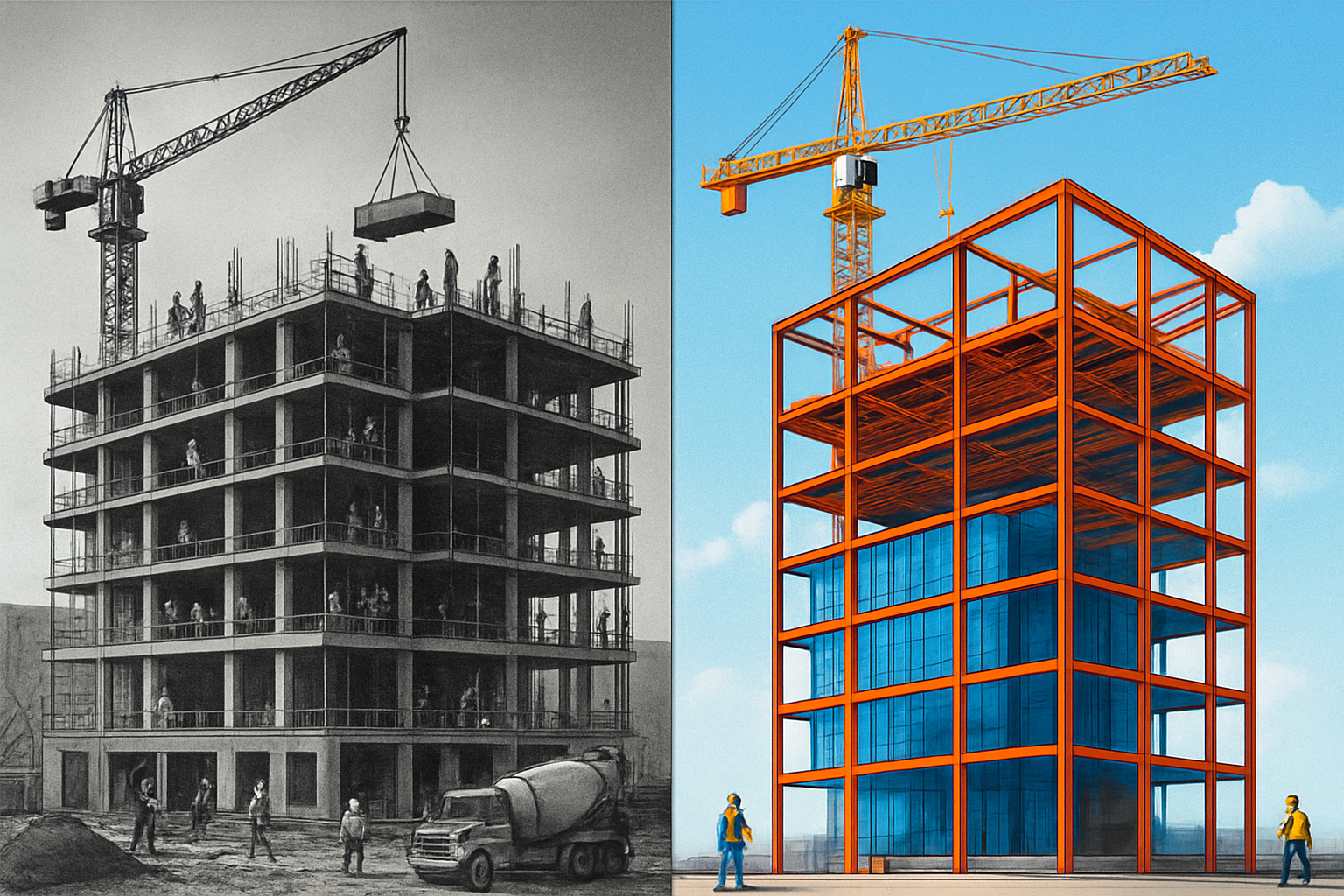
The Confederation Heights project hints at a potential revolution in the Canadian construction industry. By selecting steel structures as a primary construction material, project costs can descend significantly. Steel buildings, despite their modern attributes, demand fewer resources in terms of both material quantity and labor force when compared to their concrete counterparts. As exemplified in the erection of a 30x30x12 ft steel building kit, project costs are economic, stemming from the standardized and simplified construction process.
Speed of Assembly: Revolutionizing Ottawa’s Construction Timeline?
Quicker assembly means earlier occupancy. Reimagining the Confederation Heights with steel buildings could expedite the city’s transformation. With the capability to realize even large scale projects, such as a 30X60 truck tractor maintenance shop in Windsor, Ontario, within a concise timeline demonstrates the speed of assembly with steel structures, without sacrificing structural integrity.
A Green Moment in Canadian Real Estate
Sustainability isn’t a choice anymore – it’s the future. It’s an attribute that defines modern real estate. Steel structures, thanks to their high recyclability rates and efficient construction process contributing to less wastage, could be the new paragon of ecological construction practice. From our experience creating sustainable steel buildings throughout Ontario, we can confidently state that this shift can play a vital role in reducing the industry’s environmental footprint.
What Long-term Implications Might This Landmark Project Encourage?
The real estate and construction sphere can expect tangible effects rippling out from this project. The successful redevelopment of Confederation Heights could provide a compelling case study, encouraging other provinces to adopt steel structures for their own underutilized spaces. In fact, this could herald a comprehensive shift in industrial zoning across the entire country.
While it’s too early to conclusively predict the impact, this project’s ripple effects could even extend to construction regulations, policies and education. This transition might transform from a ‘nice-to-have’ to a ‘must-have’ in construction circles, thanks to the growing awareness towards the pressing concerns of climate change, economical use of space, and cost savings.
Pro Tip for Developers
Embrace the steel factor. It’s time to explore the myriad possibilities of steel construction. Emphasize cost-efficiency, speedy assembly, and sustainability – the ‘trifecta’ of successful modern construction.
In conclusion, the Confederation Heights’ redevelopment provides what could be a seminal moment in Canadian real estate. We invite you to comment, engage, and share how you’re adapting your construction strategies this crucial year.
Source: Read original article here and steel buildings