Number Crunching Alberta’s Pipeline: Are Steel Structures the Future of Canada’s Construction Industry?
Picture the real estate landscape in British Columbia; soaring home prices, tight inventory, and a supply shortage that seems to have no end. An imposing mountain of a problem, isn’t it? Worth noting, however, is the fact that behind every daunting challenge lies an opportunity for innovation that can change the game entirely. Could Alberta’s pending pipeline announcement herald a revolution in the construction industry via a more significant embrace of steel structures?
What Does Alberta’s Pipeline Announcement Mean For The Construction Industry?
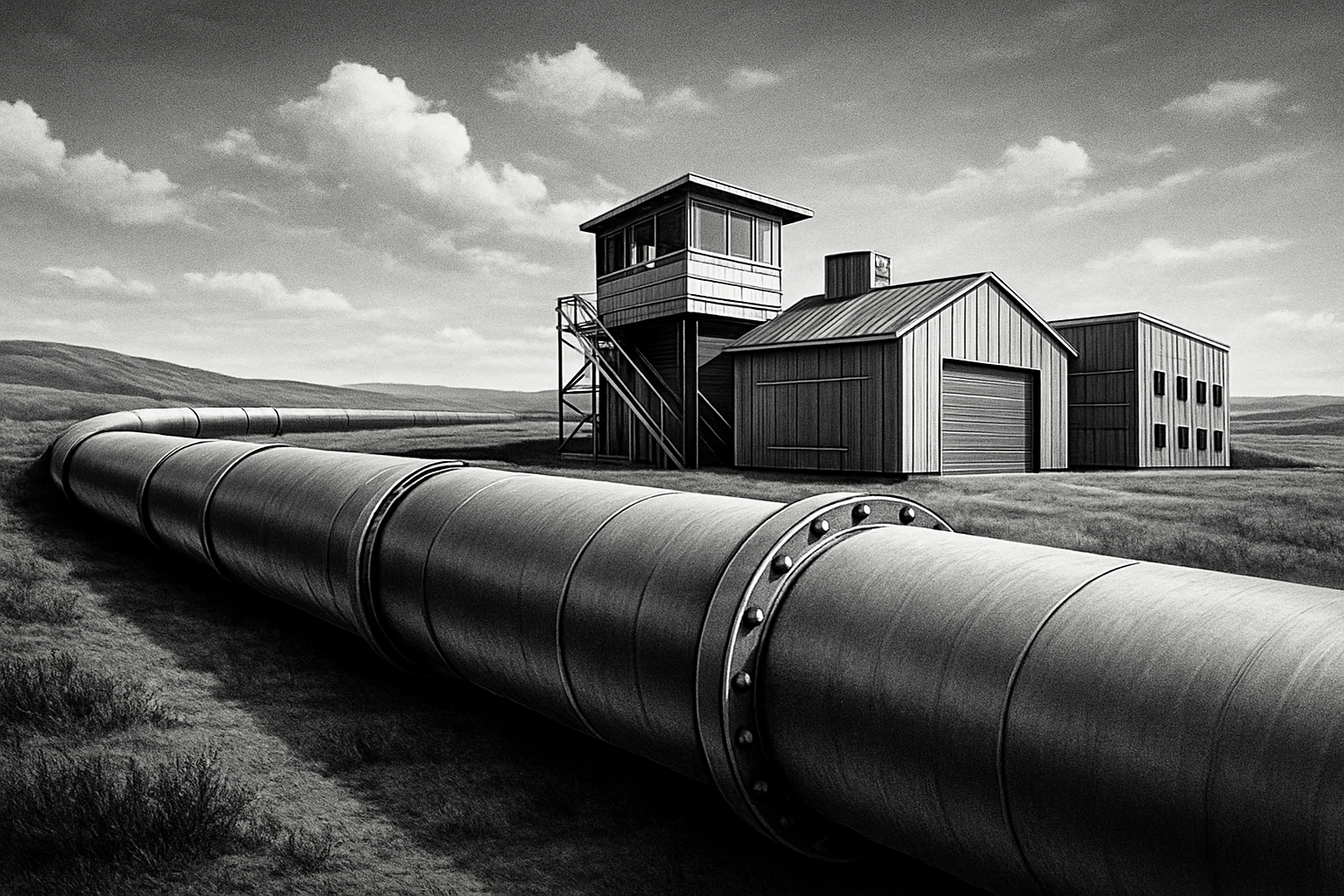
A “major announcement” is expected from the Premier’s office regarding the province’s submission to the federal major projects office. While the specificity of the news is yet to unfold, any large-scale infrastructural development like a pipeline brings with it an extended cascading impact on different industries, including construction.
There’s a potential for an increase in demand for structures such as refineries, control centres, storage facilities, and employee accommodation, which must all be built in response to this pipeline. One plausible solution that promises speed, cost-effectiveness, and sustainability? Enter steel structures.
Why are Steel Structures a Potential Game-changer?
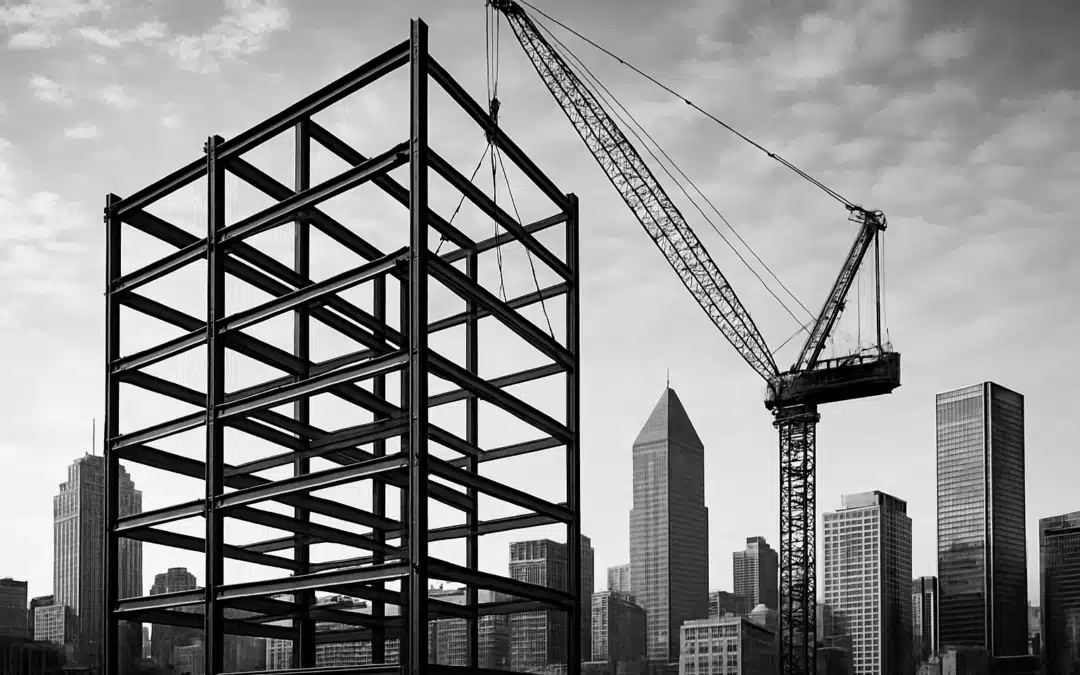
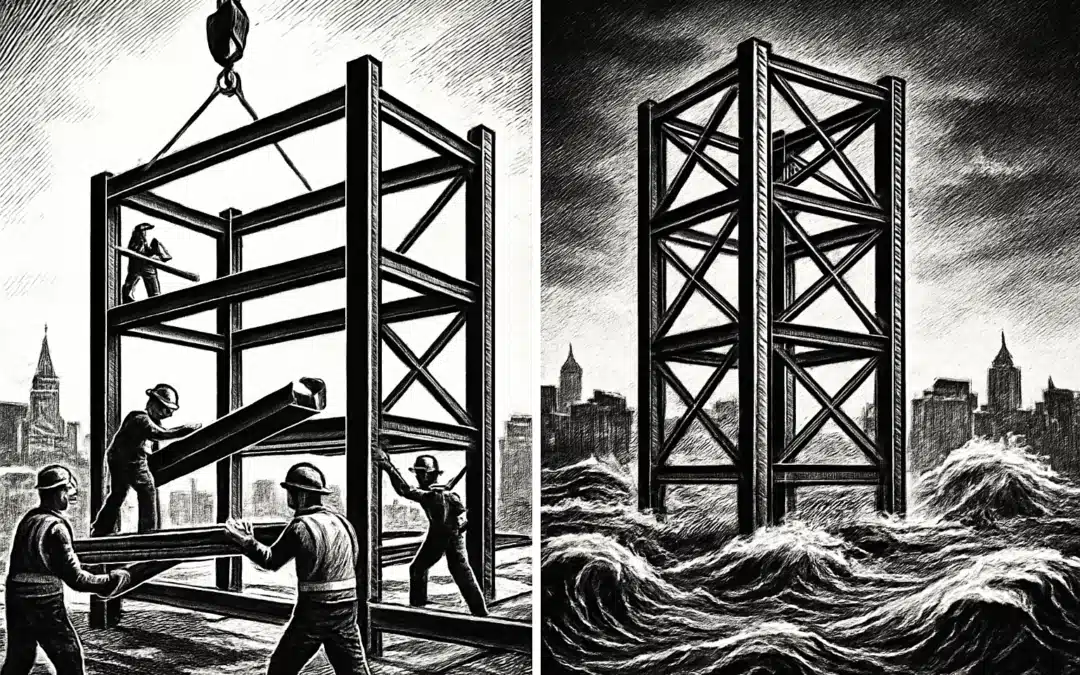
Think of building with steel as working with a set of industrial-grade Lego. It’s versatile, quick to assemble, and the end product is durable and long-lasting.
How Can Steel Structures Enhance Cost-efficiency and Speed of Assembly?
Just as a well-coordinated orchestra produces harmonious music, a well-executed construction project is all about streamlining processes and avoiding unnecessary costs. Steel structures, with their pre-engineered components, cut down on time taken in assembly, thereby directly reducing labour costs.
For example, consider building a 40x60x16 ft steel building. Traditional construction methods might be time-consuming and riddled with potential delays. Conversely, a steel building, with components engineered to fit together seamlessly, may be erected in a fraction of the time, saving both time and money.
What About the Sustainability Factor?
While cost and time efficiency warrant consideration, a powerful motivator to choose steel structures is their environmental impact. Steel is recyclable, reduces construction waste and, given its durability, minimises the need for eventual replacement. If Alberta’s “major announcement” leads to a spike in construction, embracing steel structures might serve a broader sustainability agenda.
For instance, building a barndominium in Canada, British Columbia, using steel, aligns with becoming more conservation-conscious and eco-friendly.
Is This The Future Of Construction In British Columbia?
Projecting the potential scale of change in the construction industry across other provinces like British Columbia, the domino effect of Alberta’s pipeline could be colossal. We’re looking at a rise in demand for construction in the oil and gas sector, but also a potential renaissance for British Columbia steel buildings in other sectors.
From residential homes to commercial buildings, the possibilities are nearly limitless. This shift could significantly reduce the time and cost of construction projects, pushing the industry towards a more sustainable future.
Is Your Building Team Ready?
The implications of this upcoming announcement might well mean a revision of construction strategies, particularly in the exploration of steel structures. By harnessing the benefits of steel, building firms could stand at the forefront of a construction revolution that not only streamlines projects but also actively contributes to environmental sustainability.
Source: Read original article here.
Here’s a Pro Tip for Developers: Consider tuning your strategies to explore the potential of steel structures – be it steel home kits, storage facilities or barndominiums. With cost-efficiency, expedited assembly, and sustainability on tap, this could be your ace in the hole.
That leaves one question: How are you adapting your building strategies this year? We’d love to hear from our readers! Share your thoughts and plans in the comments section below.