Increasing Commoditization Calls for Enhanced Construction Efficiency: The Burrard Inlet Dredging Dilemma
Imagine British Columbia, a region known to zip-zap through the highs and lows of the real estate roller-coaster over the past decade. Could the recent clash over the planned Burrard Inlet dredging and the consequent trade implications initiate unforeseen ripples in steel construction — a known game-changer for cost-efficiency, speed of assembly, and sustainability?
What does the Burrard Inlet dredging controversy entail?
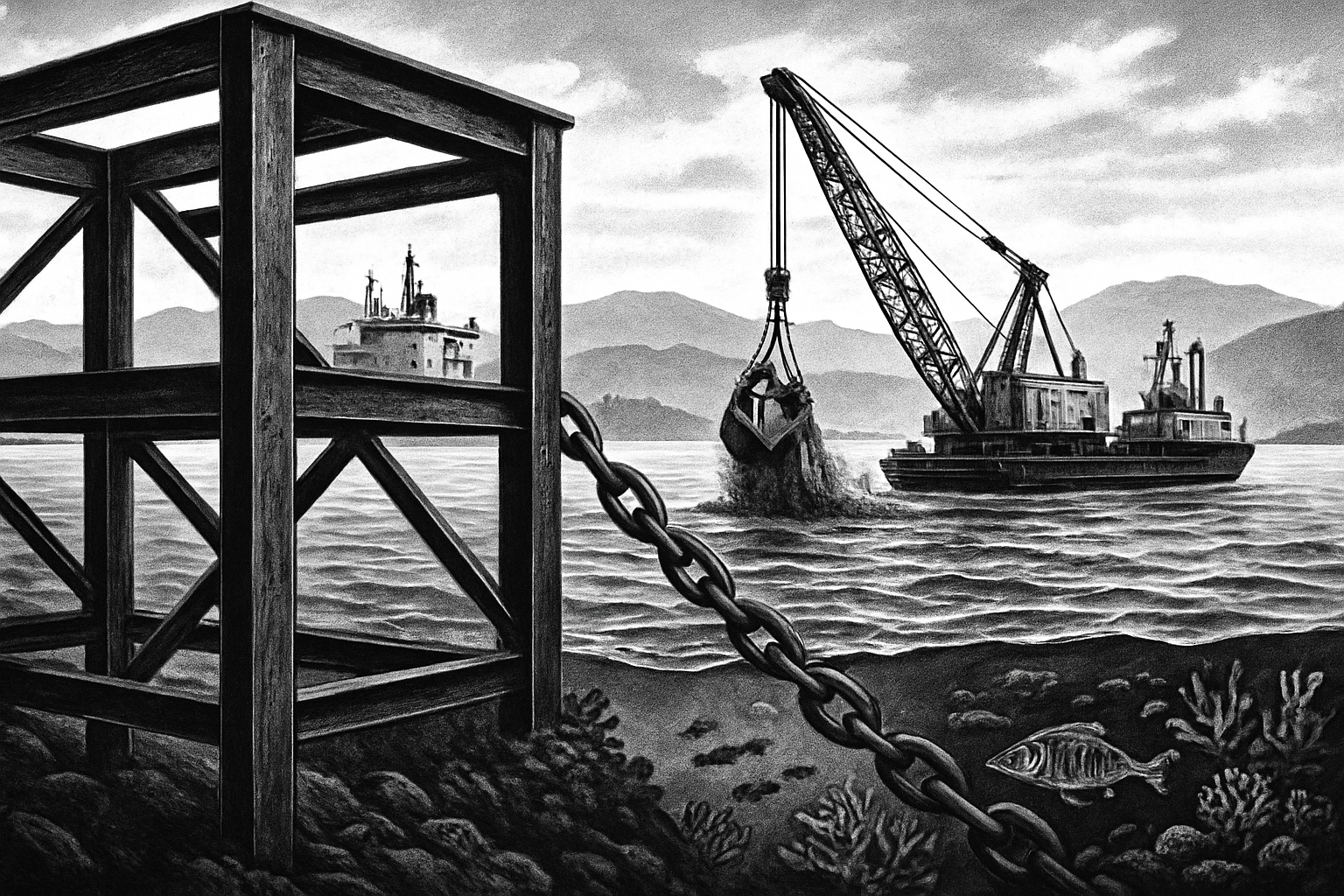
The latest twist in the tale represents a potential stalemate between the Tsleil-Waututh Nation and proponents of an ambitious dredging plan. Beginning September, the plan aimed to widen the northern and southern edges of the navigation channel in Vancouver’s Burrard Inlet, allowing for the passage of larger oil tankers. Following concerns of damaging the fragile marine ecosystem, the Tsleil-Waututh Nation is now in court, seeking to overturn the permits.
How does this conflict impact the Canadian steel construction industry?
At a glance, the crackdown on the dredging plan seems distanced from construction; however, consider that large tankers equal larger volumes of commodity imports and exports. An interruption in the proposed plan could consequently implicate supply chains, and by extension, construction costs. Among these commodities, steel, an indispensable component for modern construction, is of unquestionable importance.
Why does this shift the spotlight onto steel structures?
Consider steel as the industrial-grade Lego of modern construction – reusable, quick to assemble, and contributing significantly to waste reduction. In an era where delays imply money lost, the speed of assembly offered by steel structures is a profound boon. The steel industry’s strides in recycling further its sustainability credentials, making it an attractive choice over traditional construction materials.
However, the potential supply-chain disruption spurs uncertainty concerning steel availability and pricing — vital factors when considering British Columbia steel buildings. The prospect of costlier steel presents developers with a pressing need for innovative solutions that balance cost efficiency, assembly speed, and sustainability.
How might the construction industry adapt?
Diversification seems to be the key towards resilience in the current landscape. In this scenario, steel structures made from locally sourced recycled steel might offer an economical, sustainable, and efficient solution. Furthermore, in an effort to boost cost management, developers could focus on pre-engineered steel buildings. This approach uses a computer program to develop a building’s structural design, optimizing steel usage and minimizing waste.
Embracing Technological Innovation
Industry 4.0, marked by cyber-physical systems and the Internet of Things, offers exceptional potential for optimizing resource management and operational efficiency. Imagine integrated technologies that could coordinate supply chain processes, forecast steel requirements, and reduce wastage. Industrial advances, if implemented prudently, could cushion the blow of any supply chain disruptions and ensure the competitive edge of the steel construction industry.
Throughout this ongoing complexity, one thing is evident: resilience and adaptability will be the mainstays facilitating the evolution of the Canadian construction industry. It’s not about weathering the storm, but about learning to dance in the rain.
Pro Tip for Developers:
In the shifting sands of current market uncertainties, keep a proactive eye on innovations. Embrace efficient designs, locally sourced materials, and technological advancements to stay competitive.
Would you like to share your perspectives? What are your strategies for building resilience amidst these challenges? We invite you to join the conversation and share your insights on adapting building strategies this year.
Source: Read original article here