Small Homes, Big Changes: What Steel Structures Could Mean for Canadian Construction
Ever been caught in the never-ending spiral of real estate prices? Imagine if there were an unexpected solution, arising in Kemptville, Ontario—tiny homes for seniors. But what’s more, can the construction of these homes guide us to cost-efficient, rapidly assembled, and sustainable housing nationwide?
What are the Cost-Efficiency Implications of Steel Structures?
Delving into the details of the Shalom Small Homes project, the advantages of adopting steel structures for such initiatives become clear. Compared to traditional methods, there are several aspects of steel construction that contribute to its high cost-efficiency.
Firstly, steel’s lifespan is considerably longer than that of wood or concrete, leading to reduced maintenance costs over time. Structurally, steel has an unparalleled strength-to-weight ratio—a factor that directly influences the overall durability and longevity of a building. In the long term, these robust properties result in lower replacement and insurance costs.
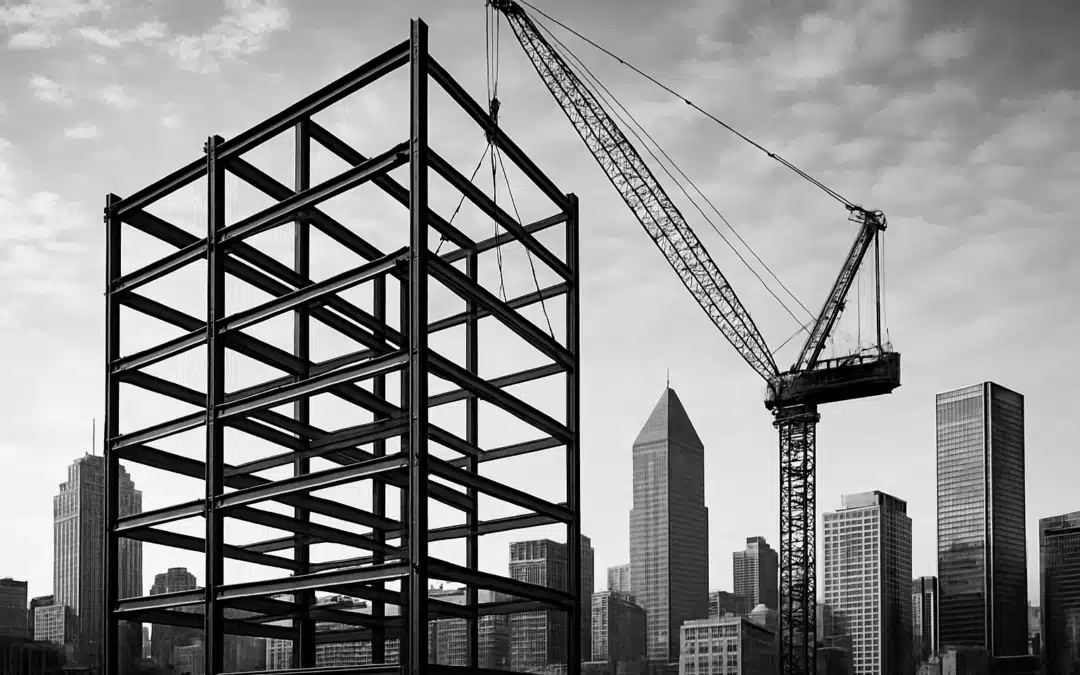
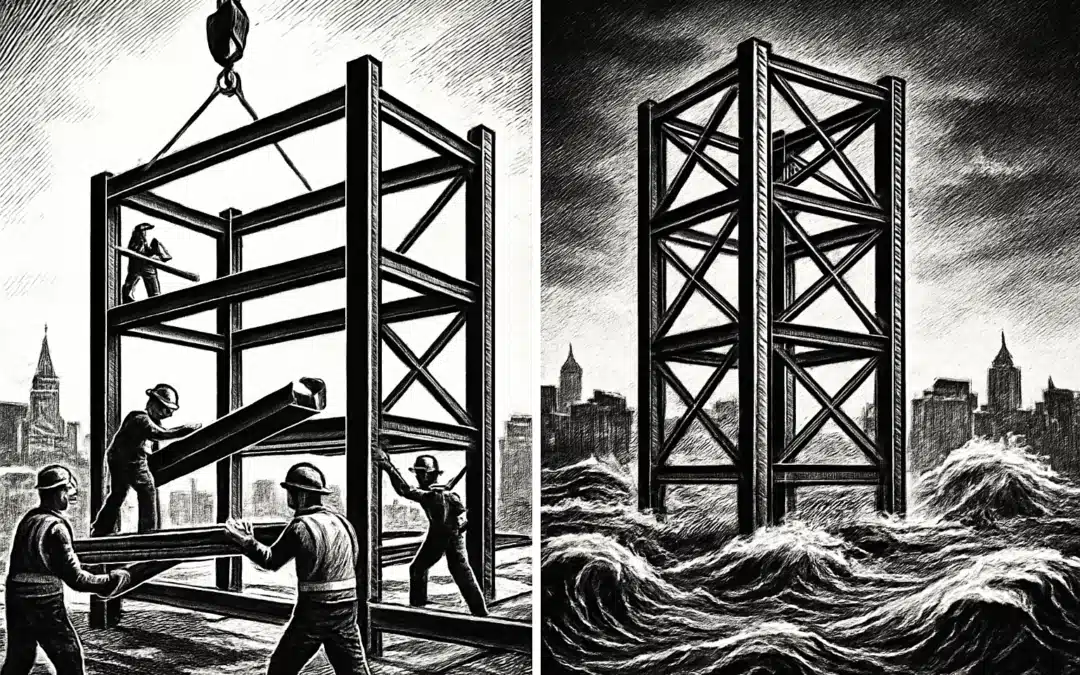
Moreover, steel structures can be built offsite, decreasing both labour costs and construction time. Prefabricated steel buildings allow for swift assembly onsite, approaching building construction more akin to a complex, industrial-grade Lego set.
Can Steel Structures Enhance Speed of Assembly?
Indeed, they can. Steel structures are often delivered as ready-to-assemble kits, a boon for projects seeking to house the elderly or low-income individuals swiftly. In areas that struggle with limited availability or high cost of housing, this can considerably reduce the time taken to provide an affordable, yet high-quality, living environment.
For instance, the 50x40x14 ft Steel Building Kit offered by Your Building Team is a prime example of a ready-to-assemble product offering quick assembly without compromising on structural integrity.
Is Sustainability a Core of Steel Structure?
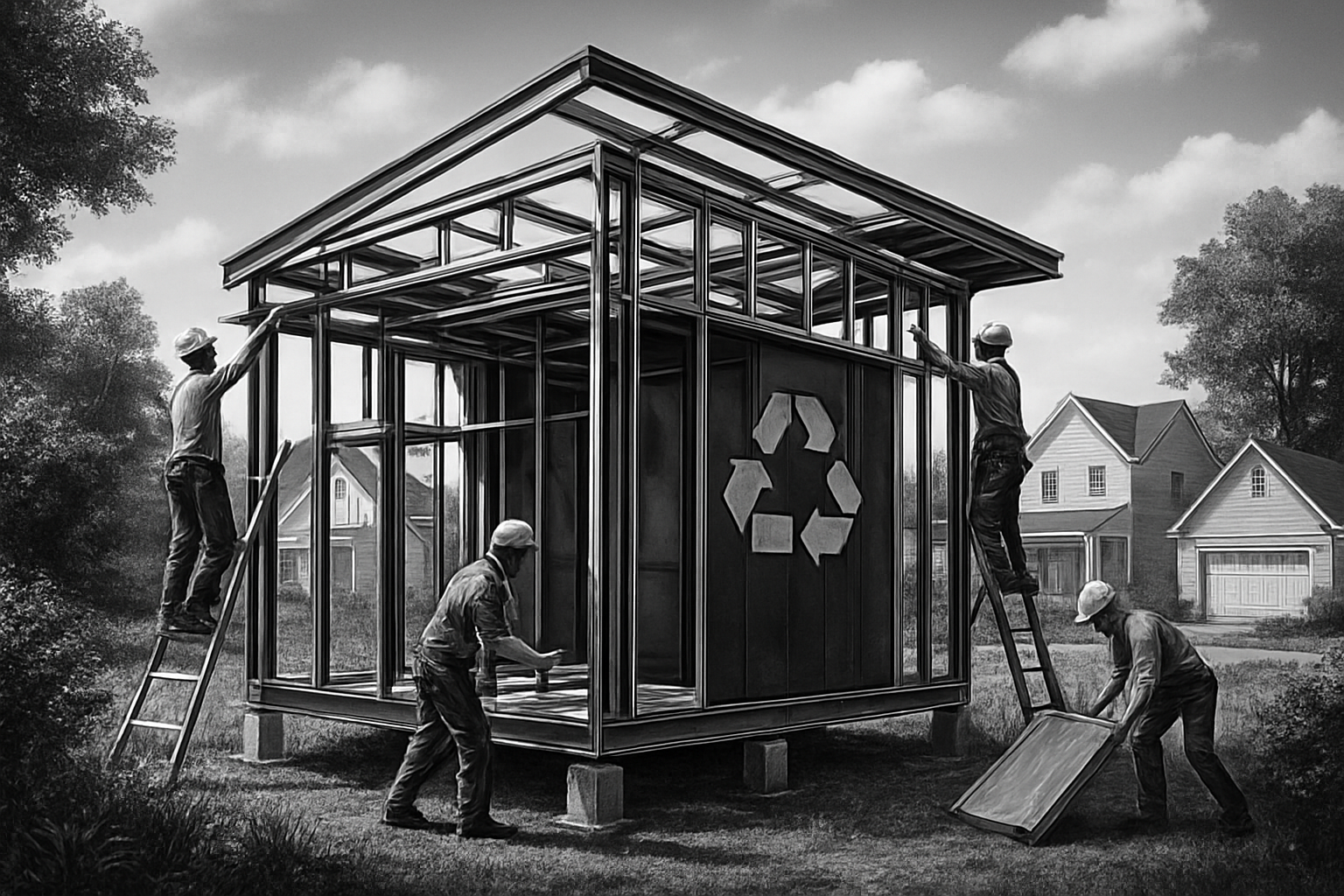
Absolutely. Steel is inherently a sustainable construction material, primarily because it’s recyclable without losing its quality. This circular economy principle allows for the same material to be used, reused, and recycled indefinitely, reducing the carbon footprint of construction projects.
Local Builds & Broader Market Impact
The shift towards steel construction, specifically in tiny homes, like in Orangeville, Ontario has the potential to provide better living conditions for low-income groups.
Looking at this trend through a broader lens, Ontario’s construction sector, and by extension, the Canadian market, could experience a transformative shift in the coming years.
Buildings constructed with prefab steel can quickly scale from modest dwellings to larger facilities. As an example, industry leaders like Your Building Team in Ontario, are showing how steel structures encompass an expansive variety of buildings, offering financial, timeline, and sustainability advantages.
This change is more than a mere industry trend. It’s an entire paradigm shift that’s poised to redefine the future of not just housing for low-income seniors, but the whole Canadian real estate market.
Source: Read original article here and steel buildings
Pro Tip for Developers: Consider steel. Its durability, cost-efficiency, and sustainability can create attractive housing solutions for various communities and it’s time for steel to be granted its rightful place in the Canadian construction industry.
As we are witnessing a transformative shift in constructing buildings nationwide, we invite you—developers, architects, policymakers, and readers—to share your experiences and insights. How are you adapting your building strategies this year? Let’s delve into this industry game-changer together, right here in the comments section.