A Silver Lining for the Canadian Construction Industry: Can Reduced Development Charges Unlock Steel’s Potential?
Picture this—an Ontario real estate market bustling with new home constructions, a steep decline in development fees, and an efficient, sustainable building material stepping into the limelight. Sounds like utopia, right? Well, it may no longer be an abstract concept for Ottawa.
What’s in the Offing with the Recent Policy Shift?
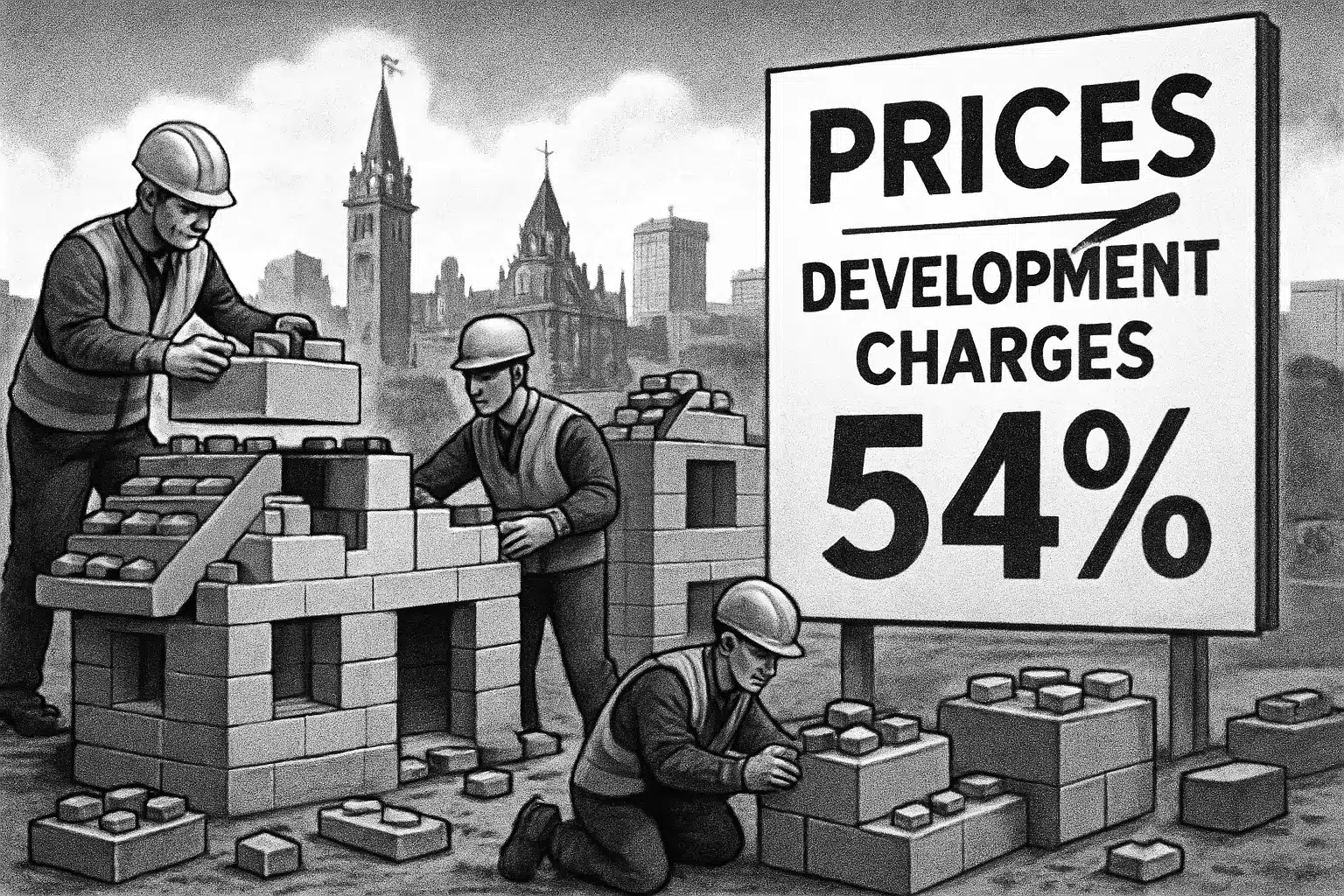
The City of Ottawa, in an unprecedented move, proposes to slice a whopping 54% off development charges as part of its bidding strategy for nearly $500 million in federal and provincial infrastructure funds. This reduction could translate to savings as high as $33,787 on new homes, smashing previous cost barriers. This policy pivot could shake up the construction industry, but there’s more to the story than quantum savings. It’s about unlocking new arenas of possibilities—enter the world of steel structures.
Why Could Steel Structures Become a Game Changer?
Synonymous with speed, sustainability, and cost-efficiency, steel construction has been making steady strides for a while. Cutting down development charges could be the tipping point that propels steel to prominence in the Ontario building landscape, similar to the shift witnessed in Canadian farming sectors. Steel’s credentials run deeper than speedy assembly or weather-facing durability. Comprehending this calls for peeling back the façade, or rather, the steel cladding, to truly understand its potential.
How Do Steel Structures Promote Cost-Efficiency and Speed of Assembly?
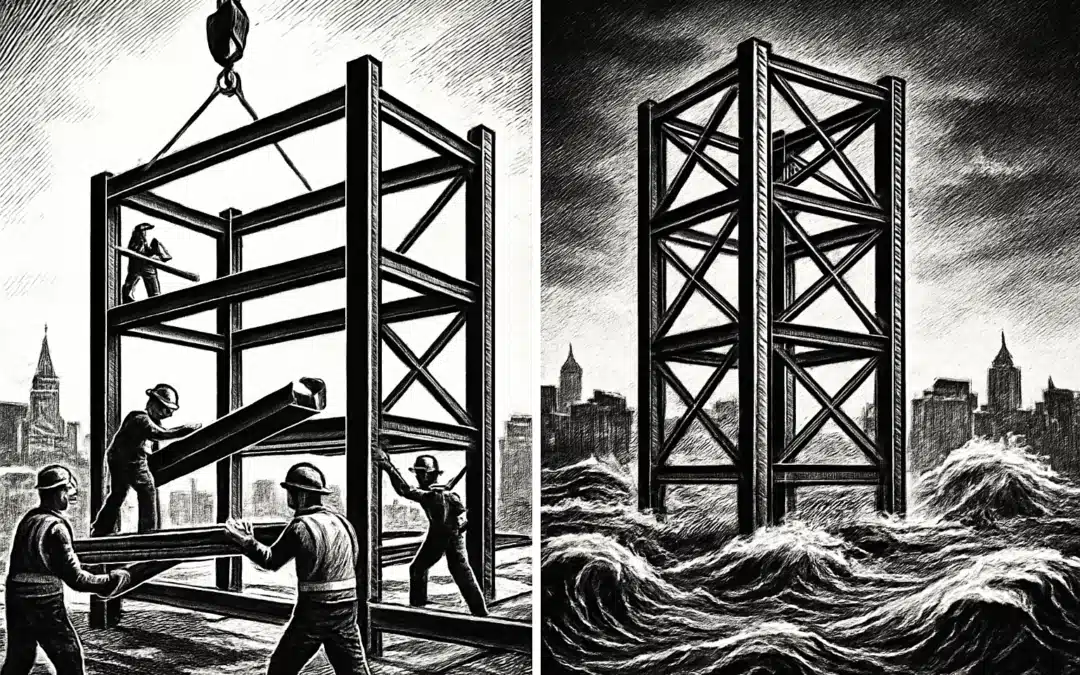
Imagine building a property like assembling industrial-grade Lego. That’s what working with steel is like—modules, beams, and columns flawlessly interlocking to shape the blueprint in record time. And that’s not all. This agile assembly isn’t just swift, but it reflects sound economics too.
Steel building kits come with pre-engineered parts, spelling fewer workers, less time, and leaner budgets. It’s like having a flat-pack IKEA model for buildings – efficient and affordable. Reduced development charges magnify these cost benefits, making steel structures an increasingly attractive option for developers.
Are Steel Structures a Viable Answer to Sustainable Construction?
As the world grapples with climate change, the importance of sustainable construction is only escalating. And this is where steel structures outshine traditional construction materials.
A long-life cycle, coupled with an easy-to-recycle nature, gives steel impressive green credentials. Repurposing old steel for new structures, we’re looking at an almost closed-loop system. Take a look at this farm equipment shed structure in Collingwood. It illustrates the increasingly popular choice of steel in sustainable provincial projects.
What’s Next in Steel Construction and Development Policy?
Analyzing the converging trends of lowered development fees and increased adoption of steel structures, it is reasonable to anticipate a surge in the use of steel in residential projects, similar to its industrial sector uptake. Discovering more about the Ontario steel buildings landscape could offer insight into this predicted evolution.
This policy renewal is a gamechanger, promising a future where steel structures are not solely reserved for industries and commercial spaces. Developers can now turn to this resilient, sustainable, and affordable material without hemorrhaging funds on soaring development charges.
Source: Read original article here and steel buildings
Pro Tip for Developers
As the construction landscape shifts, efficiency and adaptability are paramount. Steel construction offers both, in addition to sustainability, speed, and cost-saving benefits. With reduced development charges, the Ontario market is ripe for exploration of this building material.
Join the conversation and share your thoughts. How are you adapting your building strategies this year? What are your predictions for the impact of these changes on the Canadian construction industry? Leave your comments below—we’re all ears.