The Steel Revolution: How Will Canada’s Construction Industry Adapt?
Just as popular snail-mail startups are tapping into people’s longing for more tactile communication, the Canadian construction industry is experiencing a significant shift towards the physical and tangible – specifically, steel. Is this coarse new kid on the block about to reshape the BC real estate game?
Understanding the Steel Surge in Construction
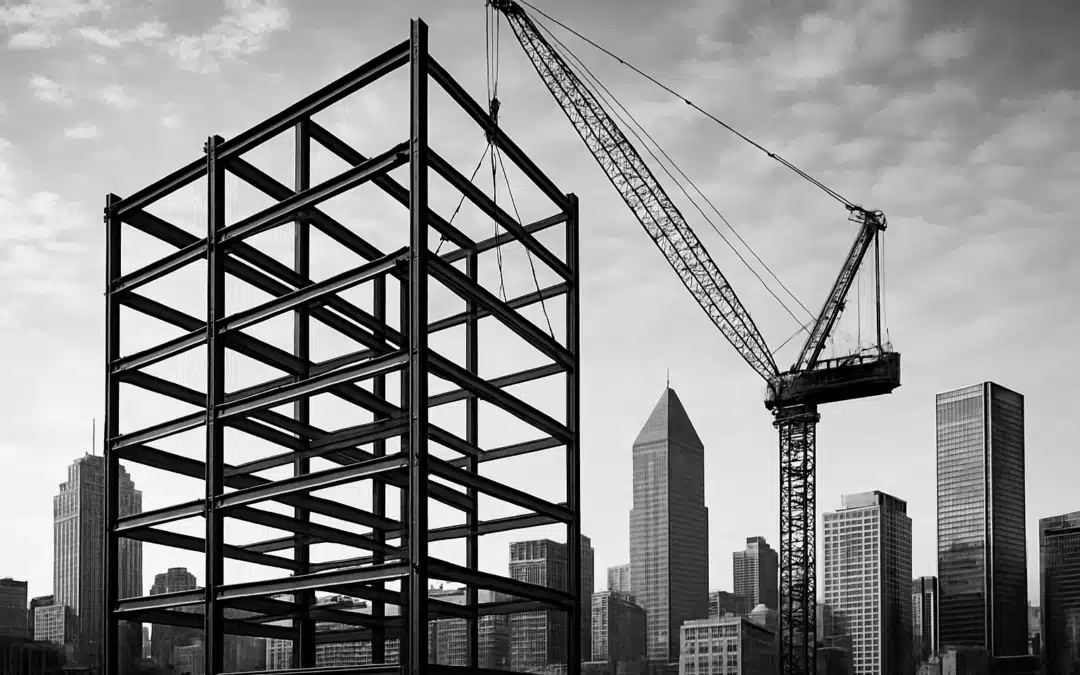
Stepping into the world of construction today, one may be struck by the amount of steel being used in projects. A trend arising from the need for durability, the use of steel in construction is akin to upgrading digital communication to a series of detailed, handwritten letters – tangible, reliable, and enduring.
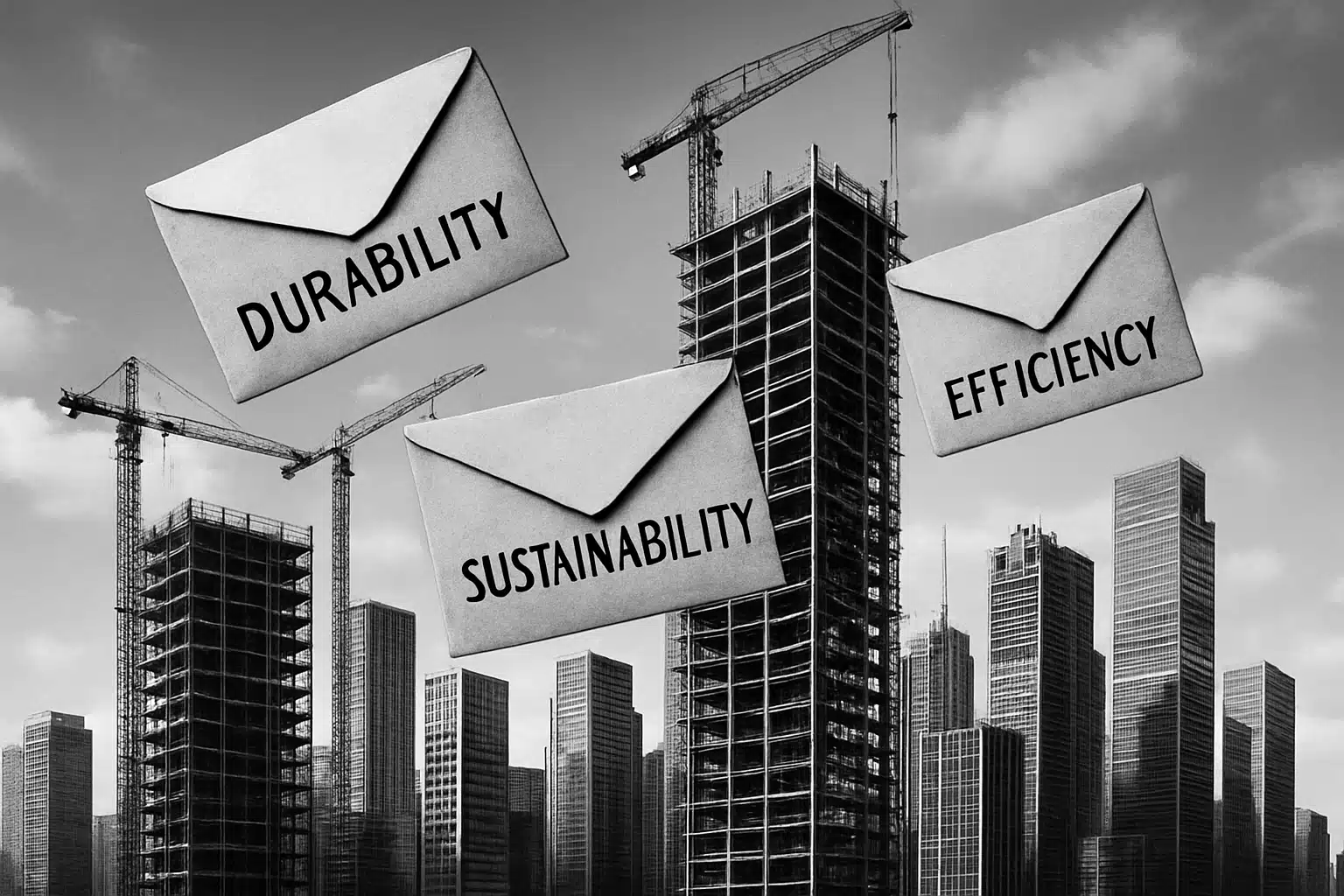
This trend is not merely a contemporary fad but a practical shift towards sustainability and productivity. Steel construction brings speed of assembly, cost-efficiency, and sustainability to the table. The implementation of steel structures, much like the snail-mail subscription phenomenon, reconciles technology’s speed and efficiency with the need for durable, tactile solutions.
Why are Steel Structures Cost-Efficient?
Let’s dive into the cost-efficiency of steel structures. Fabricating steel at an industrial scale costs less than producing other construction materials such as wood or concrete. Further, the high strength-to-weight ratio of steel significantly reduces the transportation and handling costs.
Think of steel as bulk-buying a premium stationary for our snail-mail writers – the more you buy, the cheaper it becomes, and the durable quality ensures it lasts longer. Furthermore, steel buildings demand less maintenance cost, providing financial relief in the long run.
Recently, a steel building project in Whitby, Ontario, demonstrated noticeable cost reductions compared to similar projects using traditional materials.
How Does Steel Improve Speed of Assembly?
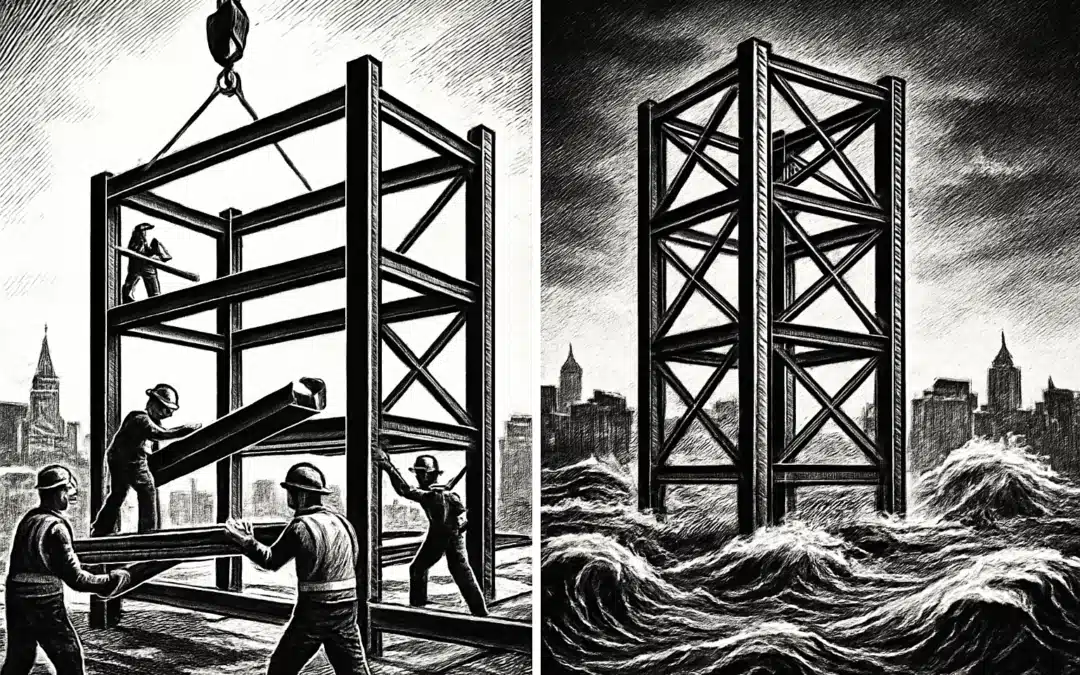
The speed of assembly that steel offers is impressive. Pre-fabricated steel components are like pieces of a jigsaw puzzle, ready to be swiftly and precisely put together on-site, saving time and labour costs. This speed is particularly beneficial for businesses that want quickly erected structures to begin operations.
For instance, consider the variety of steel buildings across Ontario. They stand as a testament to the swift construction speed this material affords, proving steel’s mettle in terms of efficiency.
Is Steel Construction Sustainable?
Sustainability is no longer an option but a necessity in today’s construction landscape. As durable as an antique quill pen in a world of disposable ballpoints, steel is a sustainable choice for construction.
Steel structures are often made from recycled steel and are almost 100% recyclable themselves. Additionally, their durability and longevity make for less frequent replacement and repairs—thus leaving a smaller carbon footprint.
Our own range of steel building kits are an excellent example of such sustainable building solutions in action, providing a blueprint for a greener construction industry.
Is This the Future of the Canadian Construction Industry?
Considering the tangible benefits that steel construction brings to the table, this seems to be the future of the Canadian construction industry. Much as people are now seeking tangible connections through physical letters, the construction industry is embracing the solid reliability of steel.
Furthermore, the increasingly stringent environmental regulations and a greater focus on eco-friendly practices mean the construction industry is likely to continue this embrace of more sustainable construction methods, notably steel.
Source: Read original article here. And steel buildings.
To conclude, a Pro Tip for Developers: As the acceleration of changes in the industry quickens, adaptability will become a valued trait. Embrace the steel revolution and future-proof your projects.
Feel free to comment your thoughts and how you are adapting your building strategies this year. We’d love to hear from you!