The Steel Transition: Is It Time to Rethink Construction in Iconic Canadian Cities?
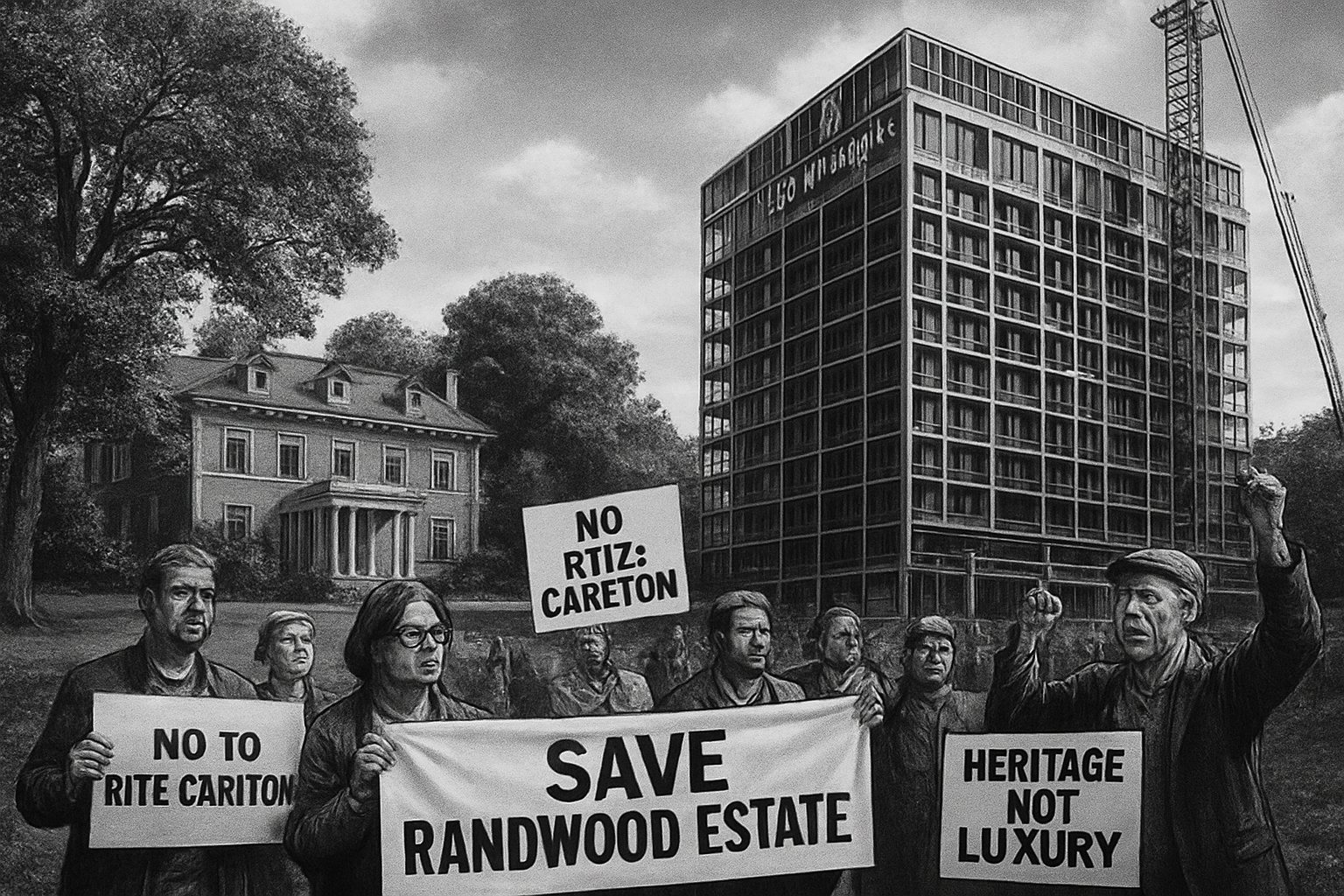
Imagine a world where the BC real estate market outperforms every forecast. Picture the once quiet town of Niagara-on-the-Lake, Ont., growing into a hub of luxury and development. That’s precisely the future prominent developer Benny Marotta envisions for the historic Randwood Estate. However, as we’ve seen over the past eight years, this ambitions path isn’t without resistance, especially when there’s a clash between heritage, community sentiment and modern construction dynamics.
What’s at the Heart of the Randwood Estate Dispute?
For over eight years, a residents’ group has fervently opposed Marotta and his company, Solmar Development Corp’s, ambitious plans. They aim to transform the historic Randwood Estate into a Ritz-Carlton-branded luxury hotel and residence – a significant departure from the area’s quiet, antiquated charm.
Questions over the higher density and subsequent impact on local infrastructure plague this discussion. However, the crux lies in whether this evolution is an inevitable part of the growth story of Niagara-on-the-Lake, or an unwarranted disruption of serenity and heritage.
Why Is This Controversy Relevant for the Canadian Construction Industry?
While this remains a local affair for now, the reverberations of such discussions extend far beyond the quaint town’s boundaries. Developers and construction industry stakeholders across Canada are feeling similar pressures as they balance modernity with heritage, economic prospect with social responsibility.
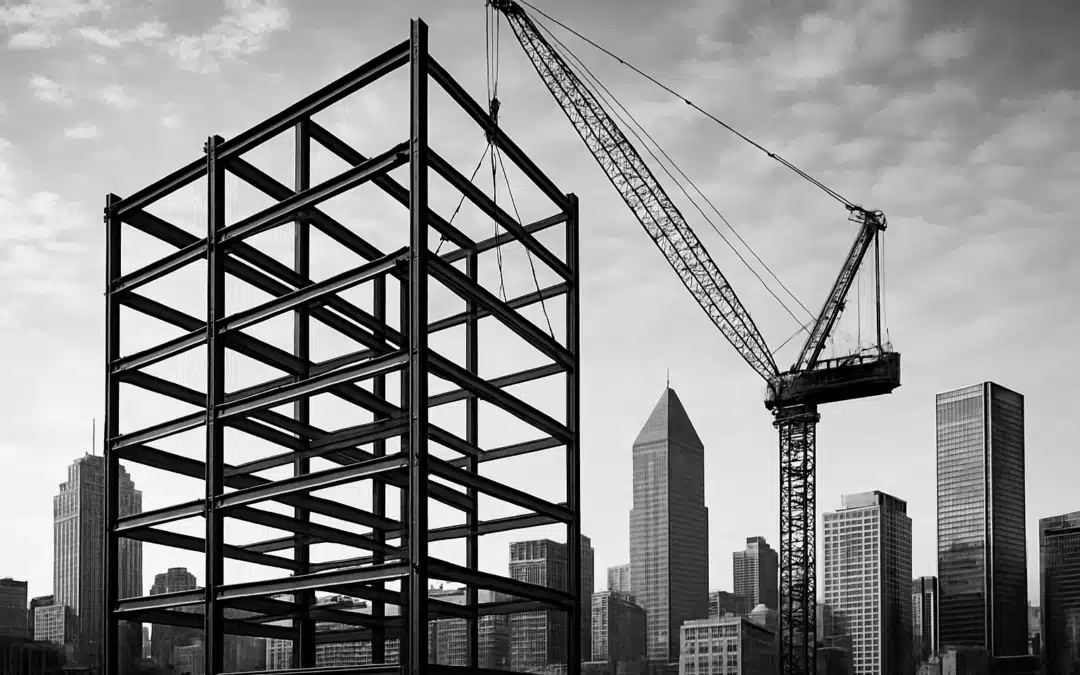
This necessitates a shift in construction trends—a veer towards speed, cost-efficiency, and most importantly, sustainability. That’s where steel construction enters, flaunting potential benefits that could potentially tip the scales in contentious disputes like the one we’re seeing with the Randwood Estate.
Is Steel Construction Really the Game-Changer?
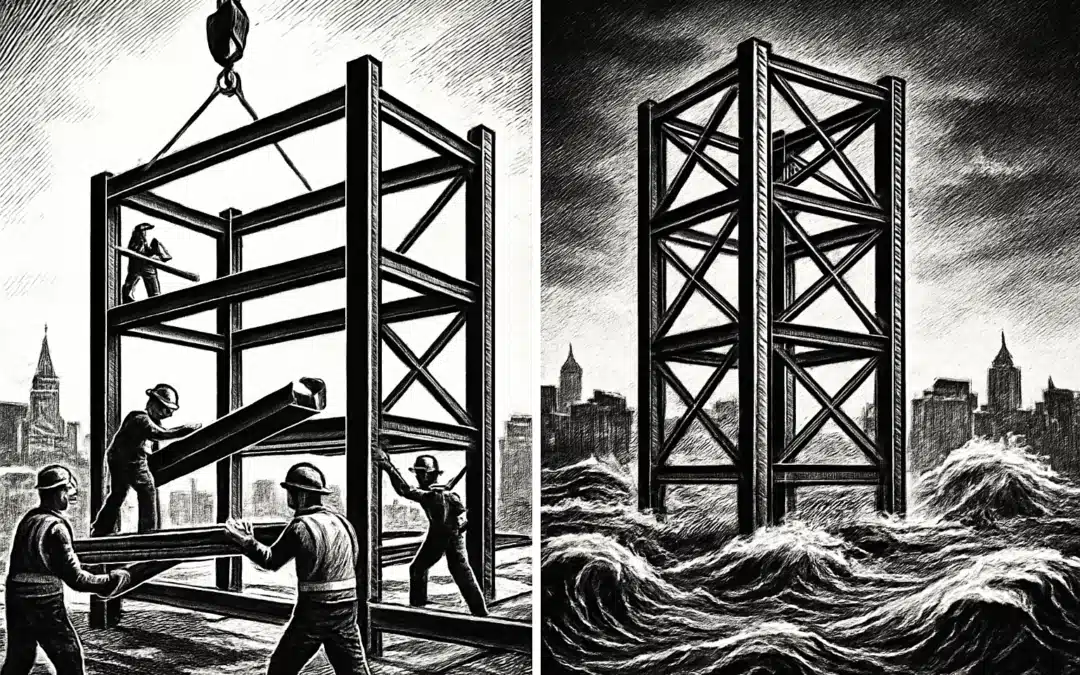
Certainly! Steel construction offers several unique advantages, particularly for large-scale developments. Increased speed of assembly ensures quicker project completion times, beneficial not just economically but also in reducing long-term inconveniences often associated with construction work in populated areas.
Further, steel’s flexibility and strength support the creation of larger spaces without the need for intrusive support columns—a win for architects and property owners alike. Imagine the Randwood Estate reinstated, but with an interior that mirrors the grandeur of the Ritz-Carlton, and you’ll get a picture of what steel construction can deliver.
The Sustainable Advantage
The landmark feature, however, is undoubtedly sustainability. Steel structures efficiently consume resources and significantly cut down on waste. Steel is nearly 100% recyclable, giving constructions a lifespan well beyond their initial build. This makes steel a frontrunner when considering environmentally-friendly construction materials.
Could Regional Solutions Be the Best Way Forward?
Using regional experience and adapting solutions to local demands may well be the golden mean here. For instance, Ontario has seen a surge in steel constructions, given the growth in its industrial sectors. Thesesteel buildings in Ontario serve as excellent examples for other provinces contemplating the shift.
Taking it a step further, let’s consider small-sized constructions. A compact steel unit such as the 20x20x10 ft building kit offers a solution for those looking for optimal space utilization without disrupting the local landscape.
Moreover, for larger buildings that take community integration into consideration, regional success stories like the 20×30 compact Steel Storage Unit in Orillia, Ontario. serves to highlight the possible balance between local sentiment, heritage preservation and modern construction demands.
It’s crucial that local developers, city planners, and residents keep an open mind, study these regional success stories, and consider how steel buildings could harmoniously blend into their own unique landscapes.
So, What’s the Pro Tip for Developers?
Embrace innovation, but respect heritage. Steel constructions provide a unique opportunity for synergy between these two objectives. Cost-effective, quick to erect, and eco-friendly, they carry the potential to address the physical impact issues often present in such disputes.
Explore, learn from regional models, and find the right balance between growth and preservation. And most importantly, engage in dialogue with the people whose lives your work impacts. In the end, developments should serve the community, contributing positively to the living environment and respecting its historical narrative.
Let’s start a conversation: how are you adapting your building strategies this year? We’d love to hear your innovative strategies and challenges—comment below and let’s shape the future landscape together.
Source: Read original article here.