Steel Structures: A Resilient Answer to Canada’s Hospital Inundation?
Does the recent overcrowding crisis in Canadian hospitals signal a silent call to action for the country’s construction industry? Flash back to 2025, and you’ll recall BC’s real estate market was booming with a staggering growth rate of 15.5% in a single year, yet the healthcare infrastructure seemed to lag behind.
Why is the Construction Industry Relevant to Canada’s Healthcare Saga?
Hospital emergency rooms across Canada, like the Foothills Medical Centre in Calgary, are under significant strain, with patients often treated in storage rooms whilst waiting for days for a bed. What is supposed to be a backdrop of comprehensive healthcare has turned into a scene of backlogs, access issues, and patient flow problems caused primarily by an aging population.
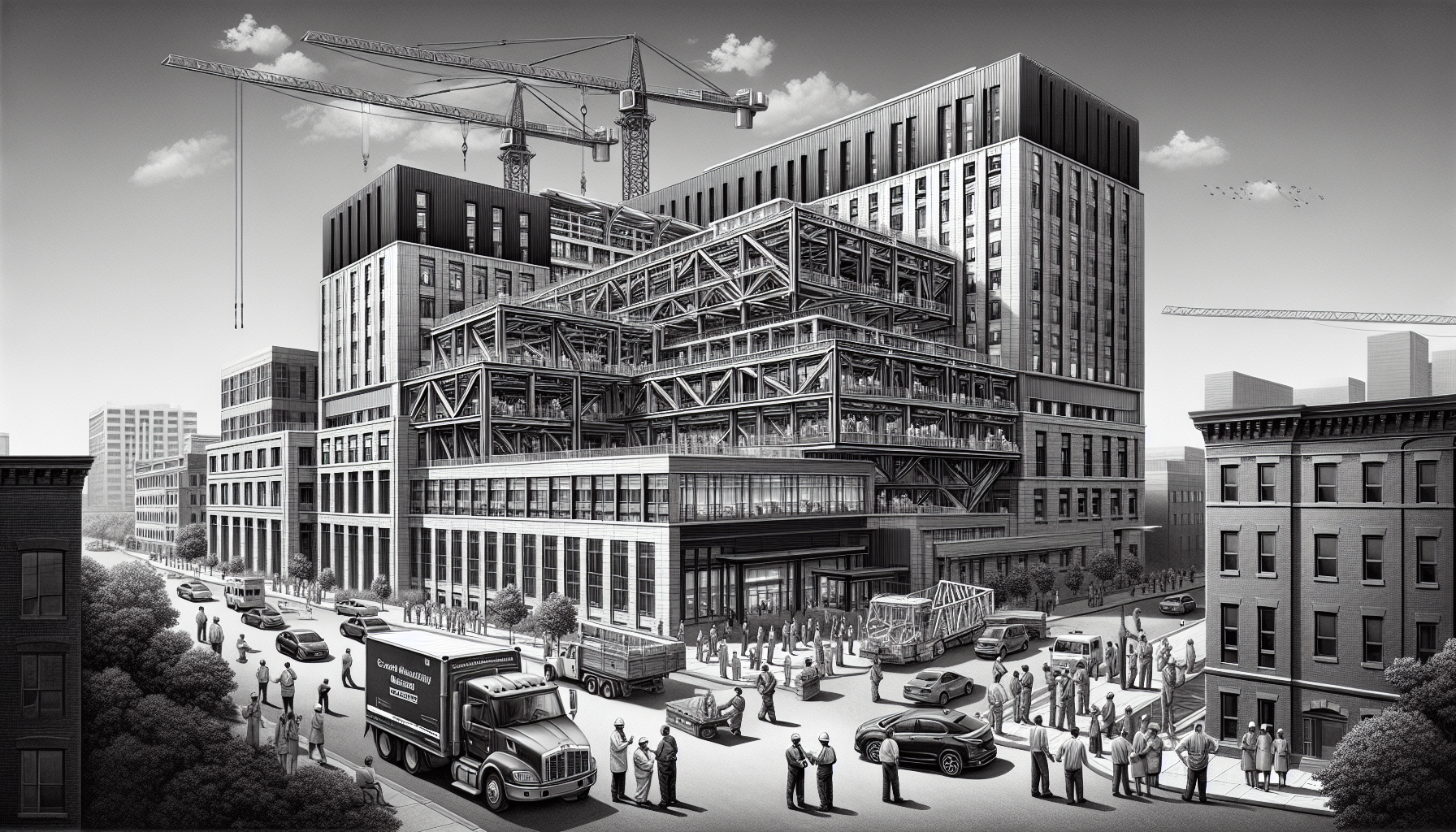
The construction industry has a vital role in remedying such a scenario. By providing innovative solutions such as steel structures, with their notable cost-efficiency, rapid assembly, and environmental sustainability, the industry can directly contribute to easing hospital overcrowding.
What Makes Steel Construction the Optimal Choice?
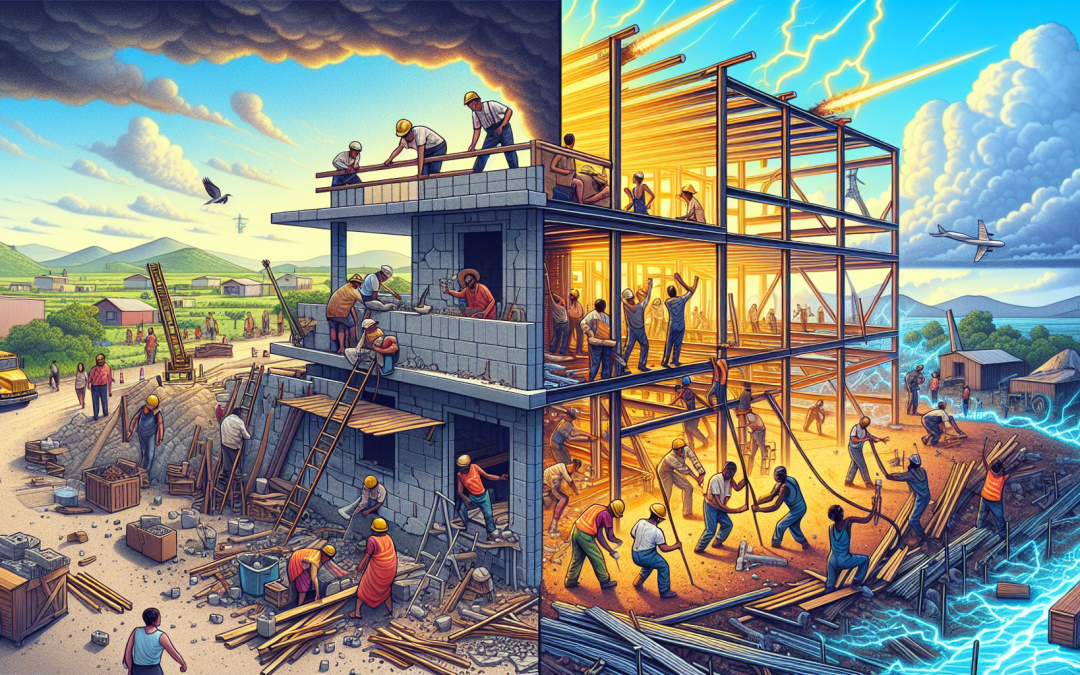
Building with steel is akin to playing with industrial-grade Lego; it’s flexible, scalable, and inordinately sturdy. Unlike traditional construction methods, steel buildings offer swift erection times, crucial in emergency scenarios like the current healthcare crisis. Lower labor requirements lead to significant cost-savings, an advantage that cannot be understated in the face of mounting healthcare costs.
Additionally, the longevity and durability of steel structures minimize maintenance demands, allowing hospital staff to focus on patient care rather than facility maintenance. From a long-term perspective, this translates into consistent healthcare delivery, unaffected by the odd structural complication.
How Does Steel Construction Align with Environmental Goals?
Noting Canada’s commitment to reduce greenhouse gas emissions by 30% by 2030, it’s pertinent to consider how the construction industry – including the assembly of hospitals – can contribute to such goals. Steel structures stand out for their sustainability advantages, which encompass recyclability and energy efficiency. It’s been reported that nearly 80% of all steel is recycled, highlighting the material’s outstanding environmental credentials.
What Regional Innovations Are We Seeing in Ontario?
Ontario, Canada’s most populous province, is leading the charge in adopting steel construction for its healthcare facilities. Advanced projects such as Modern Clear Span Manufacturing Facility in Milton, ON epitomize the region’s pioneering approach.
In fact, a few of the most innovative steel buildings in Ontario are beginning to redefine healthcare infrastructure, showcasing that rapid, cost-effective solutions are possible while also benefiting the environment.
Advantages of Steel Building Kits
One remarkable influencer in this shift has been the advent of steel building kits. Essentially a “hospital in a box,” these kits provide pre-engineered components that can be efficiently assembled, thereby expediting the construction process and overcoming typical healthcare expansion challenges. The kit model offers adaptability, allowing healthcare administrators to expand as and when needed – a game-changer for handling patient influxes.
Finally, steel building kits integrate sustainability attributes with the benefits of rapid deployment, presenting a powerful solution to the pressures plaguing Canada’s healthcare.
Is Steel Construction the Future of Canadian Healthcare Infrastructure?
Given the enduring advantages of cost-efficiency, build speed, and sustainability, the case for steel structures within healthcare construction is staggeringly apparent. There’s certainly an opportunity here for construction firms to seize, with enduring impacts on Canada’s evolving healthcare rubric.
Pro Tip for Developers: Start considering steel-based solutions as a nimble and robust approach to healthcare construction. Embrace their cost-effective, quick-to-assemble nature and their positive impact on our environment.
Join the discussion below and share your thoughts: How are you adapting your building strategies this year in these dynamic times?
Source: Read original article here.