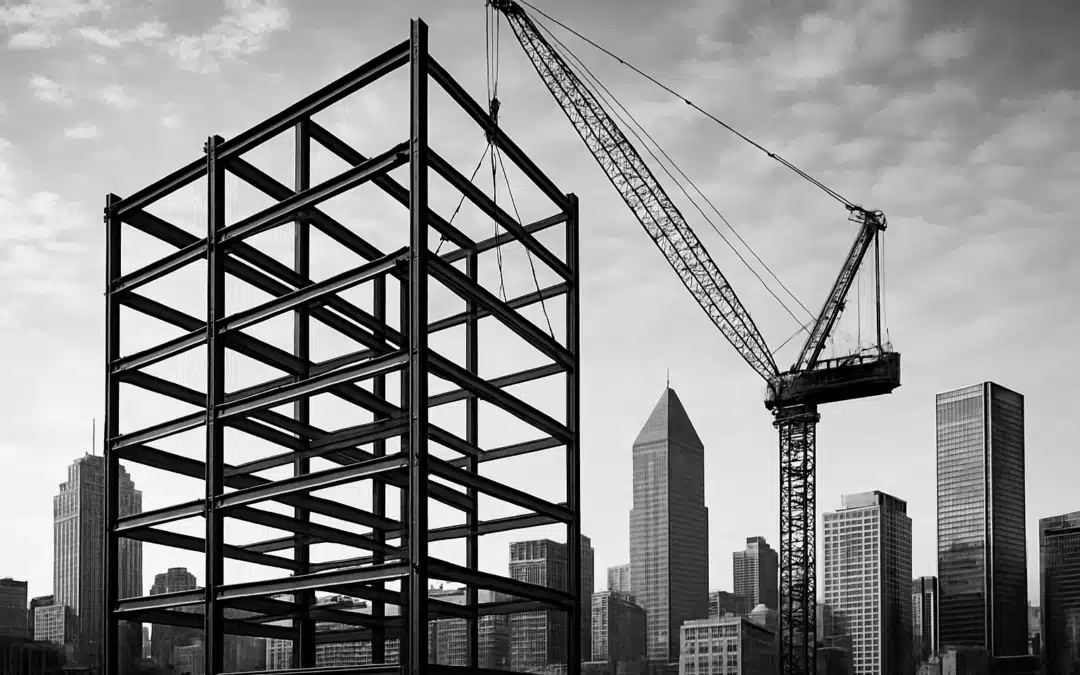
Paving the Future of Construction in Canada: Steel Structures Powering Through Roadblocks
Has the specter of inflation in the BC real estate market got you in a twist? Well, it’s time to straighten out our conversation around streamlining construction costs. Guelph’s urban center is showing us the future, chock full of steel structures, improved efficiency, and genuine sustainability. Not without its fair share of roadblocks, mind you.
Infrastructural Evolutions: Short-term Roadblocks for Long-term Gains?
The city of Guelph is currently deeply embroiled in a large-scale construction project, leading to noticeable transformations in its urban fabric. The immediate impact? Road closures, shifting streetscapes, and re-routed commutes. Some might liken it to remodeling the living room while you’re still in it.
However, beyond these temporary trials lie the budding promise of steel structures weaving their way into the city’s skyline. Effectively, it’s akin to changing from hand-sawing lumber to utilising power tools. A tad bit disruptive initially, but the efficiency and consistency gains are undeniable.
Is Speed of Assembly in Steel Structures the Silver Bullet?
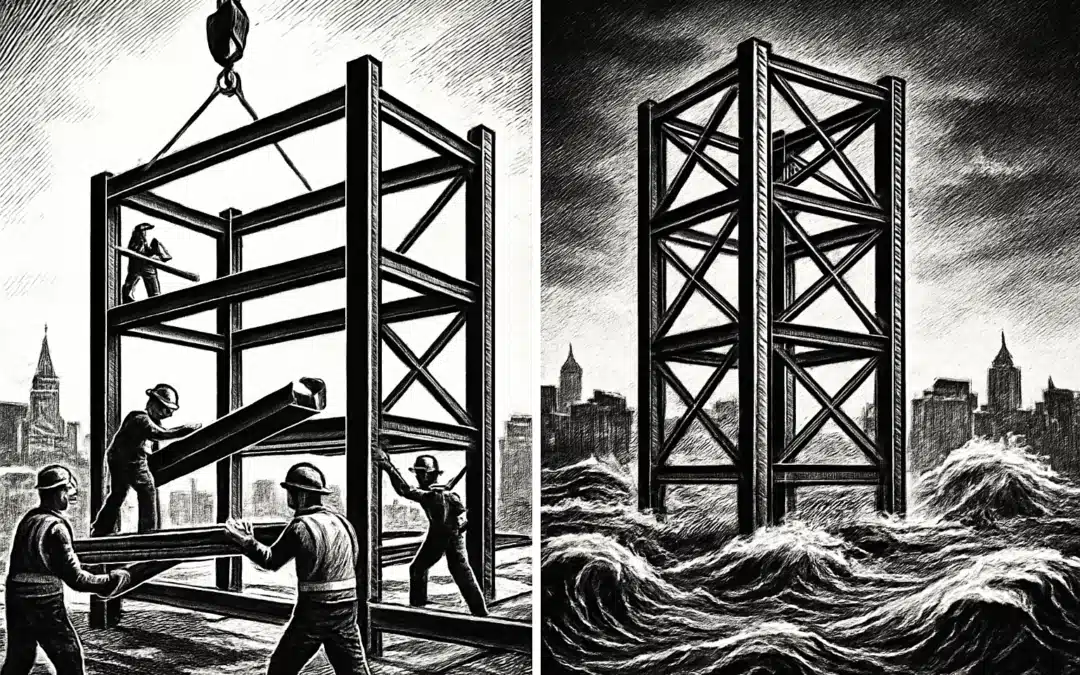
Precisely engineered steel building units, called steel building kits, are fast becoming a cornerstone for the construction industry. Think of them as industrial-strength LEGO blocks—preset, ready to deliver, and easy to assemble. Speed, after all, is king in construction. And steel structures effortlessly wear this crown.
Moreover, they offer high customization options, even on short notice, as was evident in a recent building project in Whitby, Ontario. A comparison would be shopping at a supermarket—everything you need for your project, from the simple to the complex, all available off the shelf.
Can Cost-Efficiency and Sustainability Go Hand in Hand with Steel Structures?
Building with steel is akin to opting for reusable grocery bags instead of plastic ones. Over time, this small investment can save money, benefit the environment, and transform the future. Steel structures are inherently durable, meaning they require lesser repairs and maintenance over time. Additionally, they are highly adaptable and can be disassembled, moved, or modified with ease.
Consider, for example, the sustainability aspect. Steel is 100% recyclable, and recycled steel can fashion new structures without any discernible loss of quality. So, unlike the single-use nature of other construction materials, steel offers a circular economic model, supporting a sustainable future.
How Does the Broader Ontario Scenario Fit into the Picture?
The unfolding story in steel buildings in Ontario showcases a region-wide adoption of this transformative trend. The province is becoming a living laboratory for the potential of steel structures. Unfortunately, occasional hurdles become inevitable when treading uncharted paths.
But let’s not view the current challenges negatively. Given the enormous benefits of steel structures laid out bare, it’s likely other regions may soon follow suit. Remember, no pain, no gain; no steel-clad steps, no industrial progress.
Pro Tip for Developers:
Invest in understanding the ins and outs of steel construction—it’s more than just the material of choice for your next project. It’s concrete steps, pardon the pun, towards a cost-effective, speedy, and ecologically responsible future.
In line with this, we invite you to engage in the conversation. How are you restructuring your building strategies this year? Let’s create a future where steel structures are not the exception, but the norm. Consider this your Call-To-Action and remember to responsibly build forward.
Source: Read original article here.