Stalled Long-Term Care Expansion in Fort St. John: An Opportunity for Steel Constructions in Canada?
Has the ever-evolving face of British Columbia’s real estate market, combined with the advent of inevitable socio-demographic shifts, ever made you wonder about alternative construction models? The situation is certainly ripe in Fort St. John — where seniors anxiously await the delayed expansion of long-term care facilities. Could this be a window of opportunity for the Canadian construction industry, particularly for the adoption of steel structures?
Why the Delay in Expansion?
The situation with delayed long-term care expansion in Fort St. John parallels many challenges faced by Canada’s current real-estate trends. High building and maintenance costs, prolonged construction cycles, and regulatory constraints often lead to stalled building projects, just as we observe in the city right now.
Thus, the underlying situation invokes an important question: Could these perennial challenges be mitigated by opting for innovative, faster, cost-efficient, and sustainable construction methods?
Could Steel Structures be the Solution?
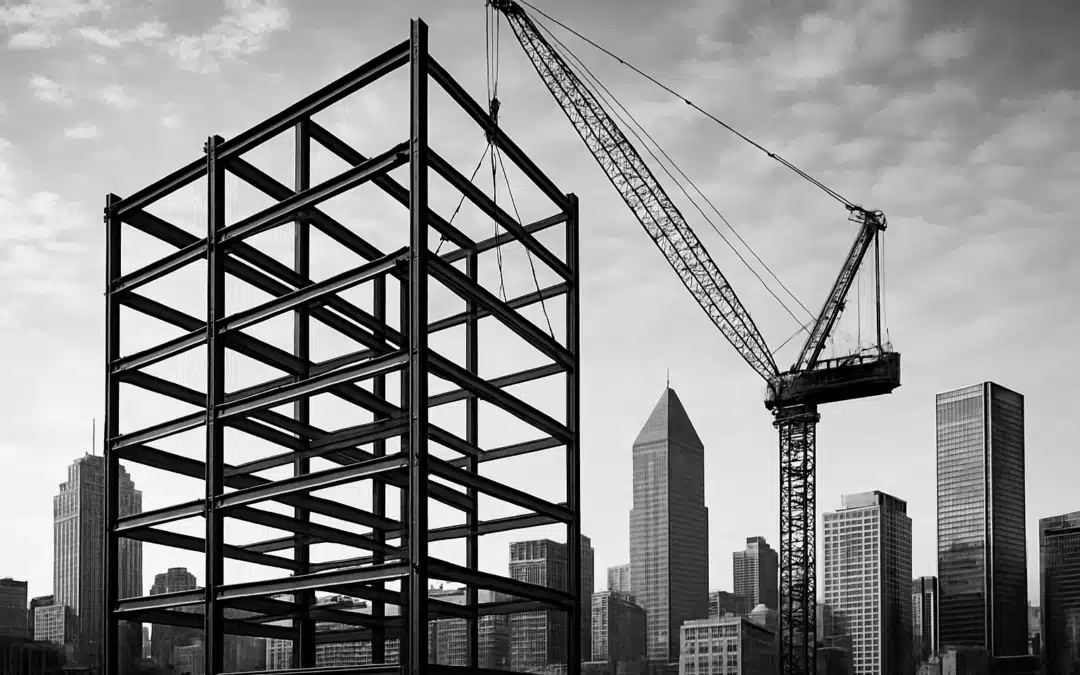
The answer might be steel. A potentially viable substitute to traditional building materials, steel’s adoption in construction projects could be the transformation the Canadian industry needs. Not only do steel structures offer a more streamlined building process, but they also tout impressive longevity, cost efficiency, and are inherently sustainable.
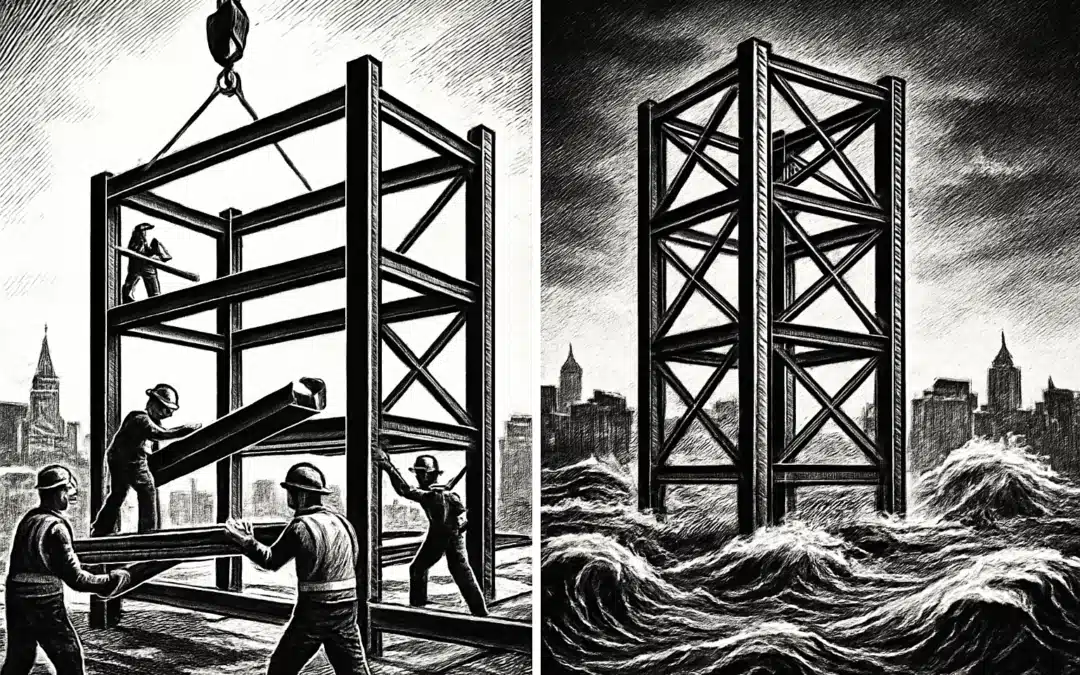
Building with steel is akin to playing with industrial-grade Lego, with elements well fabricated off-site for rapid assembly. This speed of assembly could potentially reduce the waiting time for seniors, like those in Fort St. John, by accelerating the creation and expansion of long-term care facilities.
Compared to traditional masonry and concrete structures, steel buildings have demonstrated remarkable cost-efficiency in both construction and lifecycle costs. These savings could mean more budget for the B.C. government to invest in additional similar projects.
Is Sustainability a Concern with Steel?
In today’s world, where the sustainability conversation is not a choice but a priority, steel’s virtues shine brighter. When compared to other materials, steel leads the way in eco-friendliness. It boasts an extremely high recycling rate, minimizing the strain on natural resources.
Taking a regional view, steel could play a significant role in the construction landscape. British Columbia steel buildings could become a sustainable and efficient solution to the province’s burgeoning demand for long-term care facilities.
However, the shift to steel is not all roses. Like any evolving concept, it comes with challenges. Regulatory adjustments, training for construction professionals, and alterations in design practices are a few hurdles to overcome.
How Can the Transition be Made Smooth?
The transition to steel requires a comprehensive industry outlook. It calls for government involvement and policy revision, for encouraging sustainable building practices and facilitating streamlined building regulations. Moreover, a robust backing from industry stakeholders, education, and resource allocation is paramount in fostering steel as a preferred material.
In conclusion, the demand for long-term care facilities, such as in Fort St. John, will continue to rise as Canada’s population ages. However, by adopting the steel-building methodology, delays in expansion projects can be circumvented while maintaining cost-effectiveness and sustainability.
As a Pro Tip for Developers, it is prudent to commence familiarization with steel structures, considering their promising rise in the construction landscape.
So, how are you adapting your building strategies this year? We’re eager to hear your thoughts. Comment below to contribute to this important conversation.
Source: Read original article here.