Unraveling the Canadian Housing Crisis: Could Steel Structures Be the Panacea?
Eight minutes. That’s how long, on average, a house in British Columbia, Canada, stays on the market before it’s snapped up by an eager buyer. A startling statistic that, like a mirror, reflects the dark underbelly of the insatiable BC real estate market and the housing crisis worsening throughout the country.
What’s Causing this Housing Vacuum?
The nationwide housing crisis in Canada is a complex issue, shaped by factors such as immigration, underinvestment in affordable housing, and socio-political instability overseas, as exemplified by cases like Jenny Jasmine and her two daughters. After escaping political unrest in Congo, they found themselves in a perpetual transience, living in Ottawa hotels for over a year, together with more than 660 other families. This situation costs the City of Ottawa nearly $30 million.
How Can the Construction Industry Rectify This?
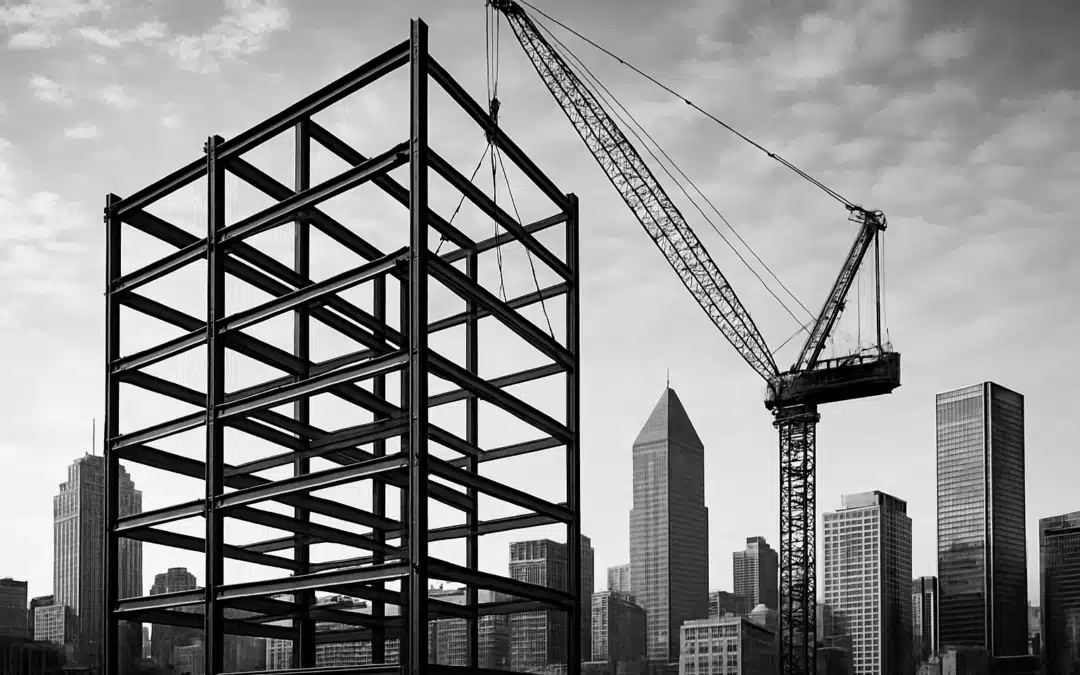
It’s a tall order but not an impossible one. The construction industry has already shown resilience and adaptability, shifting towards eco-friendly and cost-efficient building materials like steel. Like industrial-grade Lego, steel structures allow the speed of assembly while being gentle on resources and your pocket.
Why Choose Steel?
The three S’s make steel an attractive proposition – Speed, Savings, and Sustainability. Let’s dig a little deeper into what makes steel construction a viable solution.
Speed Of Assembly: The Time Saver
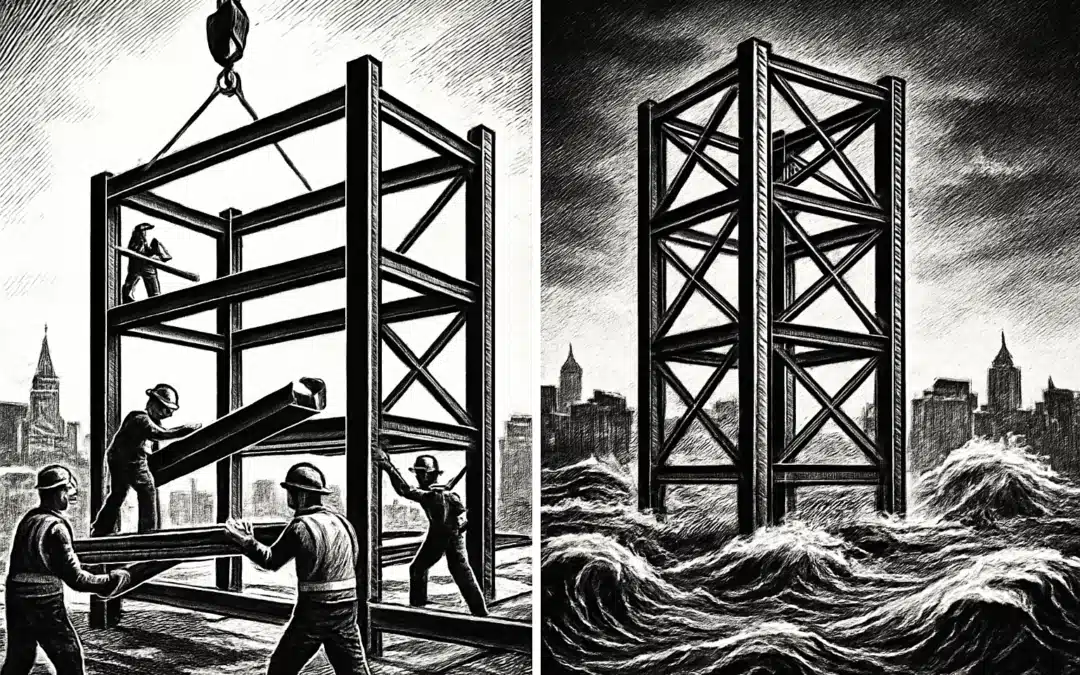
Steel structures in many ways are analogous to a thrilling game of high-stakes jigsaw. Pre-engineered components are meticulously designed and fabricated off-site, making on-site assembly as swift as placing the final piece of a puzzle. Plus, the weather doesn’t command our schedules – an undeniable advantage in the temperamental Canadian climate where construction activities are often delayed due to weather disruptions.
Cost-Efficiency: The Wallet Guardian
According to a report by the National Research Council Canada, steel structures save up to 20% in construction costs compared to traditional methods. Durability and low maintenance needs further add to steel’s cost-efficiency. Simply put, steel buildings are like the trusty sergeants of construction: always delivering, never complaining.
Sustainability: The Earth’s Ally
Finally, and perhaps most importantly, steel structures are champions of sustainability. Not only is steel recyclable, but its production also generates fewer carbon emissions compared to other building materials. By creating steel buildings in Ontario and beyond, we can answer both the demands of the housing market and Mother Earth.
What Impact Will This Shift to Steel Have on the Future?
By embracing steel construction, we are looking at a potential renaissance in the Canadian construction scene. Affordable, quick-to-assemble housing can alleviate the country’s housing crisis. More family homes, fewer overcrowded hotels. A dream? Possibly. But it’s within our grasp, and it’s time to move forward.
The shift also carries implications for industrial zoning in provinces like Ontario, especially around urban centers. As more firms gravitate towards steel construction, we might witness an increase in zoning approvals and changes to accommodate more steel construction facilities.
Source: Read original article here.
Pro Tip for Developers
Embrace change. It’s time to step off the traditional template, explore, and expand your horizons. Look towards sustainable solutions, like steel. It’s an investment not just for your business but for our planet and society.
Now we turn the conversation over to you: How are you adapting your building strategies this year? Comment below and join the dialogue. Our collective experiences and insights can lead us to a more sustainable, inclusive, and thriving Canadian housing market.