
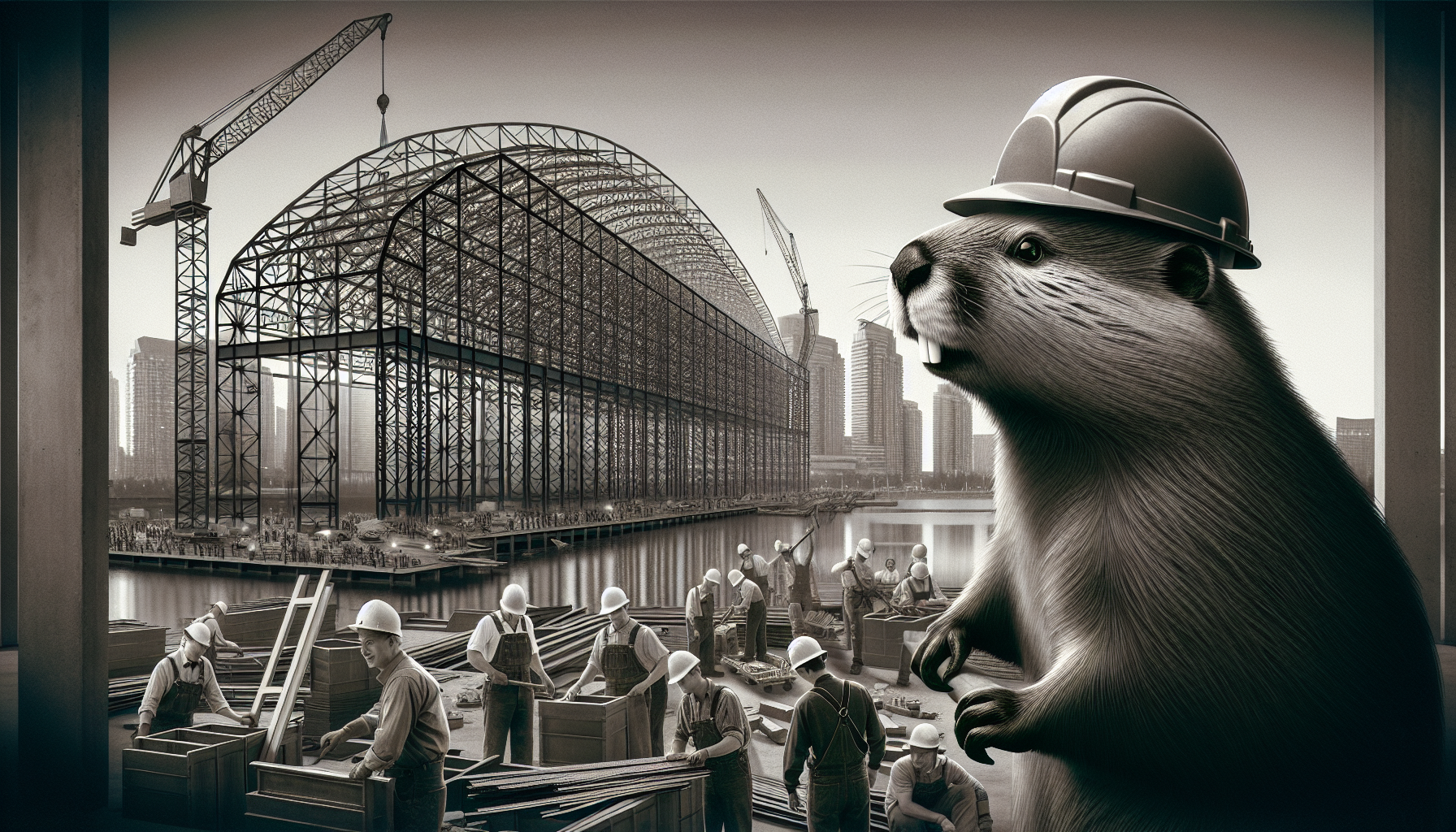
Steel Structures: The Silver Lining of Ontario’s Tariff Cloud
Imagine if the rising BC real estate market had to grapple with an influx of unexpected costs, such as arbitrary tariffs imposed by international trade relationships. This rhetoric isn’t too far from reality for the Ontario construction sector.
What Does Ottawa’s $228.8M Support Package Mean for Ontario’s Construction Industry?
In a recent move to bolster industries affected by ongoing U.S. tariffs, Ottawa has announced a $228.8 million package to help upskill Ontario’s workers and pivot towards new opportunities. Where does the construction sector fit into all this, you ask?
Let’s dive further into the implications, with a particular emphasis on the cost-efficiency, speed of assembly, and sustainability of steel structures.
How Can the Construction Industry Leverage this Financial Boost?
This financial allocation signals a strategic move towards industries that can pivot and endure the disruption — the steel construction industry shines atop this list. As resilient and resourceful as beavers — our Canadian emblematic animal — builders are primed to use steel’s benefits to respond adroitly to market complexities.
Why Invest in Steel Construction Amid Tariffs?
There are a host of reasons why infrastructures forged in steel can withstand tariff-compounded markets. Not only does steel offer cost-efficiency and speed of assembly, but the sustainable aspects of steel structures also make for a compelling investment narrative.
Cost-Efficiency of Steel Structures
Steel construction, in essence, is akin to playing with industrial-grade Lego. Steel building kits offer an efficient way to construct buildings with specified dimensions at a fraction of traditional costs. A perfect example is this industrial warehouse in Brampton, ON — high clearance paired with cost-effectiveness, all packaged in steel.
Speed of Assembly
Unlike traditional construction materials, steel structures can be pre-designed, pre-engineered, and pre-fabricated — ready for rapid assembly on site. With a shorter time-frame to completion, developers can rapidly respond to dynamic market demands and realize return on investment quicker.
Sustainability of Steel
Consider steel construction as a testament to “waste not, want not.” Steel structures are nearly 100% recyclable and lead to less waste during construction, making them a popular choice among builders prioritizing sustainability.
How Will Regional Solutions Manifest Amid Disruptions?
Despite external disruptions, regional solutions like steel buildings in Ontario offer regional resilience. Maintaining local supply chains and supporting local industry can, in fact, strengthen the sector in the midst of trade adversity.
Another way to ensure resilience is through smart investments in developing skilled labour. Government support measures geared towards skill development related to steel building kits can contribute to local industry self-sufficiency, further improving the resilience of Ontario’s construction industry in the face of tariffs.
Pro Tip for Developers: The more you embrace the benefits of steel, the better equipped you are for bracing market challenges. Use this moment as an opportunity; a chance to transform your building strategy to prioritize cost-effective, rapid, and sustainable solutions in steel.
Now, we’d love to hear from you. How are you adapting your building strategy this year in light of these tariffs?
Feel free to share your thoughts in the comment section below.
Source: Read original article here.


