Surprising Ripple Effect: Exponential Dip in BC International Students Impacts Steel Construction
Ever thought how education policies could influence the construction industry? The news has splashed around the repercussions of the latest Auditor General’s report. The erratic slide of international student numbers in British Columbia, due to federal immigration policy changes, caused a seismic surprise, impacting even the construction industry. A drop in student numbers by a monumental 66% was demonstrated instead of the forecasted 18%. So what gives?
How Do International Students Relate to the British Columbia Real Estate Market?
The connection is not immediately apparent, but it’s quite simple. Every student requires a place to live. International students, in general, tend to demand student housing options close to their institutions. These residences are often purpose-built student accommodation (PBSA) units.
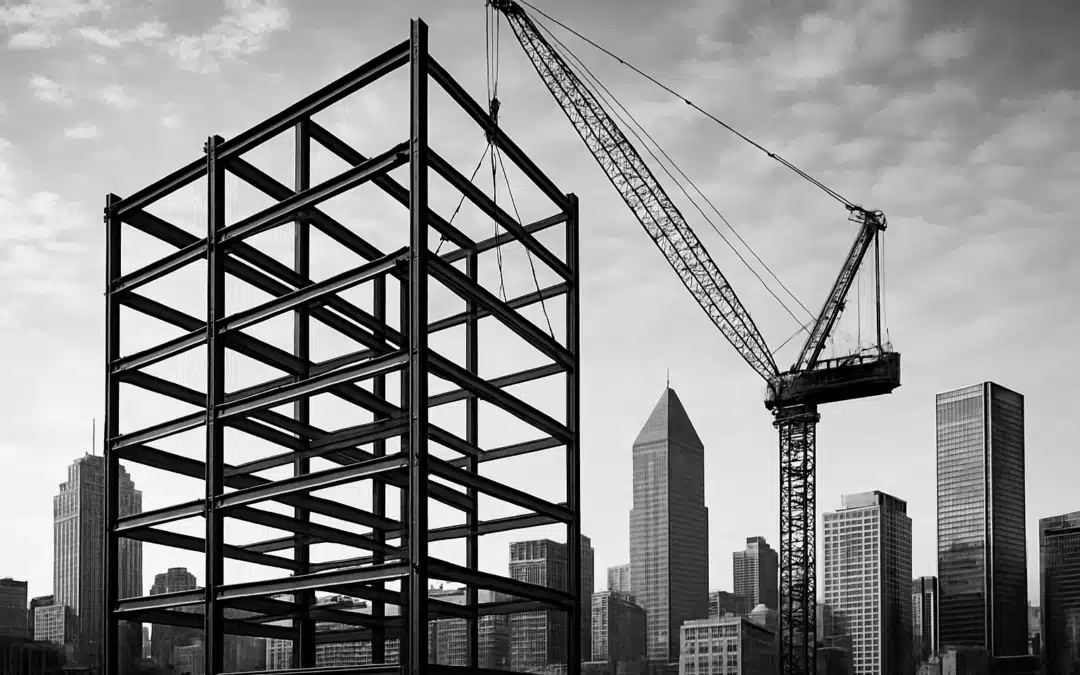
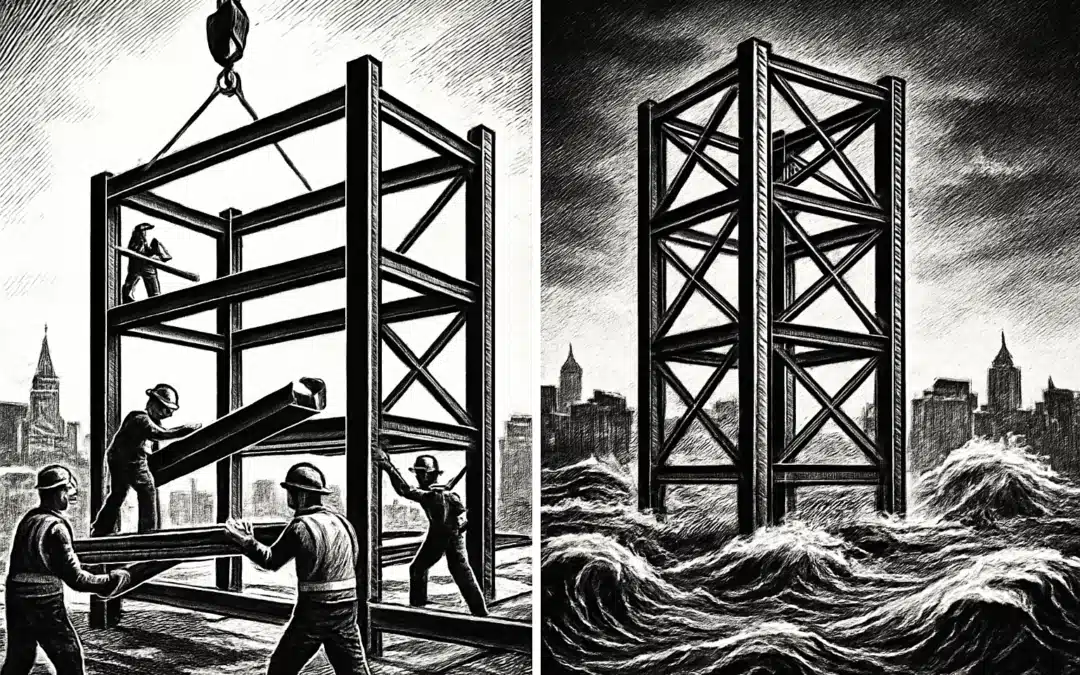
When considering recent trends, steel has proven to be a popular choice in PBSA developments due to its cost-effectiveness, ease of assembly, and sustainability aspects. With a marked reduction in students, there will inevitably be a decreased demand for these facilities.
Could this Trigger a Shift in Steel Construction?
Absolutely. The reduced requirement for student housing could steer steel constructors toward other projects. Industrial expansion, residential renovations, and commercial building developers can seize the opportunity to use steel more extensively.
These alternative construction projects are facilitated by the notable advantages of steel. The British Columbia steel buildings market flourishes due to steel’s cost-efficiency, speed of assembly, and sustainability attributes.
Will this Lead to More Steel Buildings Sprouting Up Across British Columbia?
It’s quite likely. Commercial developers and even residential builders are continually seeking more affordable ways to construct buildings quickly. Observe the rise of the Barndominium phenomenon. Not only does steel enable quicker timelines but it also cuts down on overall labour costs, a vital factor in a region hindered by skilled labour shortages.
Statistics indicate that investors are looking more favourably at industrial and commercial properties, with increased interest in self-storage facilities. These structures lend themselves particularly well to steel construction techniques.
Can Steel Contribute towards Reinvigorating the Economy?
Steel structures could serve as pillars of economic recovery for British Columbia, especially in markets where quick project turnaround is critical. Modern construction solutions like steel buildings are increasingly the way to go. Consider the elegance of this modern black garage in Whistler as just one example of steel’s aesthetic flexibility.
Steel also ranks highly in terms of sustainability due to its potential for recycling. As climate change forces industries to adapt, steel provides an answer to constructing eco-friendly, energy-efficient buildings.
How Might This Shift Impact Industrial Zoning in British Columbia?
The construction industry’s adaptation to these changes will influence future industrial zoning decisions. With the potential rise in steel-based industrial and commercial constructions, one could expect an expansion in the regions allocated for these structures.
Equally, the inclusion of steel buildings in residential and mixed-use zones displays the versatile usage across multiple sectors. This versatility could drive zoning laws to reflect this trend, potentially enabling easier development access for construction companies.
In closing, only time will reveal the magnitude of these shifts in the Canadian construction industry, sparked by something as unrelated as student visa policies. The key lies in remaining adaptive, resourceful, and efficient in the face of change.
Source: Read original article here.
Pro Tip for Developers:
Leverage the benefits of steel–rapidity, cost-effectiveness, and sustainability–to navigate the current real estate market dynamics. Stay tuned to shifts in demand and the types of properties necessary to meet this demand.
We invite you to share your thoughts and experiences in the comment section below. How are you altering your building strategies this year based on the changes we’ve discussed? We look forward to hearing from you.