Redefining Construction Approaches: Balancing Development and Nature in B.C.
B.C’s burgeoning real estate market has unintentionally stirred up an ecological conundrum. Amidst the steel beams and concrete pillars, have we overlooked the inhabitants of the land we are developing – the amphibians and reptiles? Are we constructing buildings faster than we can mitigate the environmental impact?
What Does The displacement of B.C.’s Amphibians Reveal?
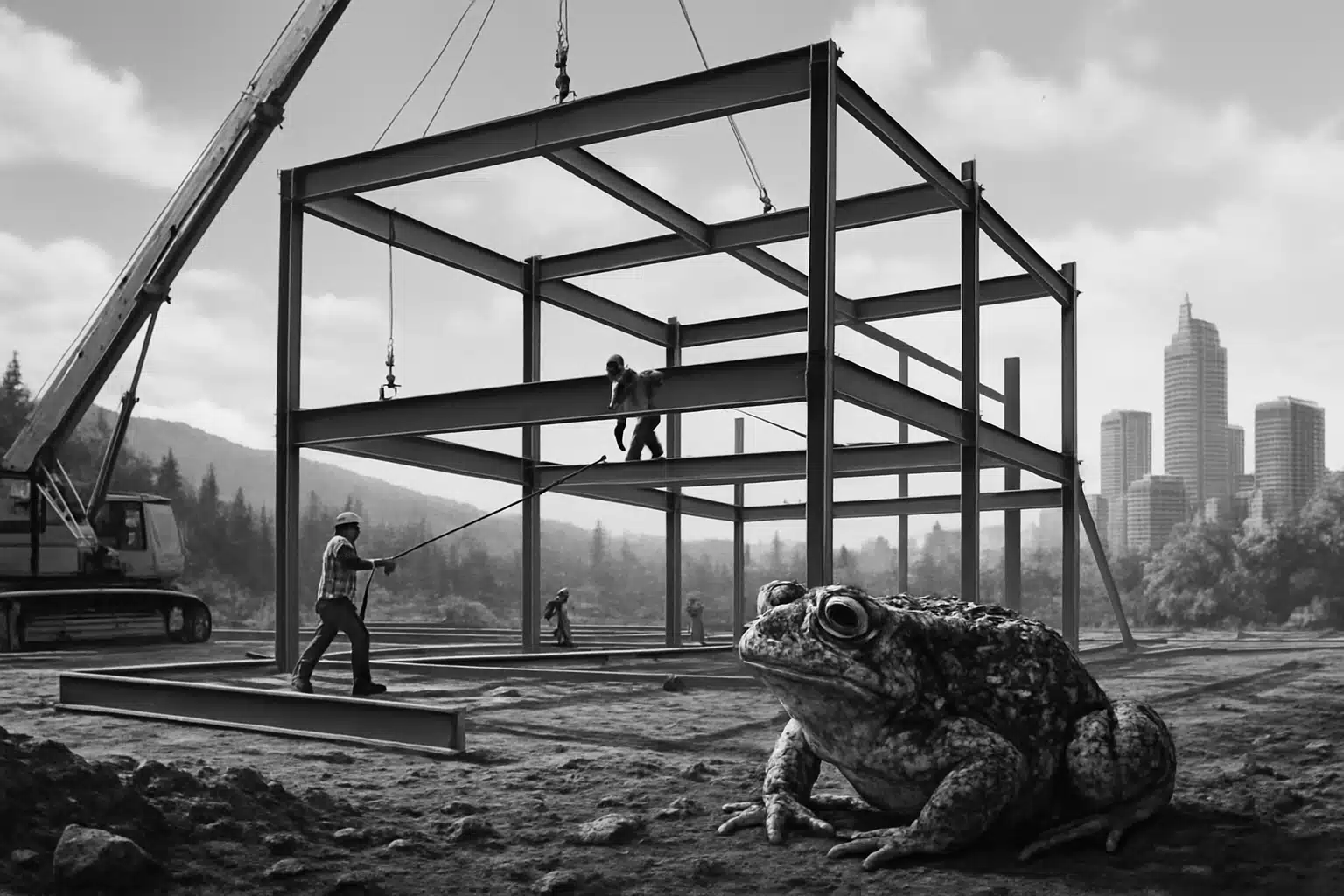
The displacement of millions of amphibians and reptiles to make way for construction projects brings an often ignored, yet significant facet of development to the forefront. The shifting of Western Toads and other species exposes a critical gap in our current building practices – the potential lack of adequate measures to ensure the survival of these species post-relocation. It sheds light on the need for a balance in constructing new buildings and preserving the ecosystem.
In terms of the broader implications for the Canadian construction industry, this development raises important questions: how can we make building processes more cost-effective, speedy, and sustainable, without compromising on ecological balance? The answer, likely, lies in the inherent benefits of steel construction.
How Can Steel Construction Address These Concerns?
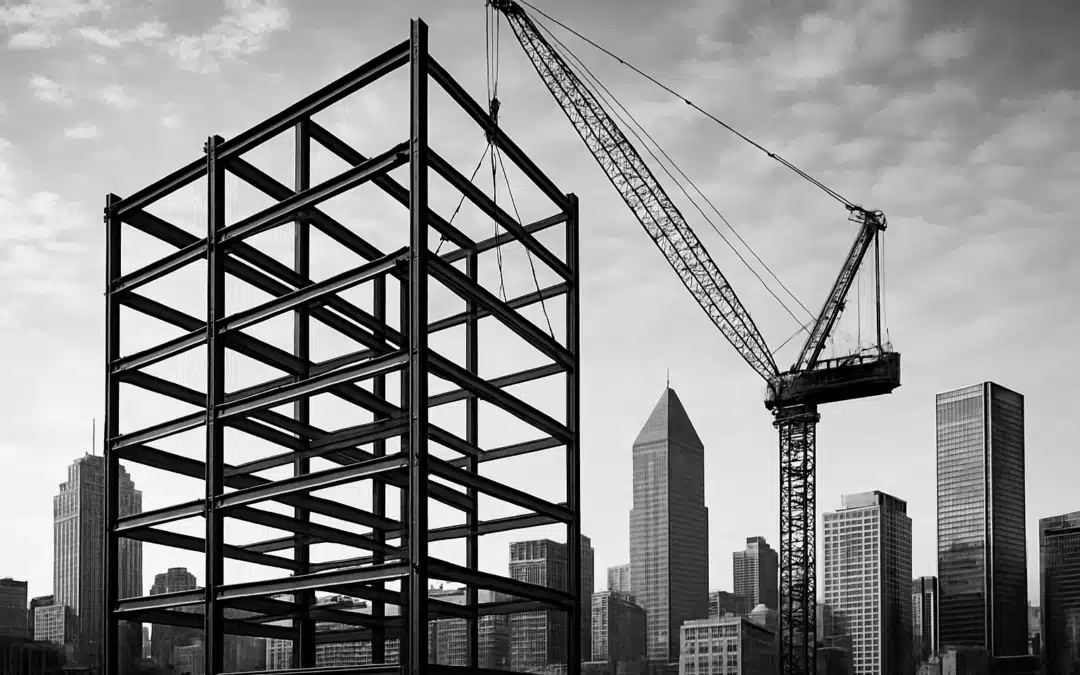
As we’ve advocated many times, the use of steel structures can enhance the cost-efficiency and speed of assembly without sacrificing strength and stability. Steel’s recyclability also ticks the box of sustainability, earning it a distinguished spot among the construction materials of the future.
Is There A Role For Steel In Eco-friendly Building?
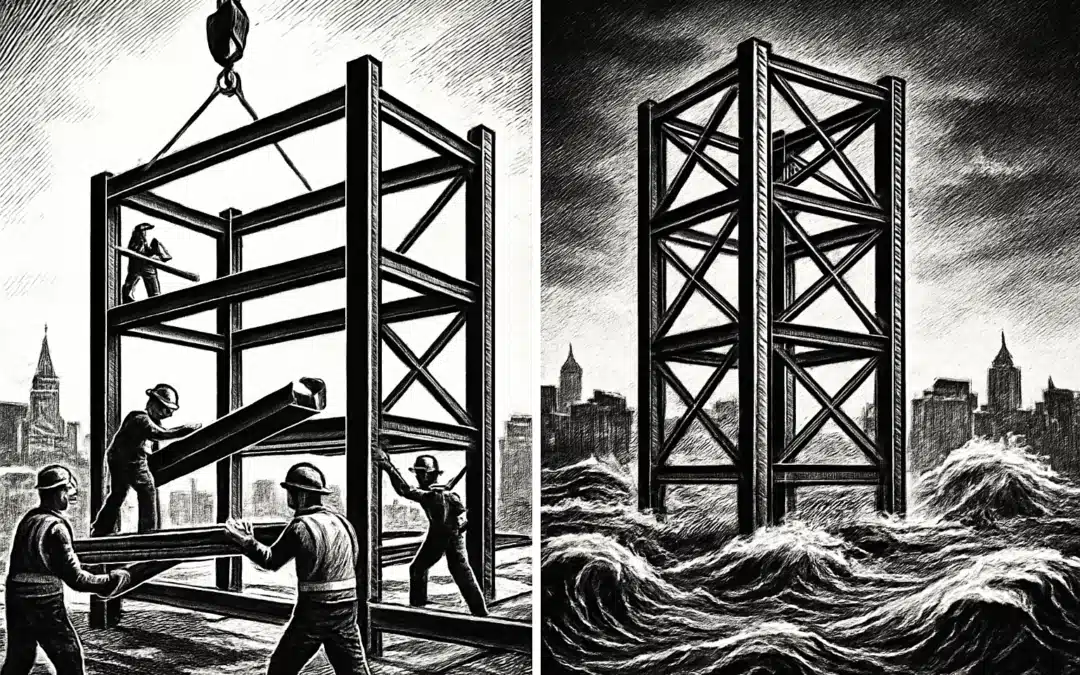
Building with steel is akin to playing with industrial-grade Lego. It provides us with the flexibility to quickly erect and dismantle structures as required, minimizing land disruption and potential harm to ecosystems. The non-porous nature of steel also reduces the risk of disrupting soil and water quality during construction. Additionally, the reuse and recycling of these structures fits perfectly within the circular economy, further addressing our environmental concerns.
The Spectacular Case of British Columbia
Specifically, in the case of British Columbia, steel construction has made strides in allowing rapid development with fewer environmental repercussions. The region has witnessed a steady rise in British Columbia steel buildings, which is a testament to the acknowledgement of steel’s advantages.
In Kelowna, for instance, construction of a large agricultural storage facility demonstrated the speed and efficiency of this approach. Not only did the construction meet tight deadlines, but it also minimized the disturbance to the natural environment, providing a blueprint for future projects.
What Are The Next Steps For Sustainable Construction?
Going forward, the incorporation of wildlife conservation efforts into construction projects should be a priority. A blend of foresight, policy change, adequate monitoring measures and education is required to ensure we transition towards more sustainable models like building eco-friendly barndominiums and steel structures.
Pro Tip for Developers
As developers, it’s time we elevated our building strategies to accommodate not just the booming human population, but also the wildlife that cohabitates with us. Integration of steel structure construction, regular environment impact assessments and greener construction methods should be part of every developer’s playbook moving forward.
We invite you to share your most innovative building strategies for this year. What steps are you taking to ensure cost-efficiency, speedy assembly and sustainability while respecting the ecosystems you work in?
Source: Read original article here.