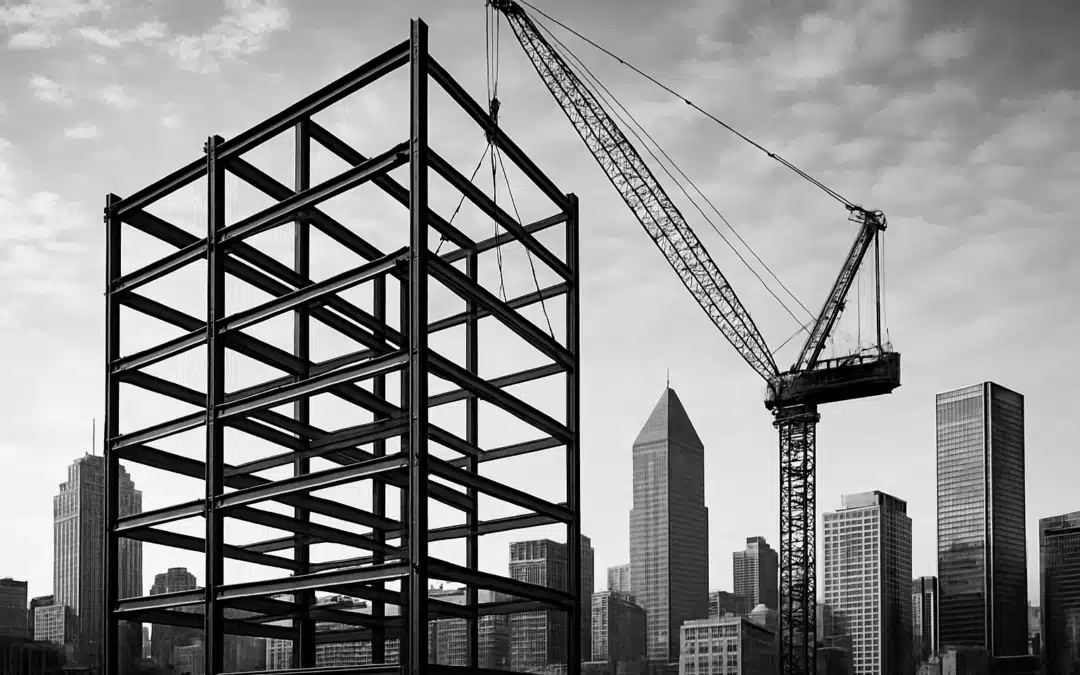
Steel: The Key to Affordable, Rapid, and Sustainable Development in Canada?
Did you know that the return on investments in the British Columbia real estate market saw an impressive 221% surge over the past decade? With such explosive growth, the challenge of making housing affordable, swift to deliver, and eco-friendly has become more significant than ever before. However, there seems to be a solution right under our noses: steel construction.
Why Are Developers Sceptical About Development Charge Cuts?
The federal and provincial governments have floated a plan to halve development charges for three years, raising hopes of reduced housing costs. Developers in Windsor-Essex argue this change could translate into savings for home buyers. Contrastingly, experts and a Windsor city councillor have greeted the plan cautiously, raising some legitimate concerns about how these changes might impact long-term planning and infrastructure development.
The scepticism is quite understandable. Reducing these charges without implementing measures that can control construction costs could put local municipalities under increased financial pressure. And that brings us to an important discussion point: Can we leverage steel construction as a cost-efficient and quick alternative to traditional building methods?
Why Could Steel Construction Be a Game Changer?
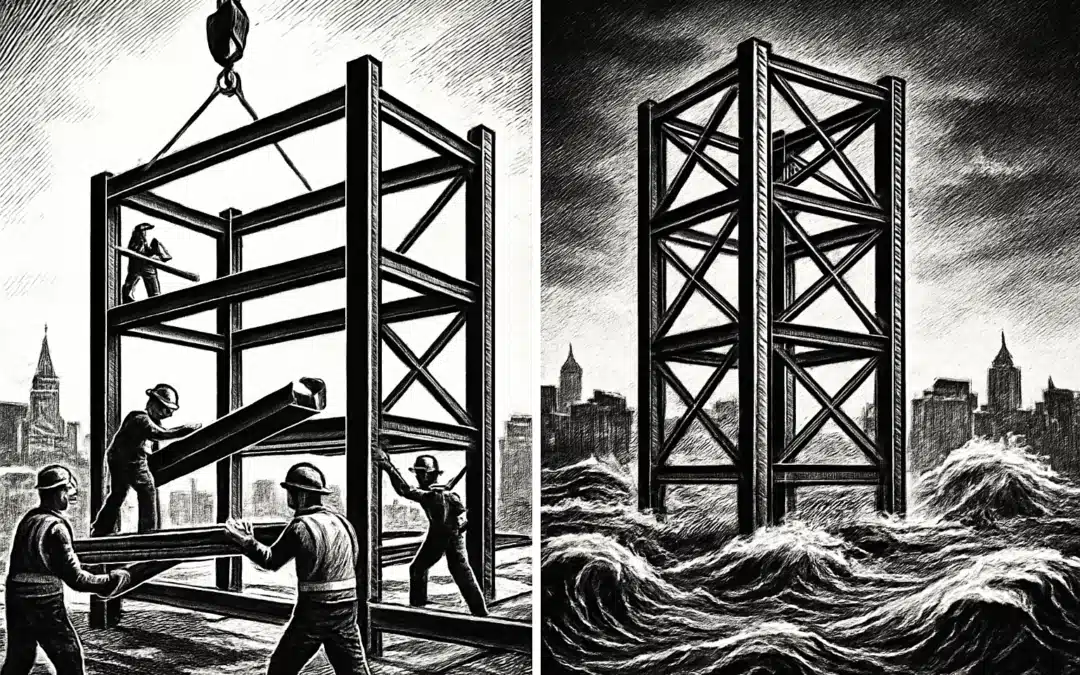
Steel construction, often likened to playing with industrial-grade Lego, offers a host of benefits that could transform the Canadian real estate landscape. Firstly, it provides excellent cost-efficiency through prefabrication and ease of assembly, reducing labour costs. Secondly, with pre-engineered components, the speed of assembly is significantly improved, allowing for quicker project turnarounds. Furthermore, steel structures are highly sustainable due to their long-life span, recyclability, and energy efficiency.
For instance, the 20x32x10-ft steel building kit from Your Building Team offers a compact and cost-effective solution that can be assembled efficiently, targeting the need for speed without compromising on quality.
What Are the Long-Term Implications for the Canadian Construction Industry?
The alignment of development charge reductions with the adoption of steel construction could provide an innovative route to achieving the ultimate trio: cost-effectiveness, speed, and sustainability.
Consider the 50×40 farm equipment shed in Collingwood, ON, that showcases the remarkable potential of steel structures in regional builds. Such structures demonstrate how steel construction can facilitate the rapid development of property while keeping costs in check.
Nationwide, this could result in reduced project delays and the delivery of affordable housing to meet the market demand. As for the long-term environmental impact? Steel structures are a friendlier choice due to their durability and recycling properties, which significantly reduce resource wastage, aligning with Canada’s green revolution goals.
Can Steel Structures Tackle Regional Housing Challenges?
Regional housing markets, like Ontario, may particularly benefit from this shift. Given the diverse landscape that ranges from congested urban spaces to the sprawling countryside, the flexibility of steel structures can be a serious game-changer.
Just take a look at the range of steel buildings in Ontario and you’ll see how well they adopt to various environments, from agricultural settings to bustling city centres!
In Conclusion: The Takeaway for Developers
While the development charge reduction plan might feel like a double-edged sword for many, the adoption of steel construction could add an innovative twist. This approach can truly unlock the potential in cost-efficiency, speed of assembly, and sustainability within the construction industry.
Source: Read original article here.
Pro Tip for Developers
As a developer, it’s important to stay agile and adapt to industry shifts. With evolving times, the transition to cost-effective and sustainable options like steel is looking very promising.
We welcome your thoughts! We invite you to comment below on how you are adapting your building strategies this year. It’s time we all brainstorm for a real estate revolution!