H1: Ontario Toxic Chemical Case Sets Stage: Steel-structured Real Estate Could Be the Future
It’s 2026, and the building industry has once again found itself on the precipice of change. But are innovative Canadian developers ready? Let’s find out.
Unforeseen rulings can shake up industries. The recent ruling by the Ontario Superior Court of Justice, opening the door for punitive damages in a class-action lawsuit over contamination by so-called “forever chemicals,” certainly didn’t leave the real estate and construction sectors unaffected. But could this tribunal outcome be an opportunity in disguise, especially for the burgeoning steel construction industry?
What does the Ontario Court’s Decision Mean?
The ripple effect of this groundbreaking class-action suit goes beyond the parties involved. It sends a loud message to the construction industry: repercussions for negligence are both immediate and punitive. The lawsuit, centring on per- and polyfluoroalkyl substances (PFAS), noted for their persistence in the environment as “forever chemicals,” has suddenly put issues of sustainability and contamination under a microscope.
Why Steel Construction?
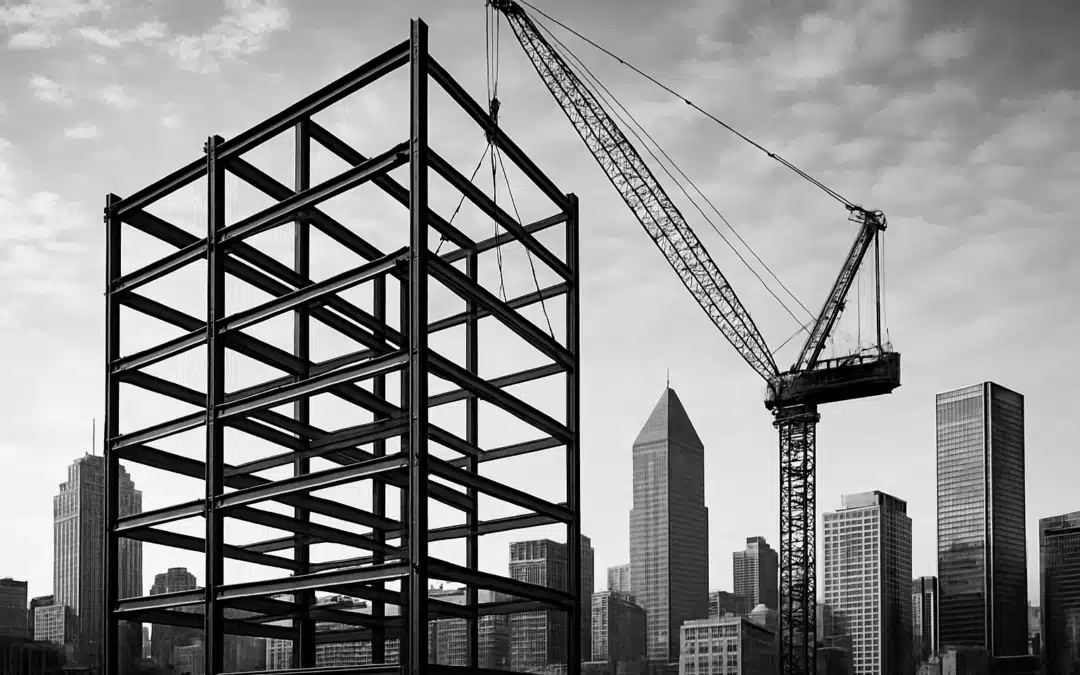
Enter steel. Traditionally associated with skyscrapers and commercial buildings, steel is now making its mark in residential and rural projects. Influences extend from cost-efficiency and speed of assembly to sustainability – characteristics all the more relevant against the backdrop of environmental concerns and punitive legal outcomes.
Can Steel Structures Now Be a Safer Bet for Developers?
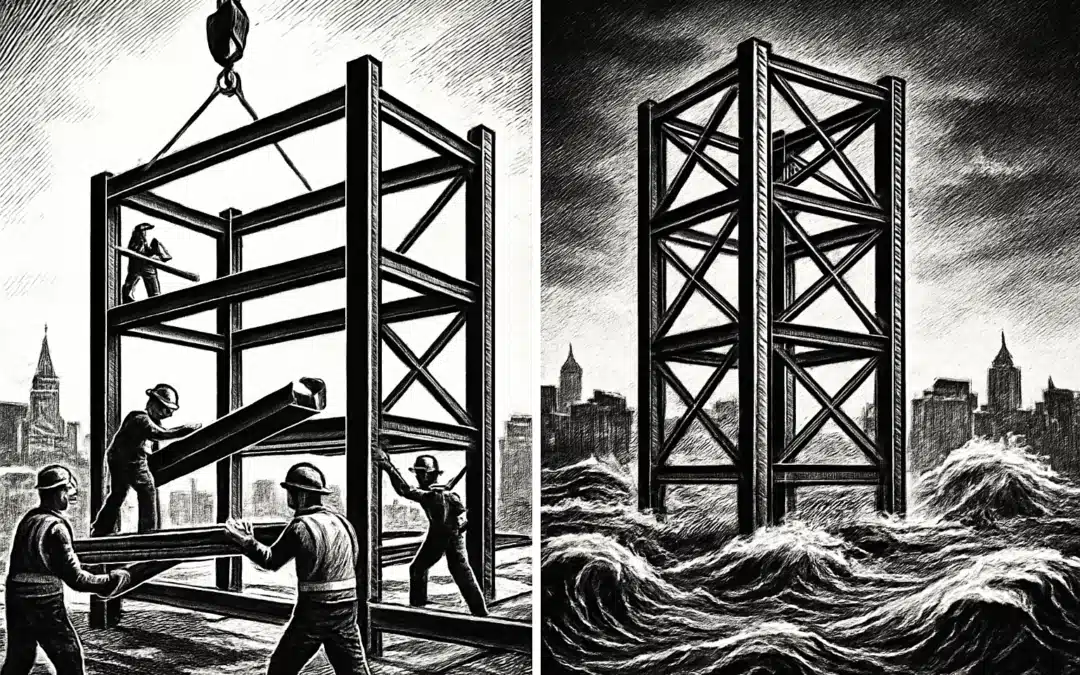
Cost-Efficiency: The beauty of a steel building lies in its economic footprint. It’s akin to playing with industrial-grade Lego — pre-fabricated pieces reduce onsite labour costs. What about durability? A custom case, from a petite 20×32 Hobby Farm Building in Belleville, ON, demonstrates how these structures can withstand Canadian weather conditions, lowering maintenance costs long-term.
Speed of Assembly: The fact that steel buildings come prefabricated means construction times are cut drastically. This not only means more projects underway but also earlier rental or sales return. The brisk assembly of a 30x40x14 ft Steel Building Kit amply illustrates this point.
Sustainability: Steel structures, aside from their robustness, display an impressive capability of total recycling, echoing the concepts of the circular economy. When developers invest in steel buildings in Ontario, they’re investing in a product that can be repurposed multiple times without losing integrity – a stark contrast to the harmful persistence of PFAS.
What are the Long-term Implications of This Shift?
Regardless of the short-term changes, the long-term implications look to be transformative. Developers who pivot early in this shifting landscape will likely reap the benefits of reduced contingency liabilities, better sustainability ratings, and an increased portfolio of cost-effective, quickly assembled properties.
Ontario Setting the Pace
With the Ontario court’s precedence on punitive damages for chemical contamination, there’s an increased scrutiny on materials used in construction. Ontario’s steel buildings are a prime example of a regional solution that incorporates all the positive aspects of steel construction and addresses environmental concerns.
As a Lead Construction Consultant and Real Estate Analyst, I can confidently stress that this shift will create novel opportunities for innovative, forward-thinking developers to shape the future of Canadian construction.
“Hindsight is 20/20” as the old saying goes, but in construction, foresight is priceless.
Pro Tip for Developers: Stay ahead of the curve. Assess your current processes and materials critically. If you haven’t considered steel yet, now’s a good time to start.
How are you adapting your building strategies this year? Can steel be your game changer? Feel free to share your experiences and views in the comments section below.
Source: Read original article here.