Indigenous Art Meets Steel: Catalyzing a New Age of Sustainable Industrial Development in BC
Have you ever wondered how cultural integration and steel structures have the potential to reshape the B.C. industrial landscape? The unveiling of two Indigenous art pieces at a new industrial warehouse in Tsawwassen is more than an amalgamation of culture and industrial real estate—it signifies the beginning of a new era in construction methodologies.
What Does This Mean for the BC Real Estate Sector?
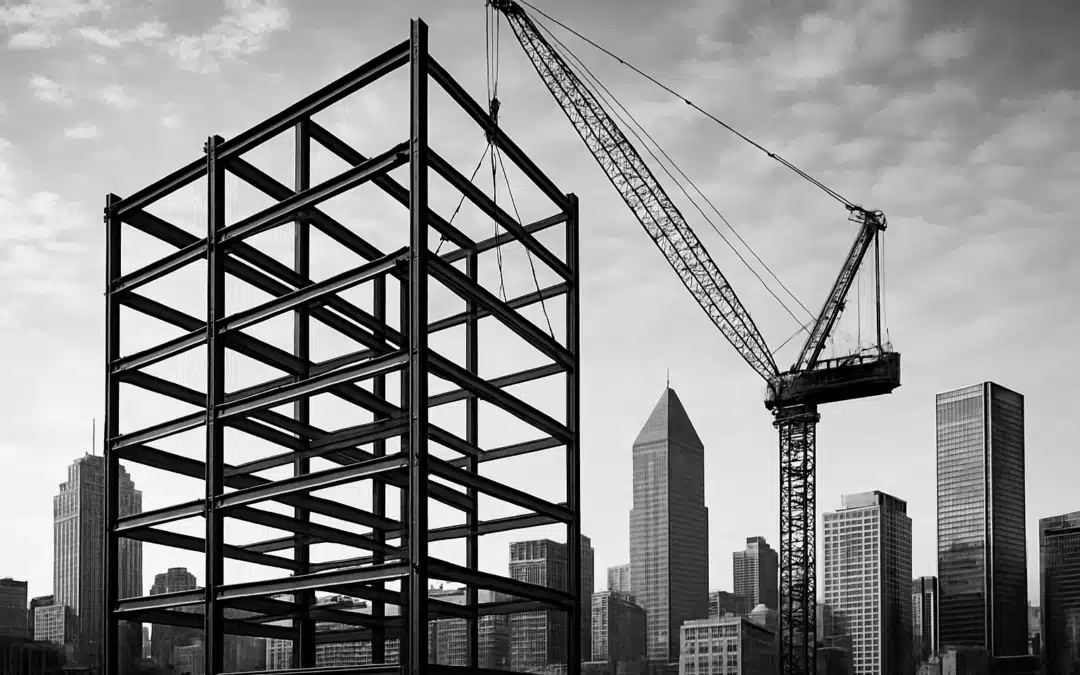
Firstly, it’s all about a revitalized focus on sustainability and speed—both of which are core benefits that come with steel construction. The Tsawwassen First Nation and Beedie collaboration demonstrate a trend towards the fusion of cultural elements with modern building methods. By choosing to build with steel, they are laying the foundation for cost-efficient, safe, and rapidly-constructed structures that are scalable to any industrial development.
Factoring in sustainability, steel buildings are highly recyclable, contributing to the circular economy and reducing wastage in contrast with traditional construction materials.
How Can Steel Construction Aid in Industrial Development?
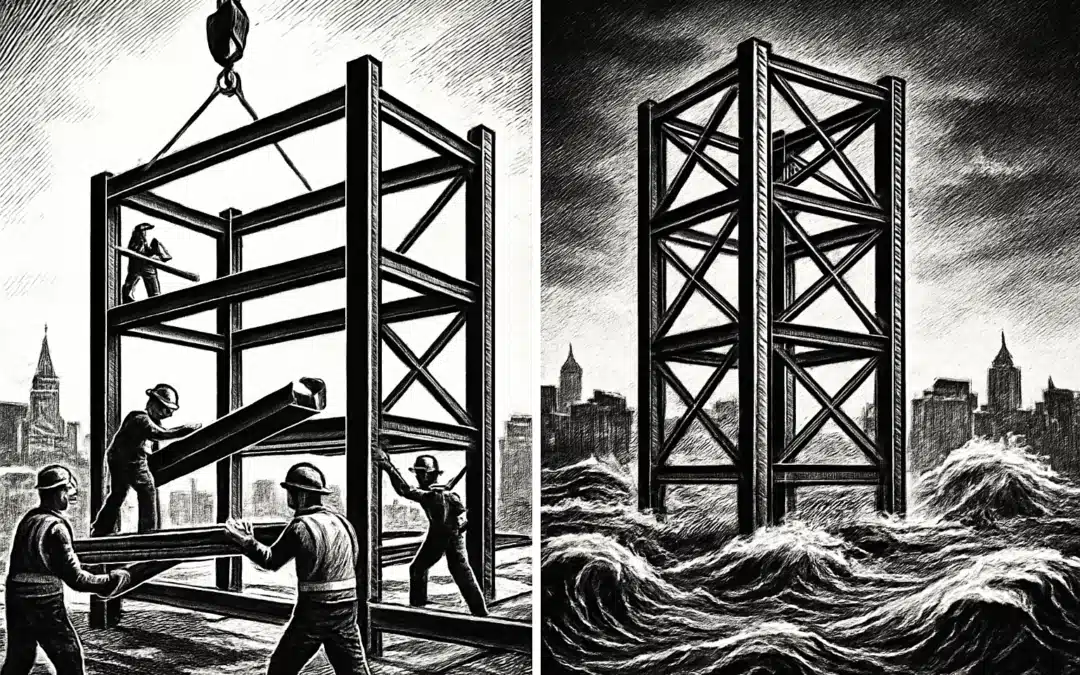
Consider steel construction like playing with industrial-grade Lego. It simplifies the construction process by replacing traditional construction methods with steel frames and panels, which are quick to assemble and do not require significant manpower.
Aside from cost-efficiency and assembly speed, steel structures are durable, capable of withstanding harsh weather conditions, fires, and even earthquakes. This makes them a perfect match for the fluctuating climate in B.C., signaling the immense potential of British Columbia steel buildings.
What Resources Are Available for Developers?
Fortunately, developers have access to resources such as steel building kits. These kits come with pre-cut and drilled pieces that make the assembly process a breeze. Moreover, these packages can easily be customized to incorporate unique features such as large scale art installations, which was the case in Tsawwassen.
For developers looking to invest in the barn-style industrial sites, resources like Building A Barndominium in British Columbia could be incredibly beneficial.
Will This Trend Continue in the Future?
It seems inevitable. As global attention shifts towards socially responsible and sustainable development practices, methods like steel construction will gain prominence. The combination of Indigenous artwork with steel structures at the Tsawwassen industrial warehouse is not just an aesthetic choice—it’s an effective marketing strategy and a commitment towards cultural preservation and environmental sustainability.
Furthermore, as the population continues to expand, there will be an increased demand for durable, efficient, and fast-constructed industrial warehouses. Steel structures meet these needs, making them a likely choice for developers.
The Final Word: A Pro Tip for Developers
Embrace the change, and be at the forefront of it. By incorporating culture into industrial developments and leveraging the benefits of steel construction, developers can make a positive impact on the community, the environment, and their bottom line.
It’s time we ask ourselves: what strategies are we adopting this year to align with these dynamic shifts in construction and development? Let’s look to innovative solutions, like the indigenous artwork showcased in Tsawwassen, to inspire our future projects.
What about you? How are you adapting your building strategies this year? Share your experiences in the comments below—we’d love to hear your ideas and perspectives.
Source: Read original article here.