Emerging Urban Density in Canada’s Mid-Sized Cities: The Surging Demand for Steel Structures
When you think of copious towers sprouting up in Canada, don’t your thoughts immediately gravitate towards the bustling skyscrapers of heavy hitters like Toronto or Vancouver? Well, recent CMHC data reveals a startling shift that’s transcending the architectural norm. Mid-size cities, from Halifax to Kelowna, are growing at a pace that mirrors their big-city counterparts, leading to new challenges in construction, planning, and community acceptance.
What do the Rising Population Densities Imply for Mid-Sized Cities?
Consider the scenario of London, Ontario. A 299-unit tower proposed in the tranquil Stoneybrook neighbourhood is meeting pushback from local activists. They believe their community can’t sustain such density. Yet, similar projects pepper other similarly sized cities nationwide. As these mid-sized cities undergo a skyline metamorphosis, it is vital to consider the most cost-efficient, swift, and sustainable construction methods.
Why Should the Construction Industry Adopt Steel Structures?
Imagine building with steel as playing with industrial-grade LEGO. Only, the outcome isn’t an in-house architectural masterpiece that rests on your coffee table. Instead, it’s a towering structure in your city skyline hosting hundreds of families. Steel modular constructions are increasingly becoming the go-to solution, particularly in British Columbia, where they offer numerous advantages over traditional methods.
How Does Steel Construction Triumph in Cost-Efficiency?
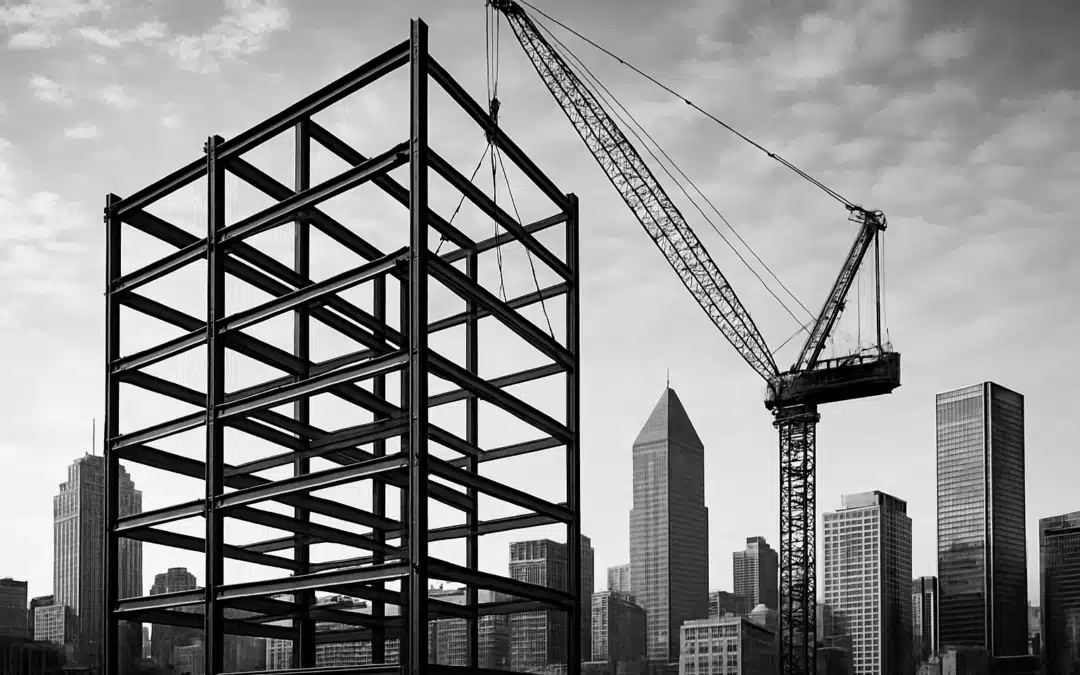
Steel structures significantly reduce construction time, translating into a cost-efficient process, quick returns on investment, and earlier occupancy for anxious tenants. Our 20x40x12 ft steel building kit,
for example, embraces an economical, speedy, and simple construction approach that caters to today’s accelerated urbanization.
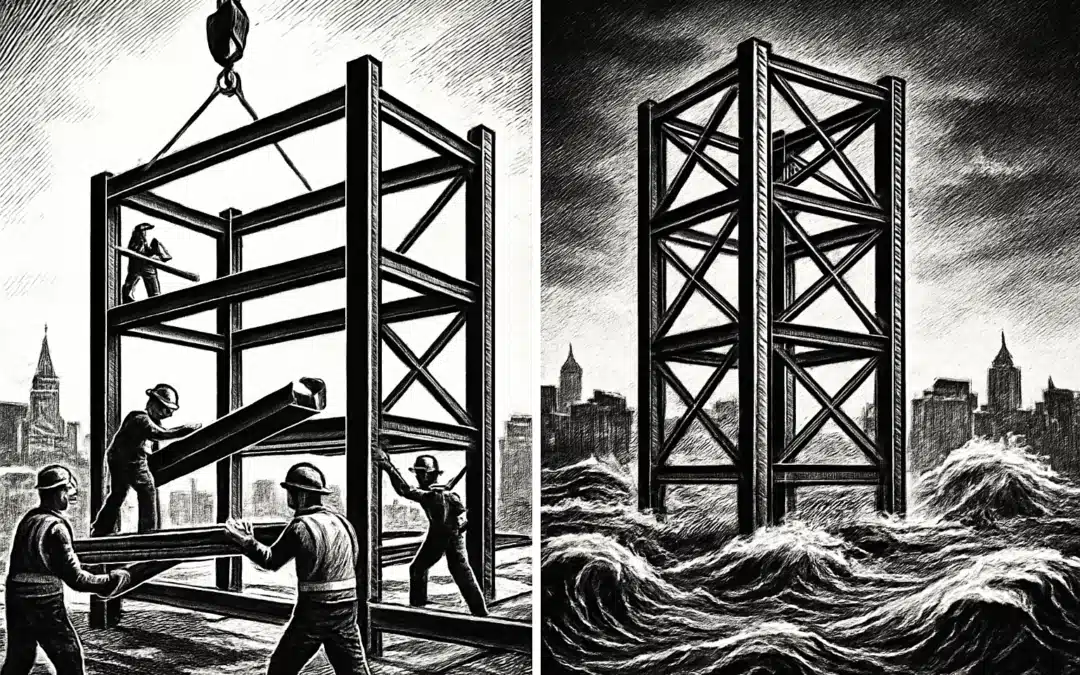
From single units to high-density apartment complexes, steel constructions flex their muscles in versatility. The ability to fabricate and assemble sections off-site in a controlled environment eradicates unforeseen conditions that traditional builds often face, like erratic weather or worksite mishaps.
Can Steel Structures Answer the Urgent Call for Sustainability?
Ever contemplated the green significance of your construction material choices? The construction industry contributes to nearly 40% of global emissions, and Canada’s mid-sized urban pivot provides a prime opportunity to reconfigure the norm to a more sustainable approach. This is where steel structures emerge as a substantial ally to the planet.
Steel is the prime example of urban evolution adapting to ecological efforts. It’s highly durable, equating to less frequent replacements and reducing resource consumption over the long term. Furthermore, it’s recyclable. Yes, that steel beam supporting your beloved penthouse might have existed in another structure in its previous life.
The carbon footprint of steel production has been on the decline for the past few decades, and modern steelmaking techniques contribute substantially less to greenhouse gas emissions. Whether you’re erecting a barndominium in British Columbia or a multi-unit residential building in Nova Scotia, choosing steel assures that you’re actively contributing to the fight against climate change.
What Does This Mean for the British Columbia Construction Market?
British Columbia, with many of its mid-sized cities experiencing significant densification, has become a focal point for steel construction. Given the increased interest in British Columbia steel buildings, developers can leverage this sustainable, cost-efficient construction method to accommodate the province’s ever-growing housing demands. Greater Vancouver, having set an affordable housing target of 85,000 units by 2026, could particularly stand to gain from the swift assembly and affordability promised by steel construction.
Looking Towards the Future
Given Canada’s urban trajectory, the prominence of steel construction may be more than just a passing trend. Instead, it emerges as a practical, eco-friendly solution to cater to rapid urban densification in an economically viable way.
Pro Tip for Developers:
Prioritize planning. Urban density increases bring significant challenges, but they also offer a golden opportunity to re-envision urban spaces. With modifications in approval processes and community engagement, developing modern, sustainable steel structures
can mark the beginning of a paradigm shift for mid-sized cities.
Join the Conversation
We’d love to hear your thoughts. How are you adapting your building strategies this year? Drop your insights in the comments section below.
Source: Read original article here.