Unlocking Development Potential in Northern Ontario: Cost-Efficiency, Speed, and Sustainability of Steel Construction
Canada’s real estate market is booming, and Ontario is no exception. But can developers handle the surge while maintaining sustainability and cost-efficiency?
The Impact of New Funding on Ontario’s Real Estate Development
As recently reported, a homebuilder based in Sault Ste. Marie, Ontario, has welcomed new funding from both federal and provincial governments intended to reduce municipal development charges. This financial lift could redefine the landscape of construction, offering an opportunity to revamp the building strategies employed by developers across Canada. But how exactly can these funds be put to optimal use in the real estate sector?
The answer could lie in steel construction—a method of building that optimizes cost-efficiency, speed of assembly, and sustainability.
Why Consider Steel Construction?
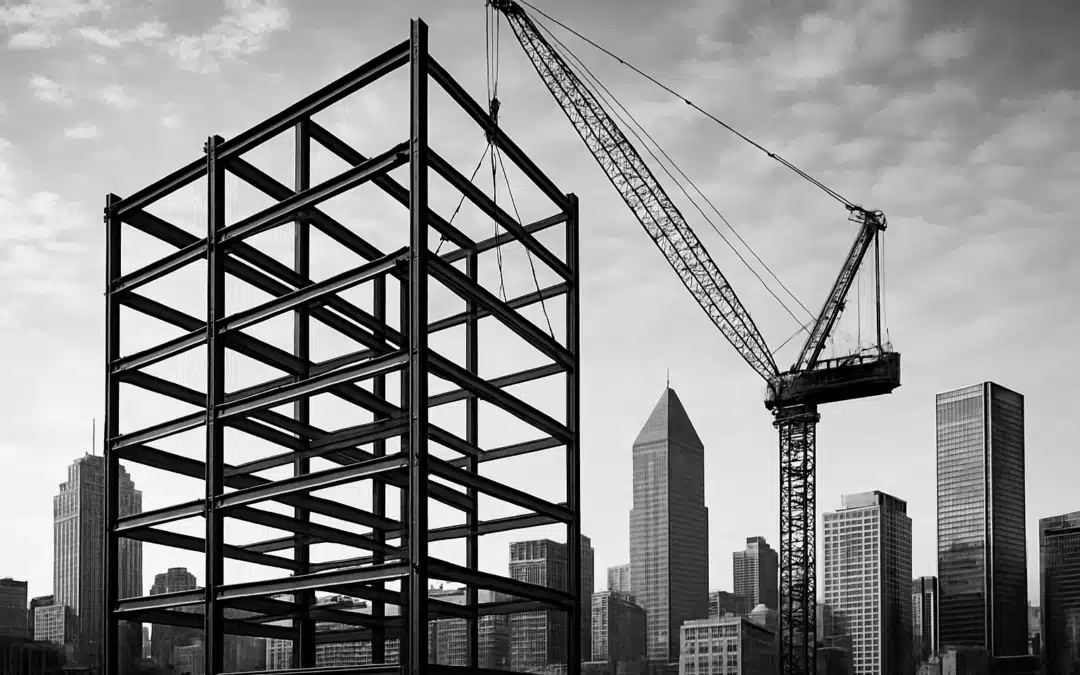
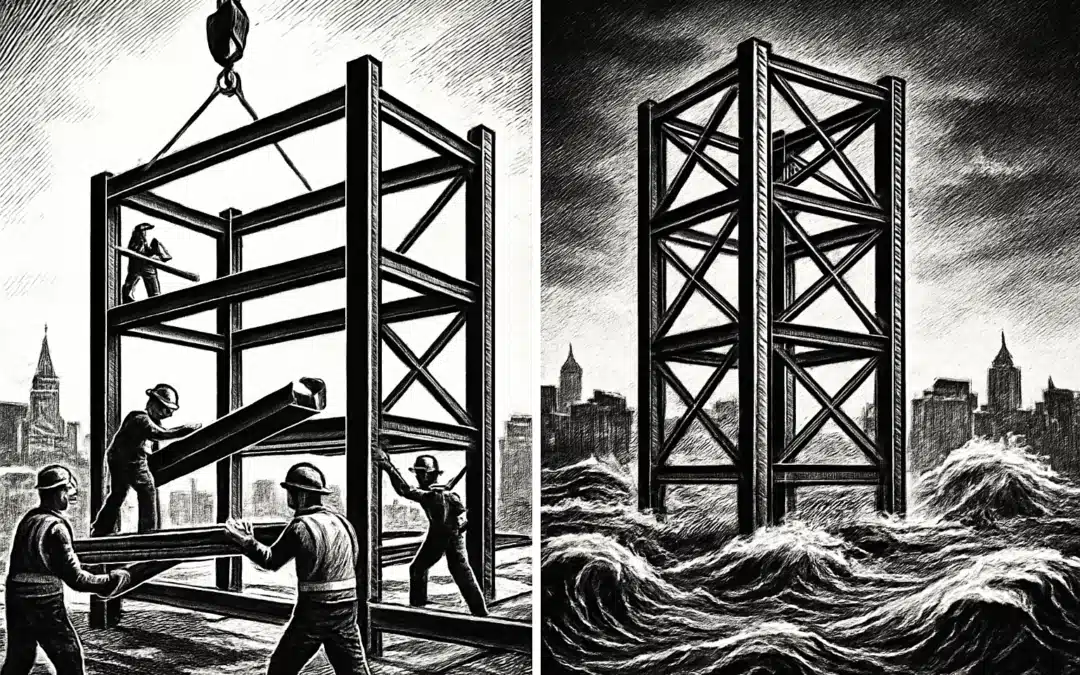
Think of building with steel as playing with industrial-grade Lego. It’s customizable, efficient, and can adapt to virtually any design, fitting the concept of each project like a glove.
Traditionally, construction in Canada has heavily relied on materials such as wood and concrete. But with the evolving market dynamics, it’s high time to consider steel—a material that outrivals others in terms of durability and environmental impact.
How Does Steel Compare to Traditional Materials?
When it comes to cost-efficiency, traditional construction materials that frequent Canadian buildings, such as timber and concrete, impose considerable expenses on developers. Not just in terms of material cost, but also in prolonged construction times, possible waste, and long-term maintenance.
On the other hand, building with steel has the potential to usher in a new era of cost-effective, efficient construction. The production and installation of steel building kits are streamlined and standardized, allowing for rapid assembly. This speed translates into lower labor costs, reduced waste, and notably fewer delays due to weather conditions.
These benefits aren’t only tied to urban development. In rural areas, where building materials may be difficult to transport or store, the ability to quickly assemble a steel building is even more advantageous. Take a look at this high-roof feed storage facility in Norfolk, it showcases the time and cost efficiencies of erecting steel buildings in remote locations.
The Sustainability Factor
As climate change continues to shape global policy, sustainability plays a crucial role in present-day construction practices. Steel, as a material, is highly recyclable, and the production processes used today are increasingly eco-friendly.
In Ontario, local manufacturers are leading the way in green initiatives, using methods that minimize the carbon footprint of steel buildings in Ontario.
How does this shift affect development strategy?
The influx of development funding shifts the focus towards more sustainable, cost-effective, and speedy construction methods. And with the potential benefits of steel construction just beginning to be realized, developers are poised to fully exploit this shift.
Taking advantage of steel construction doesn’t mean abandoning traditional materials entirely. It does, however, indicate the need for a balanced approach, recognizing the strengths of each material and using them accordingly.
Pro Tip for Developers: Instead of blindly following traditional construction practices, adapt a hybrid approach. Evaluate the strengths of materials like steel in their speed of assembly, cost-effectiveness, and sustainability. Implement them in your projects where they make sense.
We’d love to hear your thoughts on this developing situation. Are you adapting your building strategies this year? What does your ideal hybrid construction model look like? Please share your insights in the comments below.
Source: Read original article here.