Harnessing the Power of Steel: A Resilient Response to the Riverside South Population Boom
Did you know British Columbia’s real estate market escalated by a staggering 15 percent in the last year alone? This unprecedented surge is steering the Canadian construction industry towards remarkably innovative solutions, one of which is the utilization of steel structures. As the city of Ottawa forges ahead with its community centre and library project in the bustling Riverside South region, we see a golden opportunity to explore the profound possibilities of steel construction.
How Does Steel Alter the Landscape of the Canadian Construction Scene?
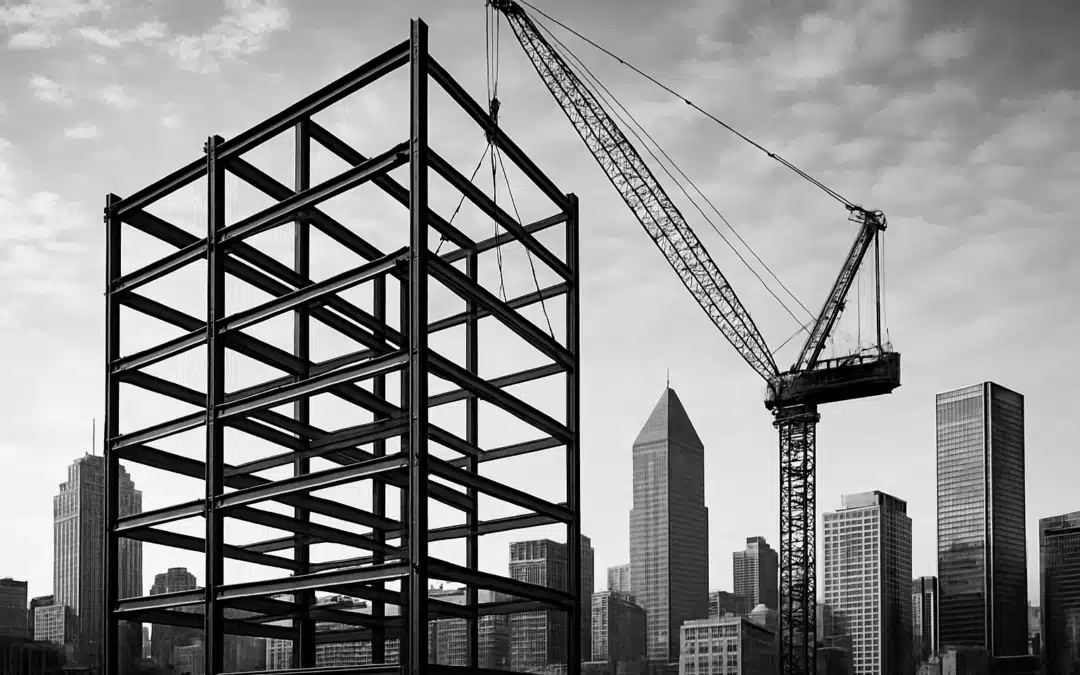
Steel construction brings transformative changes to the game. Its core attributes of cost-efficiency, quick assembly, and sustainability position it as a compelling contemporary choice for developers. It’s like trading in your standard sedan for an electric vehicle; you’re not just purchasing a new car, you’re investing in a better, greener future. In the same vein, transitioning to steel buildings is a stride towards environmental respect, cost mindfulness, and time efficiency.
Is The Price Right with Steel?
Cost is a paramount consideration in any construction project. Steel, despite the intimidating aura around its price, proves to be a budget-friendly option in the long run. It’s akin to purchasing an energy-efficient appliance; the upfront cost might appear high, but significant future savings overshadow the initial investment. Comparable to that, the durability and minimal maintenance costs associated with steel structures bring a high return on investment.
Are Steel Structures Actually Assembling at Warp Speed?
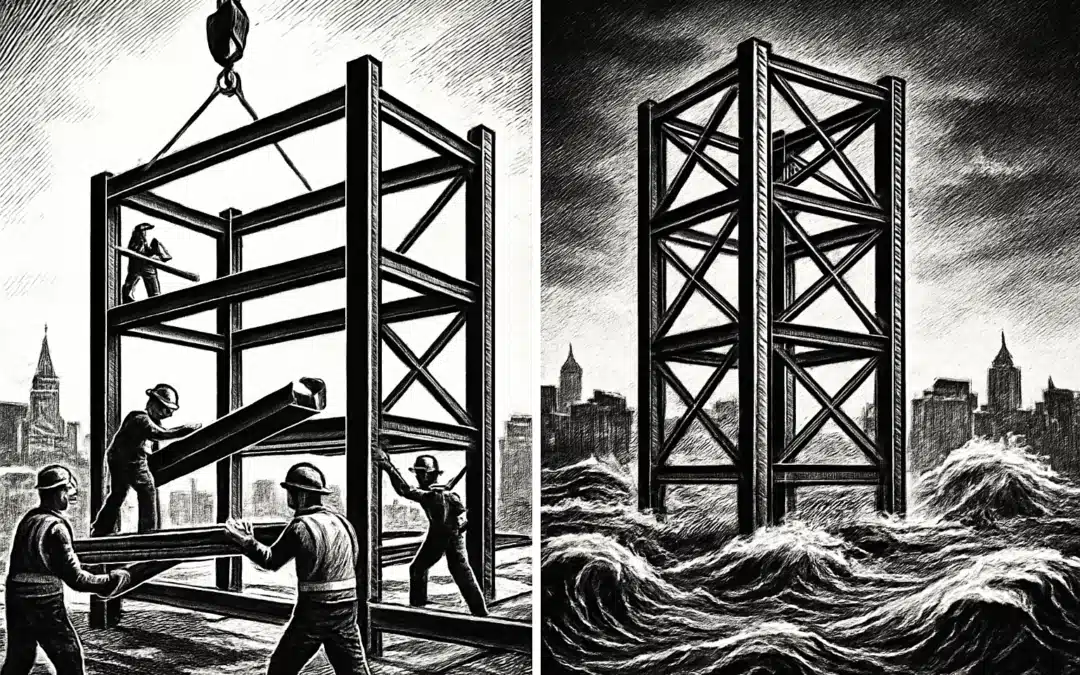
Simply put, they are. The speed of assembly in steel construction is a game-changer. Think back to the joyous hours spent playing with Lego kits. Much like those, steel structures comprise pre-engineered components which come together efficiently on site. Furthermore, unpredictable weather factors like those encountered in Northern Ontario’s snow-laden domains, hardly impact steel-build timelines.
Can Steel Paves the Way for a Sustainable Future?
Indeed, it does. Steel is 100% recyclable, and most steel structures contain over 25% recycled material. In a time where climate change is an unavoidable priority, the recyclability of steel makes it an appealing environmentally-friendly choice in the construction world. Using steel structures helps developers achieve their social responsibility goals and aligns them to a cause that is increasingly vital in today’s world.
The Canadian market, especially steel buildings in Ontario, are setting a mark with steel structures. The real-life examples of rapidly-built, efficient, yet sturdy buildings pose a testament to their potential. By exploring different steel-building kits, developers can test the waters before diving in full-scale.
Projects like the Riverside South community centre and library are not just community-building efforts; they are pivotal opportunities to drive the Canadian construction industry towards cost-effective and sustainable choices. Through the integration of steel structures, the construction landscape in Canada is ripe for innovation, rewarding both developers and the environment.
Source: Read original article here.
Pro Tip for Developers:
Considering the long-term returns and robustness, incorporating steel in building plans could be an economical, eco-conscious, and time-saving choice.
Call to Action:
How are you adapting your building strategies this year? Share your insights, and let’s foster innovation together!