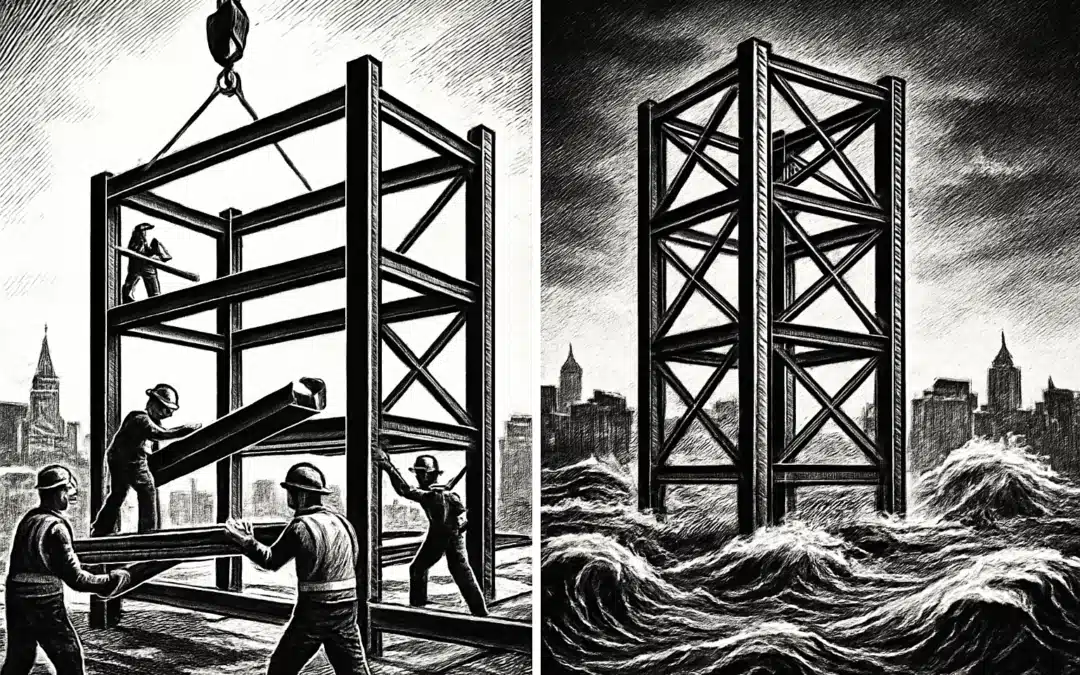
Choosing Iron Over Ivy: The Steel Solution to Canada’s Intensifying Allergy Seasons
How does the intensification of pollen seasons impact Canada’s flourishing construction industry? As strange as this question might sound, it points to a surprising reality that Canadian property developers must confront – the interconnectivity between allergy seasons, climate change, and the construction industry.
How Are Longer Allergy Seasons Impacting the Construction Industry?
Allergy seasons are getting more severe and elongated in Canada. Over the past years, we’ve observed cities like Vancouver become B.C’s allergy hotspots, impacting residents’ quality of life and shaping how we live in our urban spaces. Climate change, the driving force behind these allergy-prone changes, sends a compelling message to property developers: adapt or face the consequences.
High pollen levels not only affect allergies but also the construction industry. Pollen can adhere to construction materials, leading to higher cleaning costs and unnecessary disruptions. Wet seasons stimulate mold growth, especially in wood, an extensively used construction material in the Canadian real estate market.
What Is the Steel Solution?
Enter steel—the cleaner, quicker, and cost-efficient building solution. Describing building with steel is akin to playing with industrial-grade Lego – a systematic, simplified approach that takes efficiency to new heights.
As opposed to wooden constructions, steel structures are essentially pollen- and mold-resistant. They offer better resilience against varying climate conditions, and their assembly times, notably shorter than traditional construction methods, allow developers to navigate unanticipated weather changes smoothly.
The Economic and Environmental Pros of Steel Buildings
Choosing steel over wood offers more than just shorter construction times. It gives developers greater cost-control throughout the project. Prices of lumber fluctuate unpredictably. However, steel often provides much-needed cost-stability.
Moreover, from an eco-conscious perspective, the sustainability quotient of steel is impressive. Steel buildings significantly cut down on waste, thus reducing a project’s carbon footprint.
Not just the green-policy advocates, but, the Canadian government, too, has been encouraging leaner, more sustainable construction practices. Selecting steel helps developers avoid environmental penalties and contribute to Canada’s overarching goal of achieving carbon neutrality.
Is the Shift from Wood to Steel Evident in Ontario?
The short answer is, yes! Steel has made its strong presence felt all across Canada, and Ontario isn’t an exception. Across the region, we’re witnessing a construction crescendo with steel buildings. Our recommendation for developers looking to build commercial or agricultural structures efficiently is this 50x40x14-ft steel building kit.
Take, for instance, the city of Cobourg. It has seen an increase in steel-based farm workshop storages, showing the agricultural industry’s leap towards steel architecture. Equally praiseworthy is the rise in the number of robust steel buildings in Ontario, indicating that this transformation isn’t exclusive to the agricultural sector but widespread.
How Does the Future of the Construction Industry Look in this New Climate Reality?
The more severe allergy seasons get, the more the construction industry will be inclined to shift from wood to steel construction in the years to come. Adaptations aren’t just about surviving but about thriving–a maxim that holds for individuals suffering from allergies, as well as for real estate developers facing the wave of change.
Pro Tip for Developers: With the counting costs of cleaning, increased construction time, and an environmental toll associated with wood-based construction, the switch to steel is the way forward. Climate-smart construction ensures longevity and fosters industry resilience.
What building strategies are you adapting this year to counter these shifts? We invite you to join the conversation in our comments section below.
Source: Read original article here.