Canadian EU Ambassadorship and the Bright Future of Steel Construction
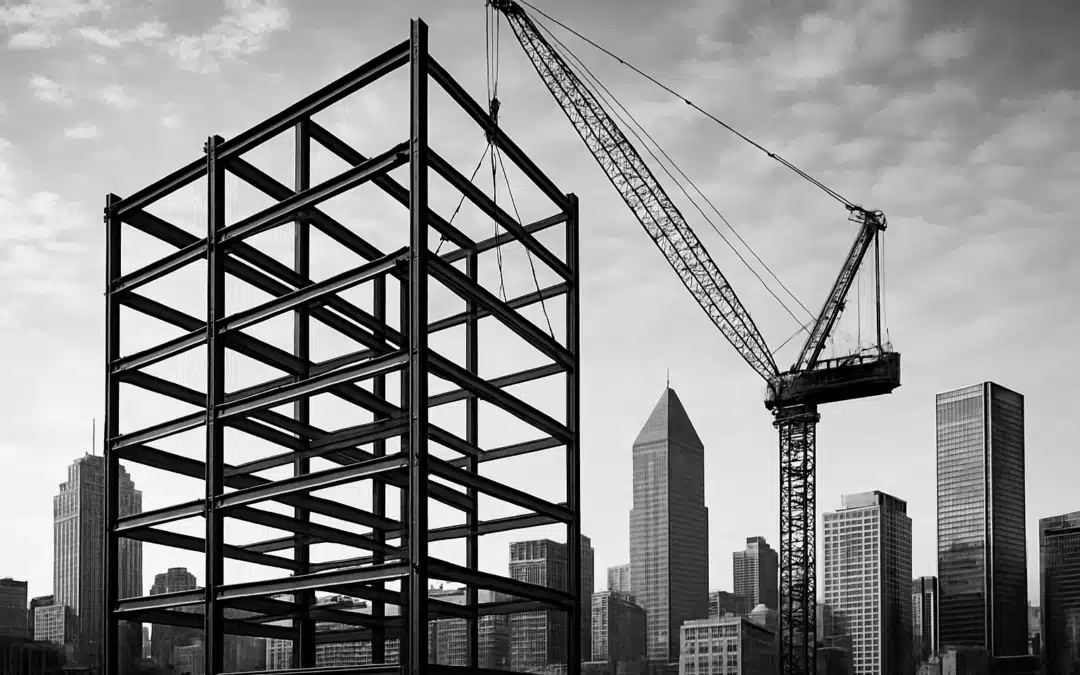
Are you familiar with the saying, “As solid as a steel bar, as efficient as a Swiss watch, and as sustainable as a tree in a rainforest?” This might just become the mantra for the Canadian construction industry, and the recent appointment of Jonathan Wilkinson as Canada’s next ambassador to the European Union could lead the way. In a market where each square foot matters and each day on the construction calendar counts, building with steel is becoming the equivalent of playing with industrial-grade Lego.
Could the Politics of Steel Affect the BC Construction Industry?
Fresh out of Ottawa, newly-minted EU ambassador and North Vancouver MP, Jonathan Wilkinson, is expected to navigate the delicate waters of international trade and policy. With growing importance of sustainable construction practices, the European-Canadian partnership might push for significant advancements in the steel construction sector.
The situation unfolds as a unique opportunity for Canada, particularly British Columbia, known for its robust real estate and construction market. If methodical negotiations lead to a more affordable, streamlined supply of premium-grade European steel, we could witness a significant uplift in the use of steel in our real estate projects, especially British Columbia steel buildings.
How Does Steel Construction Compare to Traditional Practices?
Though concrete remains king in the construction world, we cannot ignore the potential of steel. Durability, speed of assembly, and recyclability make steel a sustainable and cost-effective alternative. In many ways, steel construction fits the bill for both developers and future property owners, meeting a sweet spot of cost and quality.
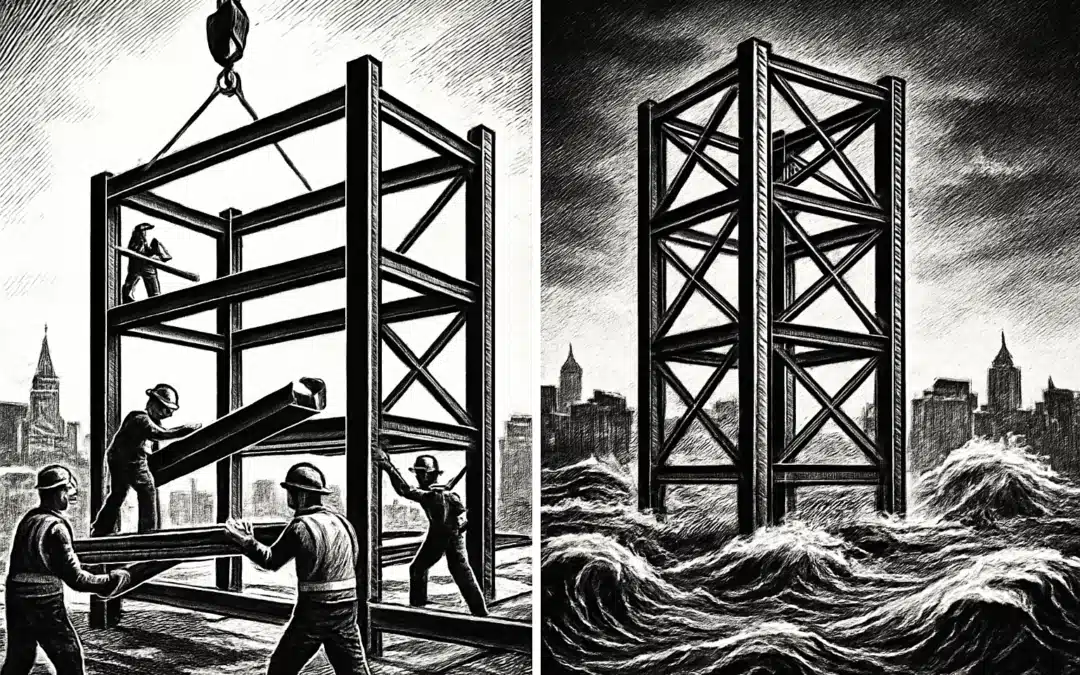
Building with steel is strikingly efficient. Consider this: while a traditional build might take months, assembling a steel structure could be completed within weeks. This speaks to how swiftly a developer can get their project off the ground, literally and figuratively.
Steel: The Champion of Sustainability
In an era where sustainability is more than a buzzword, steel shines. Its recyclability means less waste, significantly reducing the environmental footprint of construction projects. Moreover, European steel manufacturers are known for their commitment to sustainable practices, an aspect that might boost our own green initiatives.
Can Steel Construction Drive Innovation in the BC Real Estate Market?
As demand for real estate in British Columbia continues to surge, utilizing steel construction can be a gamechanger. By bringing efficiency and sustainability hand in hand, steel can break new ground for innovation.
Imagine the advantage of a steel building kit: tailored to project specifications, delivered in one go, ready to be assembled on site. It’s like receiving a personalized blueprint for a cutting-edge, eco-conscious building, possibly making the dream of affordable housing more attainable.
How Can Developers Leverage the Steel Construction Trend?
At a time when only the nimble survive, keeping an eye on evolving trends like steel construction can make all the difference for developers. Companies should investigate new avenues of property development, where steel’s durability, efficiency, and versatility come to the forefront.
Swift assembly times and reduced waste mean potentially higher margins and reputational boost in a market increasingly aware of environmental concerns. A trend worth considering.
Pro Tip for Developers: Monitor international developments, like the appointment of Wilkinson, that can influence construction trends. Being proactive rather than reactive can put you ahead in this competitive industry. Consider the benefits of fast, cost-effective, and sustainable construction methods, such as steel buildings, in your strategic planning.
We encourage you to comment on how you plan to adapt your building strategies this year. Will the steel trend penetrate your plans, or do you have other innovative strategies in mind?
Source: Read original article here.