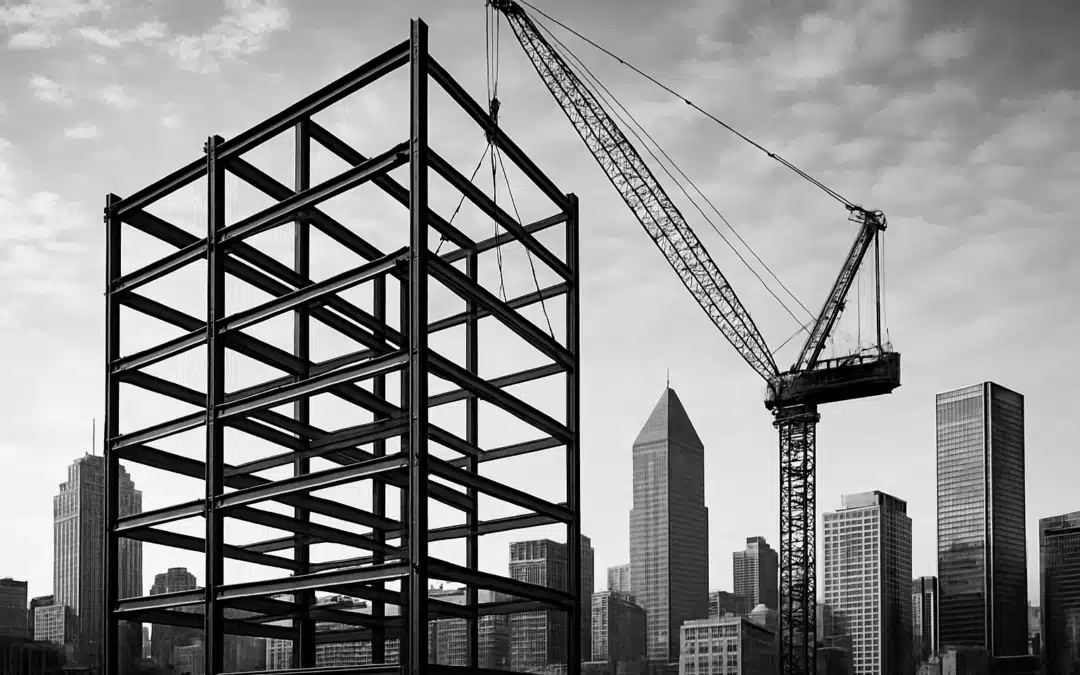
Shaping the Iron Landscape – Strategic Shift towards Steel in British Columbia’s Construction Industry
Have you ever paused to appreciate the fascinating symphony of steel that surrounds us every day? Those infrastructural masterpieces that house our schools, offices, and homes? Modern real estate doesn’t erect itself; behind every new structure stands a legion of design experts, architects, and engineers, tirelessly working to breathe life into lifeless steel frames.
Recently, a mother-daughter team from Penticton, B.C., found themselves embroiled in an immigration row in the US. Although this story might seem disconnected from the Canadian real estate industry, their B.C. roots reminds us that residence-related hurdles reach far and wide. It’s also a timely reminder that home, and the stability it offers, is paramount.
Is Steel the future of BC’s Real Estate?
British Columbia’s real estate industry is a dynamic monolith, continuously evolving with the changing times. One emerging trend that’s stirring particular interest among architects and builders is the shift towards constructing steel buildings. This trend, though nascent, has substantial potential to transform the face of real estate market in B.C.
Steel buildings are an epitome of cost-efficiency, assembly speed, and sustainability – tri-part ticket often elusive in traditional construction methods.
Why is Steel Gaining Popularity?
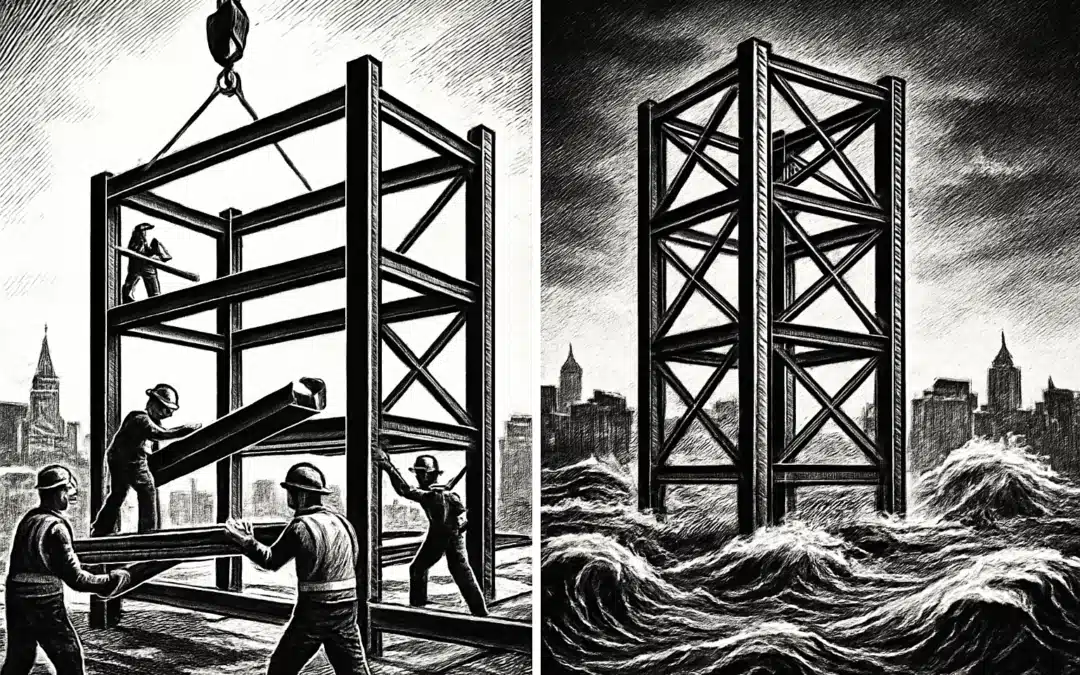
Think of building with steel as crafting with industrial-grade Lego – a simpler, smarter, and structurally-sound way of creating. The cost of erecting regular buildings is often laden with unpredictability due to factors like labour cost and materials wastage. Steel construction, on the other hand, offers predictability and control because nearly everything is pre-engineered in a controlled setting. In terms of financial prudence, it’s like hitting the jackpot!
The speed of assembly is another feather in steel’s cap. With shorter construction timelines, developers get a quicker return on investment, and businesses can commence operations faster.
Scrolling towards sustainability, steel checks all the boxes. Steel is perpetually recyclable, and fabricated structures reduce waste significantly. In short, steel buildings are a love letter to the environment.
What are the Long-Term Implications for the Canadian Construction Industry?
As developers increasingly embrace this steel evolution, we expect to witness the ripple effect across the Canadian construction industry. The affordability and speed of steel construction could spur faster urban development and rural revitalization. British Columbia steel buildings are poised to set a precedent for other provinces, encouraging nationwide adoption of this architectural revolution.
The transition to steel may also amplify Canada’s commitment towards carbon neutrality. Companies focusing on steel building kits, such as ours, promote reusable material – a significant stride toward sustainable construction.
How Will This Shift Impact Residential Housing in BC?
As we lean towards steel structures, we expect redefined aesthetics and increased versatility in housing designs. A growing popularity of house styles like “barndominum” typify the enthusiasm in the residential sector. Increased interest and acceptance will enhance the breadth of options not just for builders, but also for prospective homeowners.
Pro Tip for Developers: Brace Up for Steel
Embrace the change, architects and design experts. Pre-engineered steel buildings are promising a brighter, greener, and more cost-effective future. Familiarize your teams with steel structures to harness this constructive revolution.
What about you, readers? How are you adapting your building strategies this year? Are you considering transitioning to steel buildings? We value your thoughts and opinions. Please do leave a comment and let’s continue this conversation.
Source: Read original article here.