Redefining Real Estate: How The Tiny Village Project for Unhoused Veterans in London Strengthens the Case for Steel Construction
Can we rethink housing solutions while maximizing cost-efficiency, assembly speed, and sustainability? It’s time we gaze beyond traditional construction methods to delve into the burgeoning era of steel structures in real estate. This was underscored by the recent announcement about a supportive housing project for probably the most needing: unhoused veterans.
What Makes Steel Construction the Answer?
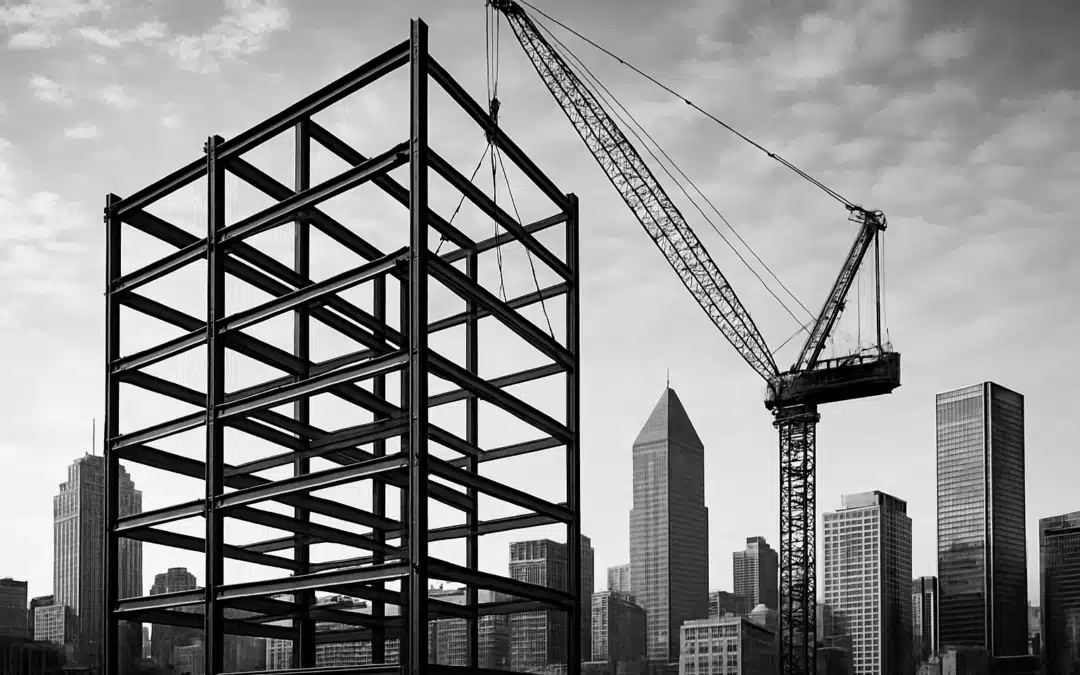
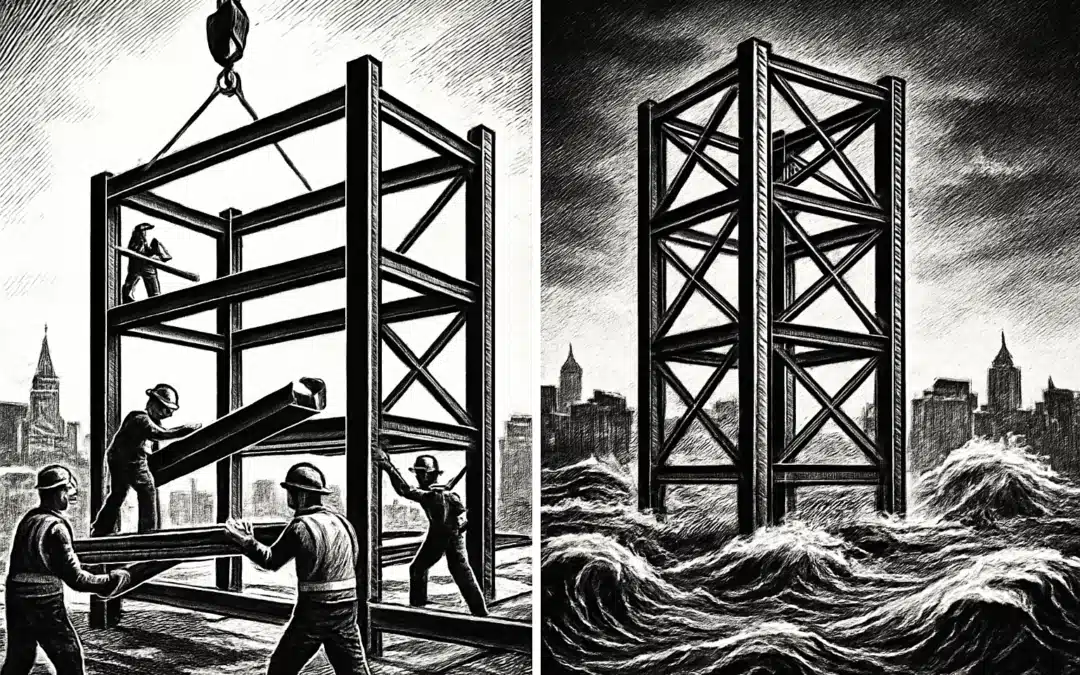
When compared to traditional construction materials such as wood or concrete, steel poses several attractive benefits. Metaphorically, building with steel is akin to playing with an industrial-grade Lego set.
Steel’s strength and durability promise a habitable environment that can withstand extreme Canadian weather conditions. Additionally, steel structures offer unparalleled cost-efficient and time-saving advantages. Right from being produced in controlled factory environments to ensure superior quality to providing easy-to-assemble kits, steel is undoubtedly the material of the future.
The Sustainability Factor: Why is Steel the Green Material of Choice?
Beyond efficiency and speed, there’s a third, perhaps more compelling driver for the shift towards steel: sustainability. The construction industry contributes significantly to global CO2 emissions, and actively switching to steel overtly tackles this issue. How so?
Every piece of a steel structure arrives pre-fabricated and ready for assembly resulting in almost zero waste on-site. Compared to the wastage produced by conventional wood construction, this is nothing short of revolutionary. Inherently, steel is recyclable too, creating a cyclic economy that’s a win-win for humans and the environment alike.
A Case Study: A Tiny Village for Veterans
How Does This Reflect In The Unhoused Veteran’s Housing Project?
Particularly intriguing is how the context of this article meshes with steel construction. The veteran supportive housing community project in London is emblematic of how steel structures can revolutionize the construction and real estate market, particularly in Canada. Such projects raise the bar for affordable, sustainable housing, coinciding with our federal goal of ending homelessness.
To further exemplify this shift, one needs to look at the rapid expansion and range of steel buildings in Ontario. These structures are resilient, affordable, and ready-to-assemble, offering new opportunities for addressing housing needs. The real estate and construction industries can mimic the methodology deployed in London’s project for efficient housing solutions across Canada.
What Does This Mean For Local Builders?
Building contractors and developers should start considering steel as the fulcrum for their next projects. Local contractors in St. Thomas, for example, have led by example, constructing custom spaces like man-caves and workshops with steel, signifying its flexibility in design and function.
Real estate developers must thus adapt to these advanced building strategies. By incorporating steel building technologies into future developments, they can realistically address housing demands, sustainability concerns, and the overall quality of built space.
Pro Tips for Developers:
Re-examine traditional construction methods and embrace the adaptability, sustainability, and efficiency of steel construction. Consider kits of steel building for prompt delivery and easy assembly, as seen in the current London Tiny Village project.
As a developer, have you initiated changes in your construction strategies to align with this shift? Comment below to share your thoughts.
Source: Read original article here.