Forging the Future: How the 2026 FIFA World Cup Can Shape the Canadian Construction Industry
Have you ever wondered how large-scale events, such as the FIFA World Cup, influence the construction landscape of a host country? The cost of hosting a mega event in a city doesn’t merely revolve around organizing games; it significantly impacts the infrastructure, stimulating broader ramifications in the construction industry.
A case in point is the upcoming World Cup 2026, where Canadian cities like Toronto and Vancouver are major hosts. Interestingly, Montreal won’t be a participating host city due to substantial financial implications and stringent conditions levied by FIFA. This scenario paves the way for an in-depth interrogation of the long-term influence of such events on the Canadian construction industry, especially in the advent of steel structure assemblage.
Why Is Steel Construction in the Spotlight?
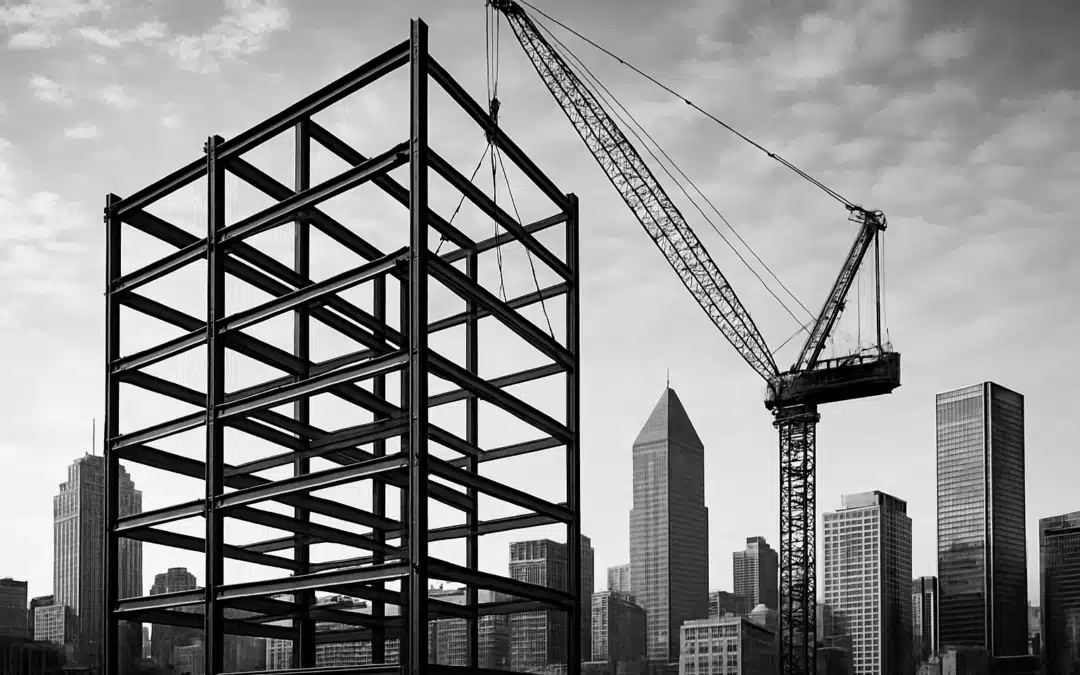
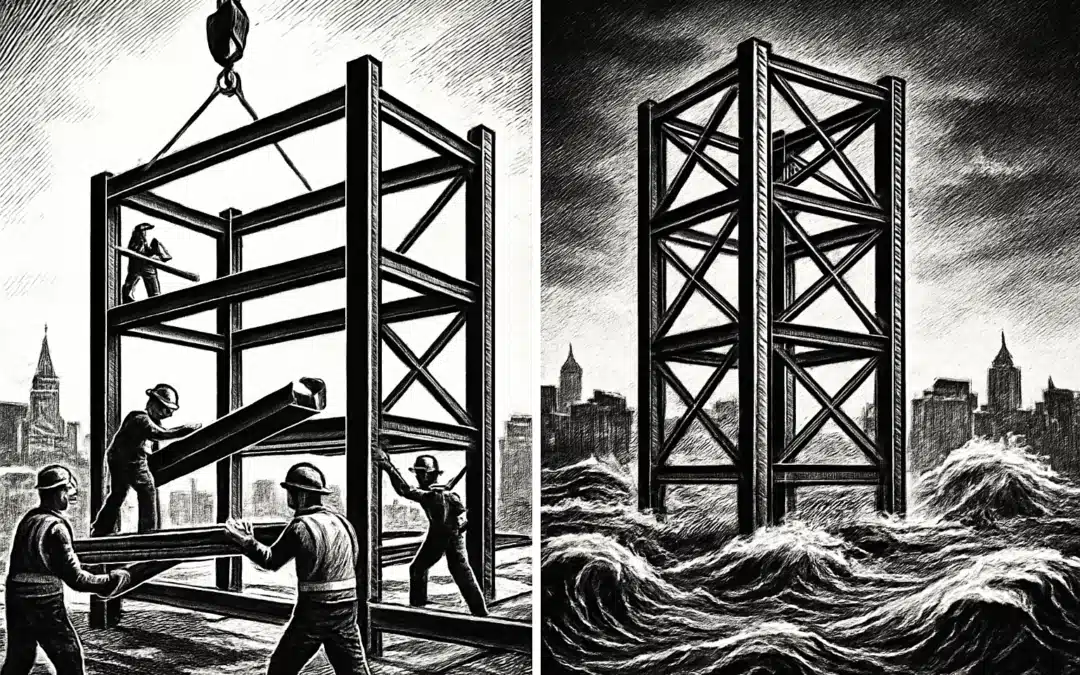
In contemporary times, the construction industry is standing at the crossroads of an impending revolution — steel structures. Often compared to playing with industrial-grade Lego, steel structures offer compelling advantages over traditional building materials like wood or concrete. It is a trifecta of affordability, swift assembly, and sustainability.
Will Massive Events Drive the Shift to Steel Structures?
With the enormous investment in infrastructure that events like the World Cup demand, it’s no surprise that cities and nations are seeking more cost-effective, swift, and environment-friendly solutions. Here’s where steel structures can enter the frame, changing not only how we build but also what we conceptualize as efficient infrastructure.
The $1 billion price tag for hosting just 13 games in Canada underscores the immense financial pressure these events can exert. Steel structures might be the antidote needed to circumnavigate these financial challenges due to their cost-effectiveness and swift construction process.
How Could Steel Construction Revolutionise Real Estate in British Columbia?
Speaking of the real estate development in British Columbia, where Vancouver is a host city, there is an undeniable opportunity for steel to take center stage. A steel building kit offers unparalleled speed of assembly, drastically reducing the time needed to complete real estate projects. It enables builders to meet the aggressive timelines typically associated with mega events like the World Cup.
Additionally, steel buildings are sustainable structures, making them appealing in a region like BC that values environmental preservation. The province is already stepping up steel buildings in Ontario as a preferred solution for industrial structures and commercial establishments.
Could Ontario be the Next Hub for Industrial Steel Construction?
Stepping eastwards, Toronto is another key host city for the World Cup. Known for its sturdy structures, the city might take a hint from its Western counterparts and further leverage sustainable, quick to erect steel buildings in Ontario.
Such constructions could serve as multifunctional venues, not only for mega sporting events but also as commercial and industrial spaces. Imagine an industrial-grade, maintenance-friendly 24×30 maintenance shop transforming into a practice arena for high-profile sports events!
As we navigate towards greener infrastructure and sustainable real estate development, the rising prominence of steel can’t be overlooked. It personifies the evolution of the construction industry, encapsulating modern demands more accurately.
Pro Tip for Developers: The building blocks of tomorrow’s infrastructure lie in today’s materials choices. As designers, builders, and proprietors, our willingness to embrace revolutionized materials, such as steel, can play a critical role in defining our real estate legacy.
What transformation do you foresee in your building strategies this year? Share your thoughts and experiences in the comments section; we’re eager to learn from a diverse group of experts in the industry.
Source: Read original article here.