Old School Buildings and New Horizons: The Rising Potential of Steel Construction in Canadian Housing
Do you remember those suspenseful moments in chess where just one move can flip the game? The Canadian real estate market is having a similar moment. For instance, did you know that the former J.E. Benson public school, located in Windsor, Ontario, was just up for sale again, with a price tag of $4 million? But perhaps the more interesting aspect here is not just the sale, but also the proposal of converting the property into housing.
Is repurposing old institutions like the J.E. Benson school the way forward?
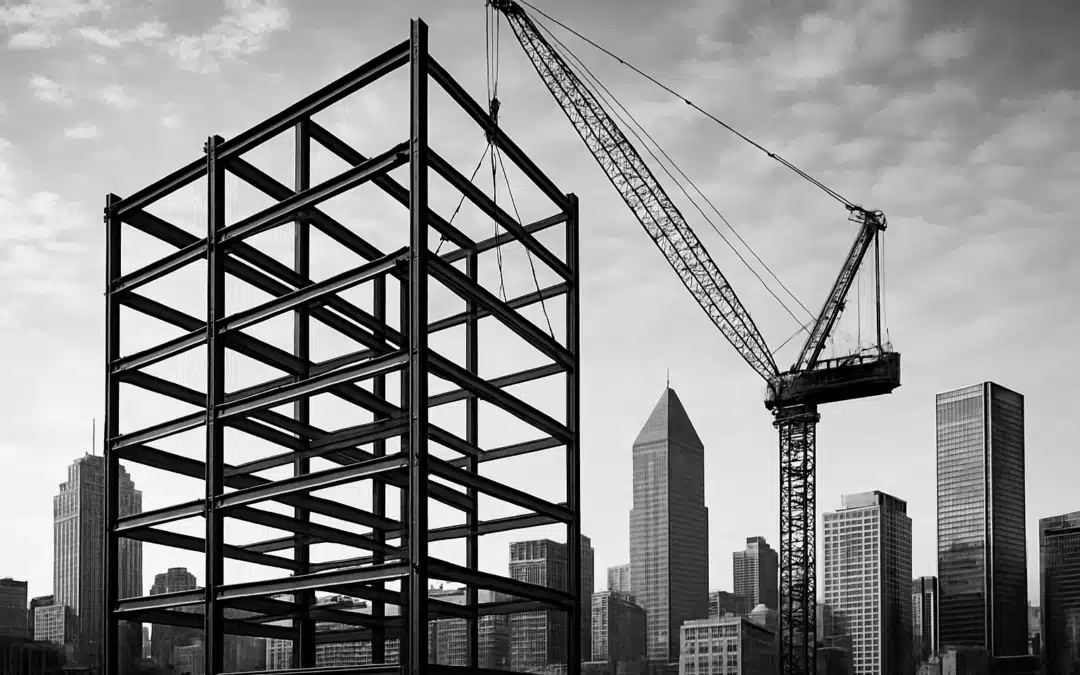
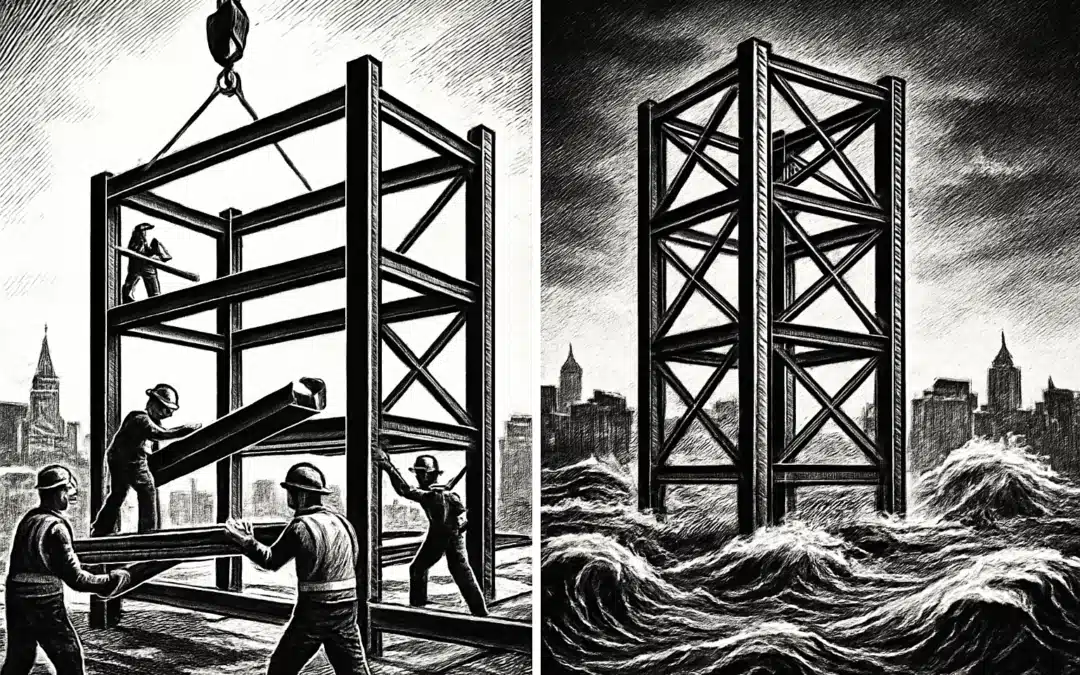
There’s a significant transformation happening in how we repurpose public institutions and develop urban living spaces. The idea of converting the former school into residential housing – specifically steel-structured houses – introduces a compelling new narrative.
Why steel-structured housing?
As housing needs grow and evolve, creativity and innovation in construction become crucial. And that’s where steel presents its advantages.
What advantages does steel offer?
1. Cost-Efficiency
Regardless of scale, investors invariably analyze potential returns versus investment costs. Steel-structured buildings significantly reduce construction costs compared to traditional concrete. From reducing the need for extensive foundation work to minimizing costly delays with quick assembly, using steel amounts to sizeable savings. For a case in point, look at the cost-effectiveness of this 16×24 small engine repair shop built in Hawkesbury, ON.
2. Speed of Assembly
In the construction industry, ‘time is money’ is more than just an adage. Steel structures offer a faster turnaround from blueprint to reality. Pre-engineered steel building kits, like this 50x100x16 ft steel building kit, are testament to quick assembly.
3. Sustainability
With climate change front and center in all industries, the construction sector isn’t immune. Steel stands out as an environmentally friendly option because of its recyclability. Plus, modern steel buildings offer excellent insulation, enhancing their energy efficiency.
Can steel construction be considered a regional solution?
Canada is vast, and regional differences exist even in construction needs. In Ontario, for instance, the demand for sustainable and adaptable construction solutions is evident. Over the years, we’ve seen an increase in steel buildings in Ontario, reflecting the trend and willingness to adopt.
While the benefits of steel construction cannot be overlooked, market trends reflect that even residential projects are leaning towards steel. Check out some residential steel projects which provide a great alternative to traditional houses.
This new trend of modular steel housing not only transforms the cityscape of Windsor but also paves the path for urban development for the entire nation. Repurposing institutions like J.E. Benson school could ultimately contribute to a new, sustainable urban landscape.
Pro Tip for Developers
For developers, steel’s versatility, cost and time efficiency, and sustainable traits undoubtedly make it a worthy consideration. Seeing through the lens of a chess player, steel could certainly be your next game-winning move in the real estate market.
We invite you to reflect on how you are adapting your building strategies this year. Are steel structures part of your game plan? Comment below and let the dialogue begin.
Source: Read original article here.