Steel: The Harmony of Speed, Sustainability, and Cost-Efficiency in Canadian Construction?
What if we told you that the real estate market, just like the harmony crafted by a proficient choir, demands as much meticulous balance? Well, understanding this could be the key to unlocking your investment potentials.
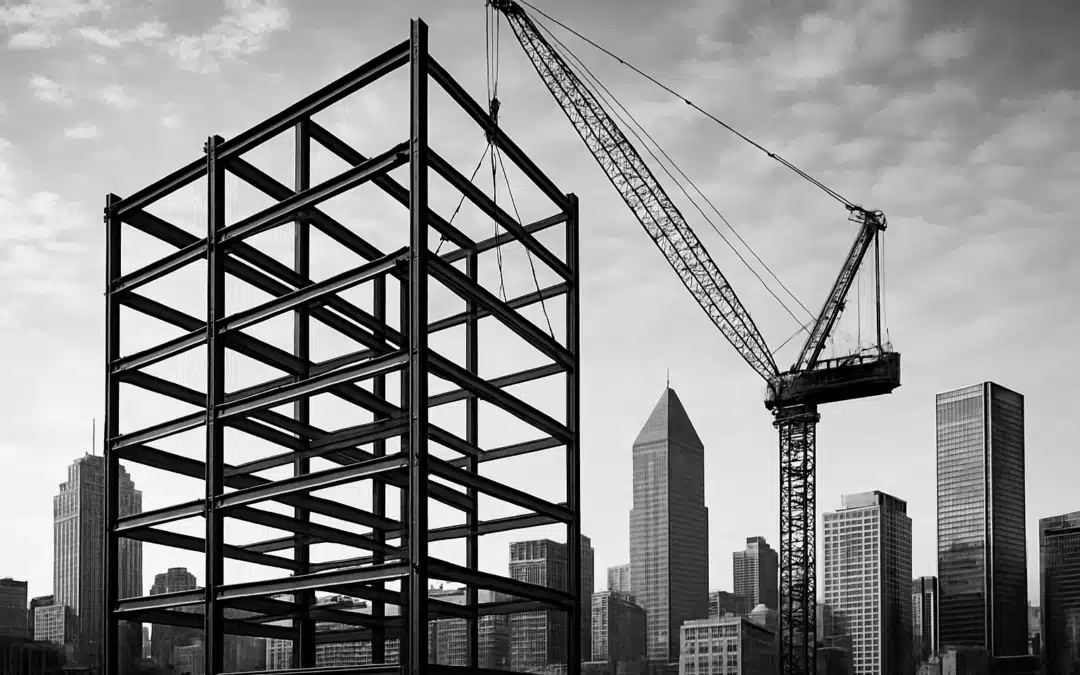
In the Canadian real estate market, echoes of the Twin City Harmonizers resonate. Just like this renowned group has beautifully sustained its harmony for eight decades, Canada’s construction landscape needs a similar, sustainable, and harmonious blend. Enter steel construction, the multi-tonal solution that offers cost-efficiency, rapid assembly, and sustainability in commercial and residential building.
Is Steel the Future of Canadian Real Estate Construction?
In essence, adopting steel is like playing with industrial-grade Lego. It offers a highly modular and efficient approach that enables constructors to create versatile designs rapidly.
Building with steel offers an impressive level of speed and flexibility that few other materials can match. This speed translates into significant cost-efficiency gains, as time savings equate to cheaper labor costs, lower potential for project overshoots, and quicker rental or sales turnovers.
Yet, the question remains, does it deliver a long-term ROI to justify the initial price tag associated with steel building kits?
What Does Steel Offer in Terms of Sustainability?
Recently, the focus of real estate developers has shifted towards eco-friendly solutions. Luckily, steel perfectly dovetails with this trend.
Manufacturing steel allows for a reduced carbon footprint compared to other materials like concrete. Considering the heightened focus on environmental responsibility, the enhanced sustainability factor will undoubtedly increase the appeal of steel buildings in Ontario.
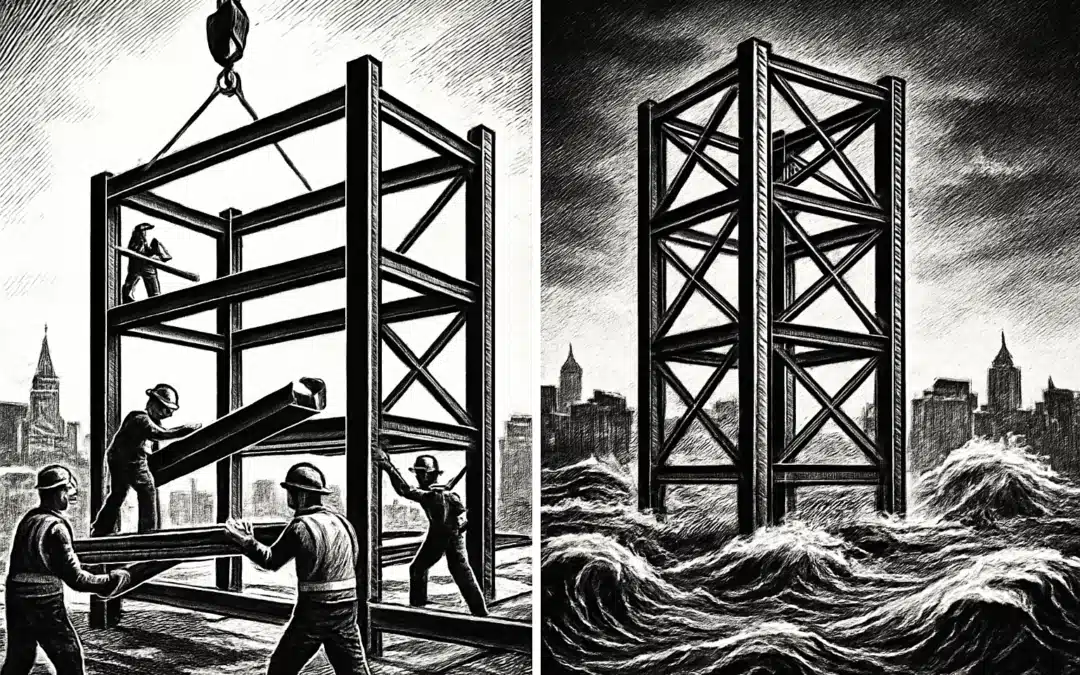
Additionally, steel structures are highly desirable because of their durability and resistance to natural forces such as wind, fire, and earthquakes. With a robust steel base, developers can trust their structures will stand the test of time, offering significant longevity benefits.
How Can Steel Influence Building Strategies?
Imagine being able to construct large-scale buildings in a fraction of the time? With a pre-engineered steel building kit, this is no longer a pipe dream.
Modern steel structures boast significant advancements over the steel buildings of decades past. Their aesthetic appeal has vastly improved. Moreover, developers can easily tweak designs to fit into residential, commercial, and industrial market trends.
A successful example of such adaptability can be found at a multi-unit business startup plaza in Clarington, ON. Here, steel structures blend perfectly into the local architecture and business needs, offering quality infrastructures ready for immediate occupation.
Cost Efficiency and Speed: The Unbeatable Duet?
At the end of the day, cost efficiency and speed of assembly are indisputable advantages of steel construction. The growing demand for quick-to-market spaces combined with slimming budgets under escalating economic pressures emphasizes these advantages. They could potentially drive a surging wave of steel construction across Canada’s real estate landscape.
Pro Tip for Developers: Consider morphing your building strategies to integrate steel construction. Examine how steel infrastructure can streamline your projects, reduce costs, and contribute to environmental conservation.
Your Building Team cordially invites you to share your thoughts and insights on how you adapt your building strategies this year. Are you considering increasing your focus on steel? How do you perceive the cost/benefit scale tipping when moving towards steel construction?
Source: Read original article here.