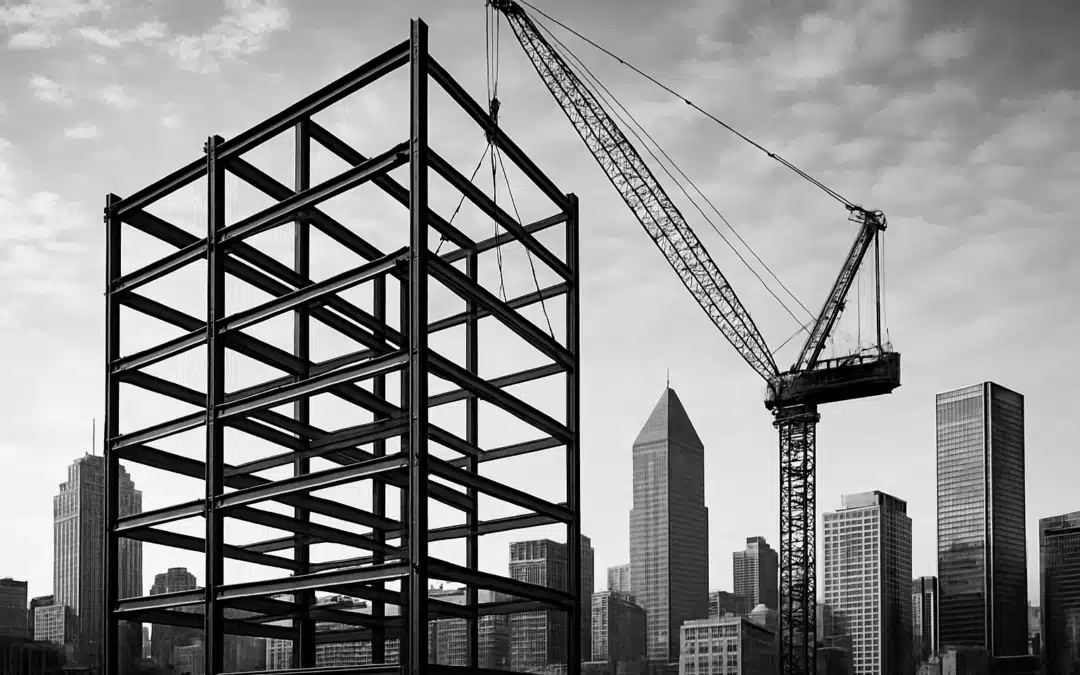
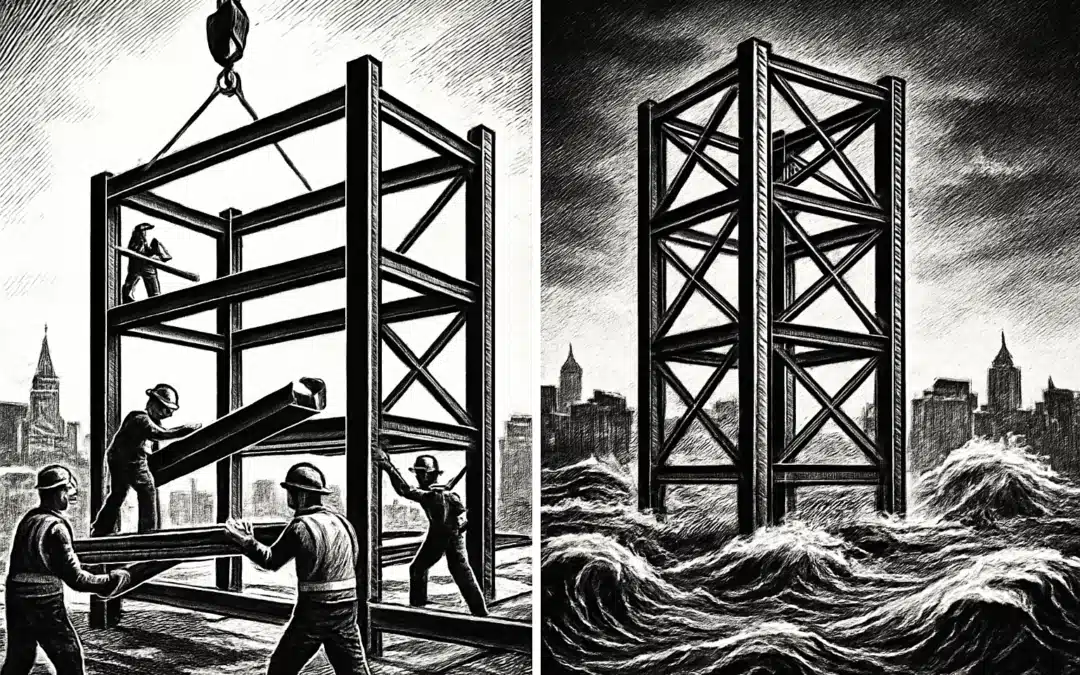
Storm-Proofing the Future of Construction: Dealing With B.C. Coastal Weather in Steel
Could climate resilience be a gamechanger in the B.C. real-estate market? As prolonged storms threaten coastal British Columbia, the time has come to re-evaluate how the construction industry responds to these mounting threats. Long-term, this push towards sustainable, cost-efficient, and risk-adverse building could bring steel structures to the forefront of the building sector.
Why Are Steel Structures the Antidote to B.C. Coastal Weather?
Steel structures, often likened to playing with industrial-grade Lego, have been gaining traction for their remarkable resilience, especially in harsh weather conditions like the B.C. coastal region. This is not just due to its strength, but its ability to withstand wind loads and seismic forces make it a superior choice.
Going beyond this, steel is also laudable for its sustainability and speed of assembly. Fast-tracked construction timelines and reduced waste make it an appealing and cost-effective solution to potential disruptions in building schedules caused by weather-related issues.
Cost-Efficiency: Is Steel Really the Affordable Option?
Despite common misconceptions, steel structures can be highly cost-effective. Interim costs associated with delayed construction caused by inclement weather can pile up quickly. With steel buildings, assembly can often continue despite adverse conditions, eliminating these expenses. Moreover, the long-term durability of steel constructions reduces the need for costly maintenance or replacements, adding a layer of economic viability absent in traditional building methods. For detailed expenses related to steel structures, consider checking out this comprehensive steel building kit pricing.
What Does This Mean for Sustainability in Construction?
In a world increasingly cognizant of the environmental footprint, steel is sustainable in several ways. Steel buildings can be insulated to significantly cut heating and cooling expenses, reducing carbon emissions on the whole. In this respect, British Columbia steel buildings have a critical role to play in the global climate solution.
Moreover, steel is recyclable, contributing considerably less waste to our already burdened landfills. Storm-proofing our future constructions with steel can essentially create a closed-loop system where we consistently reduce, reuse, and recycle, a critical step in earth-friendly construction.
Revamping Zoning Laws: A Necessary Measure?
To accommodate this shift to steel, some believe zoning laws require updates. Construction rules explicitly guiding steel buildings can provide the necessary impetus to mainstream this sustainable choice. As climate change worsens weather conditions, developers may be more likely to opt for resilient materials if the regulatory environment is supportive.
Are You Ready to Build Your Steel Future?
Considering the significant climatic shifts affecting areas like British Columbia, developers, builders, and homeowners may want to educate themselves on resilient construction methods, such as building a barndominium in Canada.
The increasing challenges faced by the construction industry due to changing weather patterns necessitate a sturdy, sustainable, and rapid response solution. Steel, for its resilience and cost-effectiveness, could be the answer that the industry needs to thrive in a world of increasing climate uncertainty.
Source: Read original article here.
Pro Tip for Developers:
Stay ahead of the game by incorporating steel and other resilient materials into your building strategies now. Don’t wait for regulations to dictate the market; take charge and pioneer change.
Call to Action (CTA)
Let’s spark a dialogue. Comment below to share how you’re adapting your building strategies this year. Are you considering investing more in steel structures? How are you planning to confront the challenges of a changing climate? We want to hear your story.