Expanding City Boundaries and the Role of Steel Construction: A Deep Dive into Nanaimo’s Growth and Future Opportunities
The recent approval to include historically left-out Snuneymuxw First Nation reserves into the city boundaries of Nanaimo, British Columbia, has sparked a new wave of discussion around growth and development. Does this ring a bell? Are we starting to question how these changes will impact the way we construct, build, and plan for the future?
What Does Nanaimo’s Expansion Mean for Its Infrastructure Development?
The inclusion of the Snuneymuxw reserves signifies not just an expansion of territory but also calls for a responsive and adaptable infrastructure development strategy. The city will need to ensure that the built environment blends with the cultural and ecological landscape, emphasizing sustainability and efficiency. Enter steel construction.
Can Steel Construction Meet Nanaimo’s Expanding Needs?
Just as a pot expands to accommodate more ingredients, the stew of urban planning ideas must adapt and evolve to accommodate the city’s growth. Steel construction, in this case, is our secret ingredient. The potential of British Columbia steel buildings is profound. They are like versatile kitchen utensils, coming as they do with a unique combination of speed, cost-efficiency, and sustainability.
What Are the Long-term Implications for the Canadian Construction Industry?
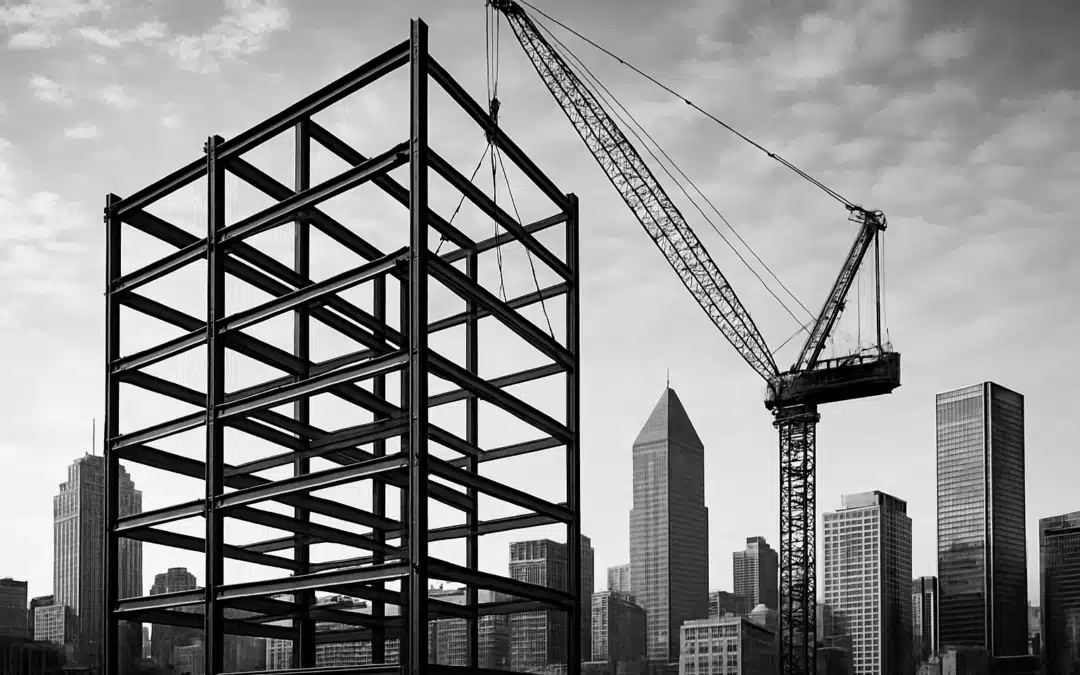
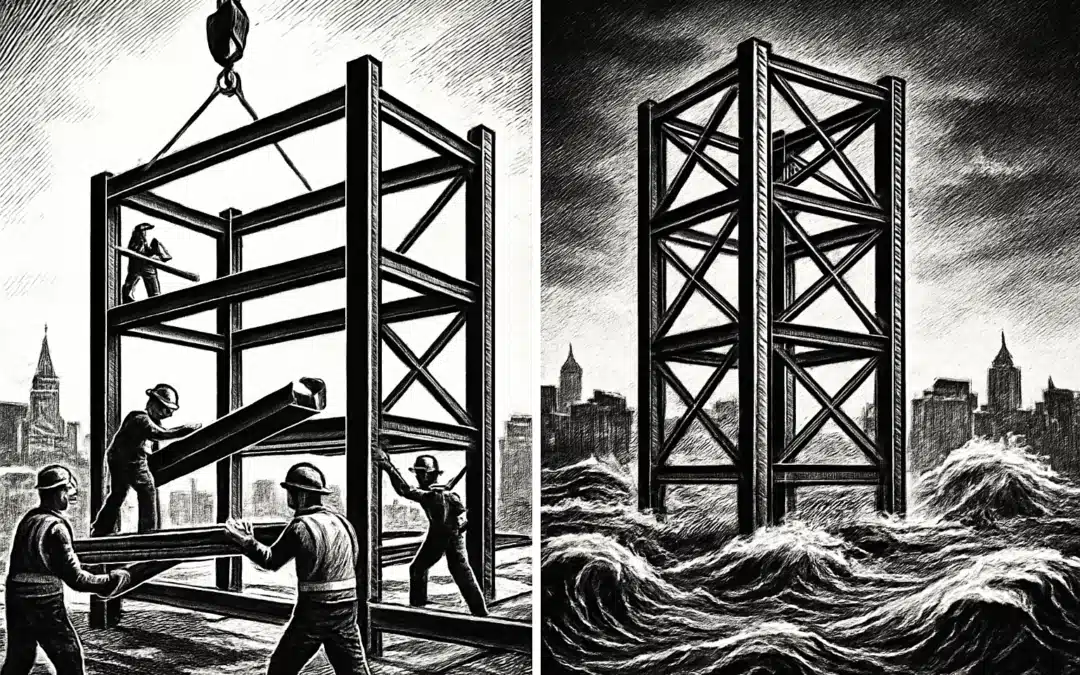
Unlike traditional construction methods, steel structures allow for quicker assembly – a boon in a fast-expanding city like Nanaimo. Picture this: building with steel is like playing with industrial-grade Lego, stacking one piece onto another in a tight, safe assembly. That speed equates to lower labour costs and quicker occupancy times, aspects that developers and investors often welcome with open arms. Steel structures offer a cost-efficient and flexible solution with scalable building kits for different structure sizes being readily available.
The Sustainability Aspect: How does steel fare?
Environmental concerns take centre stage in today’s conversation about urban development. Thankfully, steel structures bring a strong sustainability aspect to the table. Their recyclability ratio is rather impressive, with nearly 80% of all steel getting recovered and recycled at the end of a building’s life. As architects and builders alike increase their commitment to reducing their carbon footprint, this sustainability factor will become more important.
How Will This affect Home and Structure Design?
From single-family homes to Barndominiums in British Columbia, steel construction’s inherent versatility means that it can meld into various design and architectural styles. Its innate strength allows for the creation of larger open spaces and daring designs, opportunities that traditional building methods may not provide.
In conclusion, the expansion of Nanaimo’s boundaries offers an opportunity to revisit construction methods and consider steel as a viable, sustainable, and cost-effective option. Combining steel’s adaptability, quick assembly, and recyclability, we see a path forward that balances urban development, cost-effectiveness, and environmental impact.
Pro Tip for Developers: Begin to expand your scope and consider adopting steel construction methods if you haven’t yet. With the increasing emphasis on quick, efficient construction and sustainability, steel could well be your ticket to riding the wave of future development trends.
We invite our readers to share your experiences and thoughts on this topic. How are you adapting your building strategies this year?
Source: Read original article here.