Shaping the Horizon: Building a Sustainable Future with Steel in Canadian Real Estate
#Introduction:
Would it surprise you to learn that the British Columbia (BC) real estate market is experiencing a sea change that has less to do with financial trends and more with innovative construction methods? Indeed, the adoption of steel construction throughout Canada, and BC specifically, is a fascinating indicator of how industry trends, community safety, and sustainability all intertwine, particularly in remote locations such as the Taku River Tlingit territory.
Why is Steel Construction Gaining Traction in Canada?
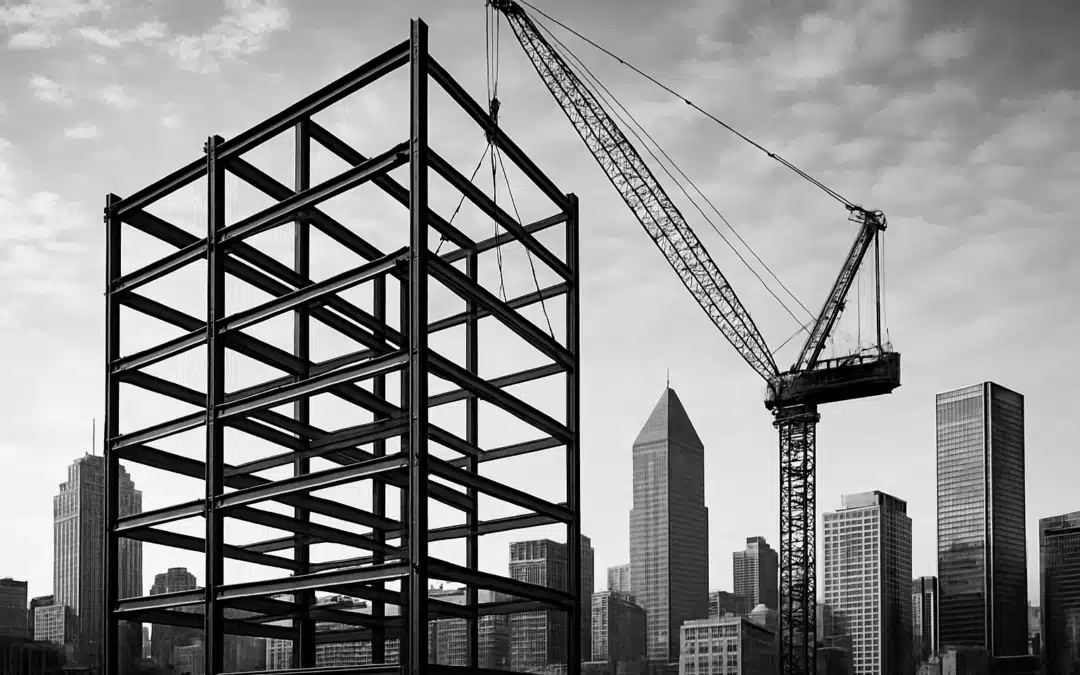
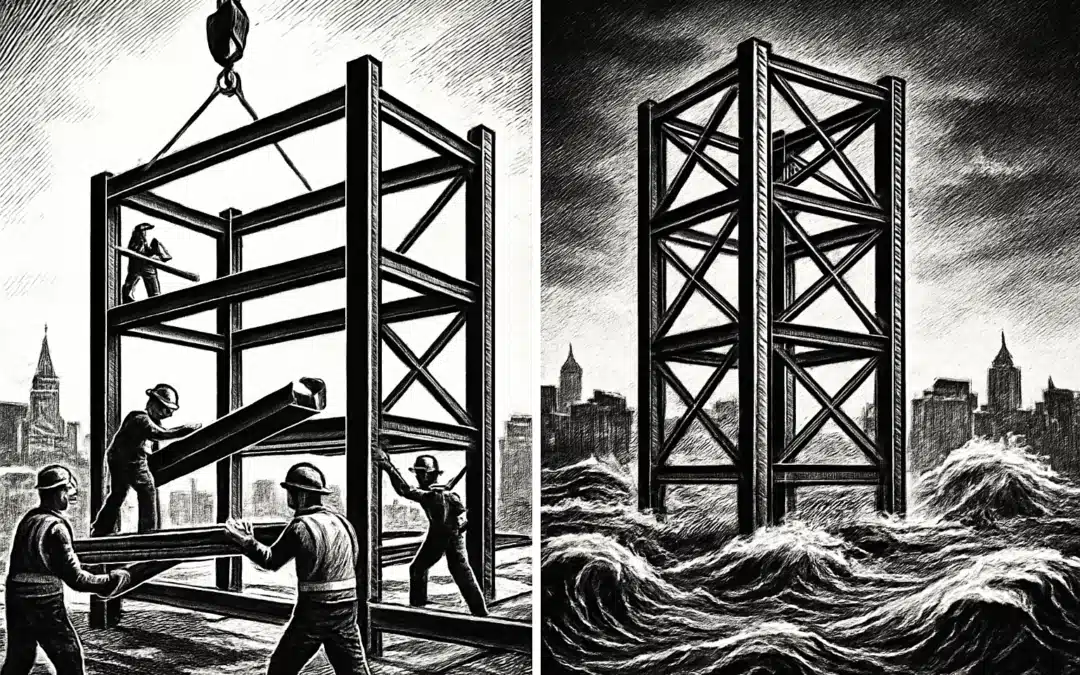
Steel construction offers an exceptional degree of cost-efficiency, speed of assembly, and long-lasting durability. Constructing with steel is akin to playing with industrial-grade Lego, where the pieces fit perfectly and create a resilient and adaptable structure. The benefits only multiply when we consider its use in rural or challenging environments, like that of Taku River Tlingit territory. British Columbia steel buildings are setting new standards in sustainable development and providing a roadmap for others to follow.
How Does Steel Prove Cost-Efficient?
Over the long run, steel buildings are cost-effective due to reduced maintenance needs, enhanced energy efficiency, and improved longevity. The extended lifespan of a steel structure more than offsets initial costs. Furthermore, steel’s resistance to pests, environmental impacts, and deterioration results in lower upkeep outlay—an attractive feature for developers and homeowners alike.
The Retrospective Lens: Lessons from the Taku River Tlingit Territory Case
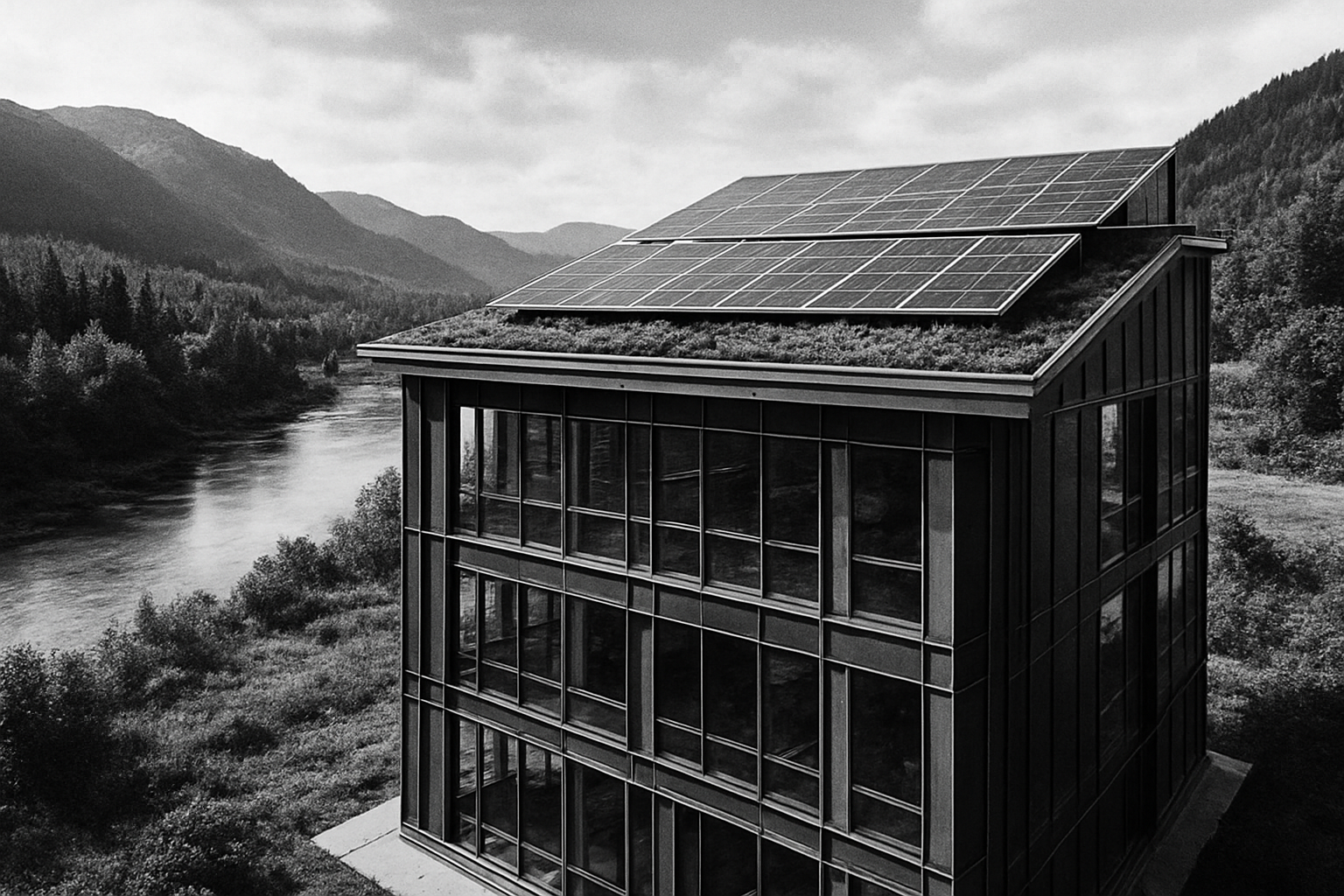
The Taku River Tlingit territory, a remote place northeast of Atlin, British Columbia in Canada, encapsulates the intersection between community safety, environmental conservation, and innovative construction practices. Given its remote location, this territory demands cost-effective, sustainable and quickly assembled structures. The implementation of innovative construction methods in such regions amplifies not only the cost-benefit ratio but also the security and comfort of residents.
What are the Long-Term Implications for Steel Building in Rural Areas?
The adoption and success of steel buildings in rural regions serve as a proof-of-concept for the rest of the country. As more areas embrace this modus operandi, such as seen in BC’s Barndominium projects, this tactic becomes mainstream policy rather than exception. Therefore, local building regulations, codes, and policies need to adapt accordingly to facilitate this transition.
Shaping Communities and Real Estate Markets
When considering the sobering reality of climate change, steel’s durability and recyclability place it firmly at the forefront of sustainable construction. The boom in steel construction, therefore, isn’t merely an industrial trend. It’s a significant societal shift towards responsible and sustainable development, with enormous implications on real estate markets worldwide.
As our Canadian construction landscape inevitably evolves towards sustainable practices, steel becomes not just a material, but a beacon of change and a harbinger of a sustainable future for all our communities. This, in turn, signals an empowering transformation of the real estate market, reshaping our vision for a more sustainable tomorrow.
Source: Read original article here.
Pro Tip for Developers: The BC real estate arena is poised for significant change. Keep your eye on sustainable construction methods—specifically steel structures. They not only offer substantial financial benefits but can also bolster your reputation as a forward-thinking, environmentally responsible developer.
We invite you to share in the comments below ways in which you are adapting your building strategies this year. Join the conversation and let us learn and grow together from this revolutionary shift!