The Rise of Steel Construction: Building the Future with AI Data Centres in British Columbia
Did you know that the BC real estate market will soon see a notable leap forward as artificial intelligence (AI) data centres expand their footprint? The decision to lay the foundation for the latest AI data centre in Kamloops appears to be a strategic choice reflecting more than just geographical considerations.
A Steel-Frame Lens on Data Centre Construction
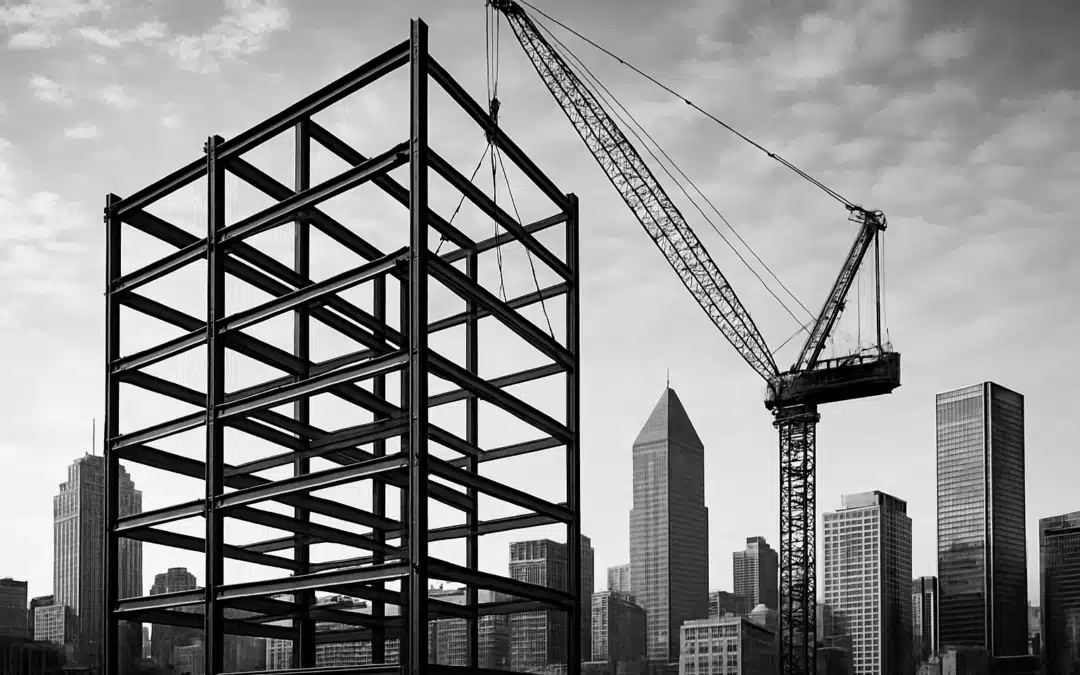
Building an AI data centre is a massive undertaking with formidable challenges. These structures require rapid assembly, cost-efficiency, and sustainability — factors that dovetail seamlessly with the inherent qualities of steel-framed construction.
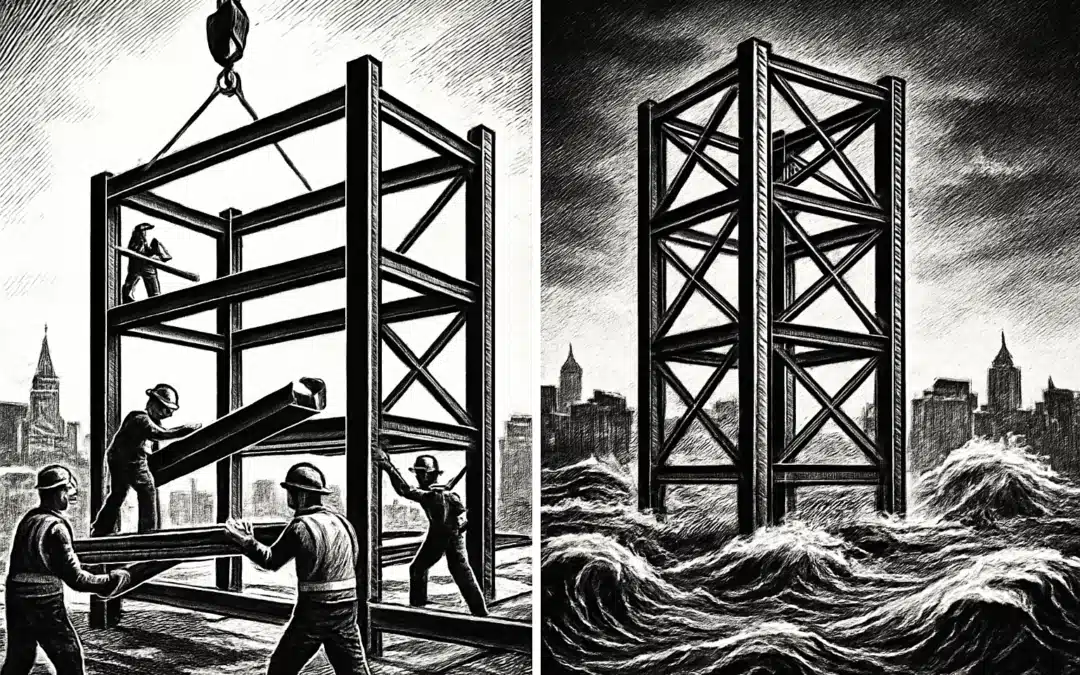
Imagine building with steel as akin to playing with industrial-grade Lego. It’s not just an exercise in structure; you’re adding resilience, building for longevity, and promoting sustainability.
Why Steel Construction Makes Sense?
Steel structures come with a plethora of benefits which are particularly pertinent for high-tech infrastructures such as AI data centres.
1. Cost-Efficiency
Despite the fluctuation of steel prices in the global market, these structures often represent a more cost-effective choice. Variable costs such as transportation, labour, and construction time are significantly reduced with steel building kits. It’s akin to opting for a high-end home entertainment system for a fraction of the price – you get high value for a palatable budget.
2. Speed of Assembly
Speed is a critical factor for AI data centres. Like a race car team striving for better pit-stop times, the faster we complete the construction, the quicker the AI centre can start its operation. The prefabricated components of British Columbia steel buildings align perfectly with this need for speed.
3. Sustainability
With looming climate threats, steel proves to be a green choice. It’s highly recyclable and less wasteful, akin to buying a refillable water bottle instead of single-use plastic bottles. Moreover, steel buildings have proven to be energy efficient – a vital consideration for data centres, which are notoriously energy-intensive.
What are the Broader Indications for Canadian Construction?
AI data centres herald a different era for the Canadian construction industry. Let’s not forget that Kamloops will be home to just one of six AI data centres owned by Bell in B.C. The soaring demand for such centres points to likely shifts in industrial zoning laws, with a keener focus on accommodating technological developments.
More companies looking to erect data centres—or facilities of similar caliber—might be inclined to adopt steel as the construction material of choice. Not to mention that a structure like a Barndominium can easily be repurposed as a data centre due to its steel construction. This could lead to a substantial increase in demand for smart, steel-built real estate in the Canadian market.
Are We Looking at a Bright Future of Steel?
In all likelihood, yes. AI initiatives like the data centre in Kamloops reflect global trends, signaling the dawn of technologically advanced, retrofitted infrastructure in the construction industry. As Canada steps into this phase, steel might become as quintessential to construction as logs were to early pioneers.
In terms of long-term implications, if steel proves perfect for housing intricate digital operations, we might be on the cusp of a new standard in building design and construction – an accelerating move towards faster, economically viable, and environmentally friendly development.
Source: Read original article here.
Pro Tip for Developers
Embrace flexibility. By adopting next-generation construction techniques, such as the use of steel, you remain prepared for evolving real estate trends in the face of advancing technology and greener mandates.
Call to Action
How are you adapting your building strategies this year? Join the conversation below and share your insights on the rise of steel in the Canadian construction industry.