H1: Reaching for a New Skyline: Vancouver’s Call for Taller Buildings and the Steel Renaissance in British Columbia
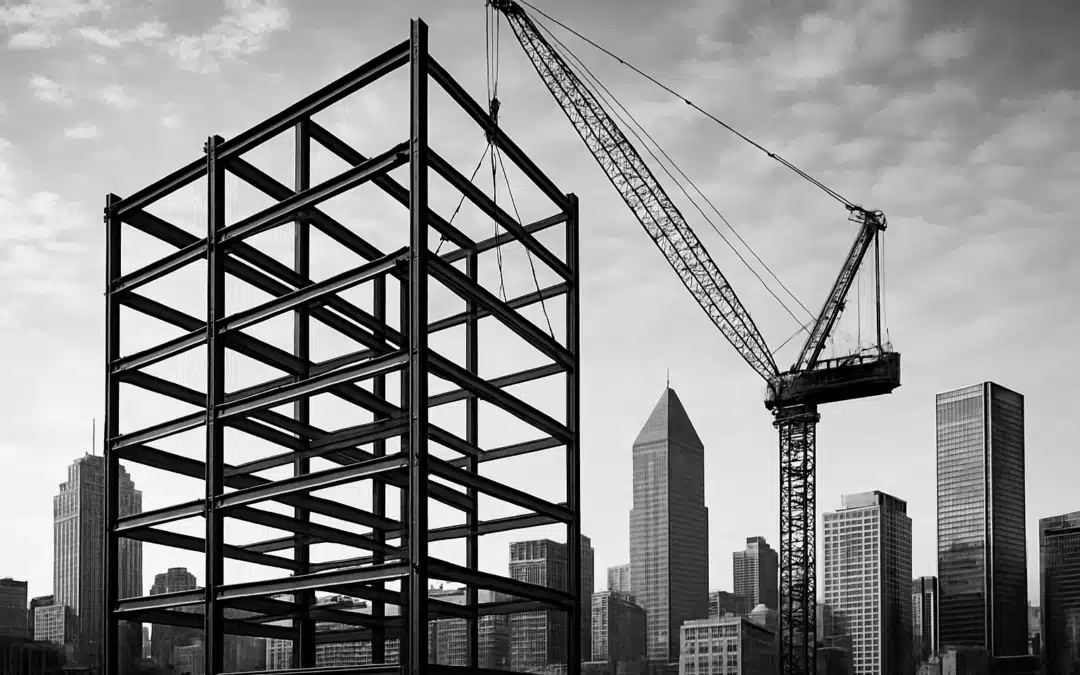
Can you imagine Vancouver’s skyline blooming with taller structures than we see today? Recent news suggests that this may soon become our reality as Vancouver sets its sights on revising its Higher Buildings Policy. The implication of this change is beyond mere aesthetics; it ushers in the dawn of an era where the merits of steel construction in the Canadian real estate market come sharply into focus.
Can Taller Structures Reshape the BC Real Estate Market?
The BC real estate market, particularly Vancouver, is akin to a stock pot perennially on the boil with demand continually outstripping supply. The city’s move to challenge its height limits might just be the ambitious move needed to demystify this intense heat.
Increasing the height of structures does more than just adding more square footage for the housing and commercial sectors. It redefines the cityscape, and by extension, the lives of the people who dwell within it. In many ways, it’s like building a vertical city – layer upon layer of offices, shops, homes and public spaces stacked atop each other.
How Will Taller Buildings Impact the Construction Industry?
Allowing taller buildings into the urban tapestry of Vancouver introduces fascinating challenges and opportunities for the construction industry. The conventional construction materials such as concrete, bricks, and wood may prove less efficient for soaring design requirements. This is where the impressive qualities of steel become irresistible. Just like a seasoned triathlete, steel stands unbeatable in the realms of cost-efficiency, speed of assembly, and sustainability.
Why Is Steel the Winning Choice for Taller Buildings?
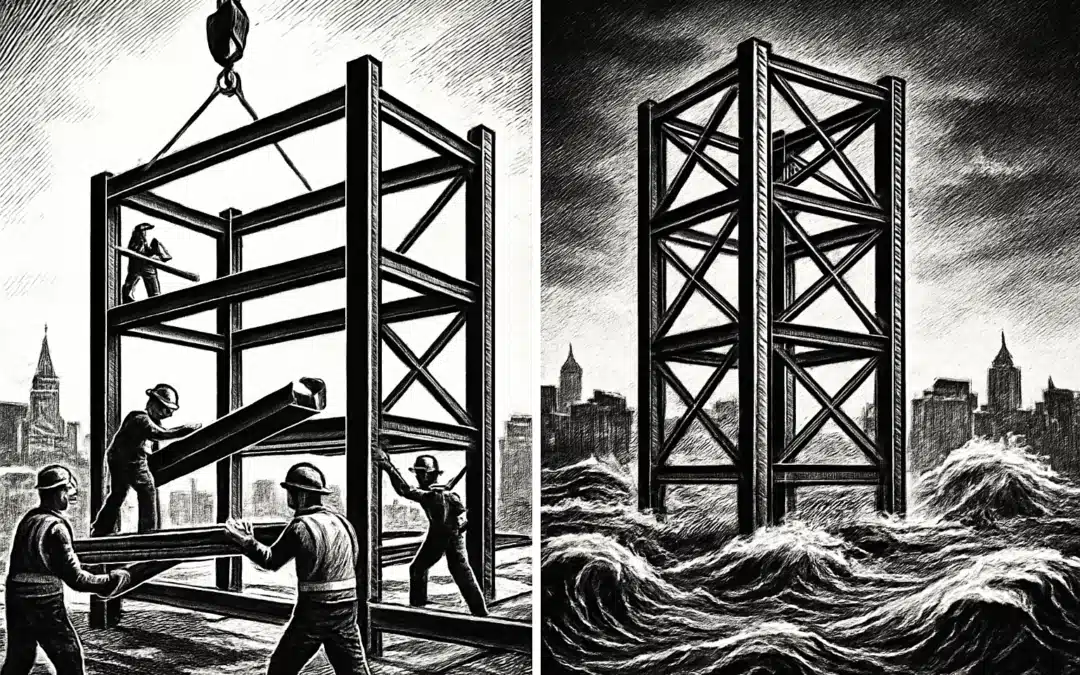
Building with steel is like playing with an industrial-grade Lego set. It allows for the precise pre-engineering of all components, culminating in a fast, trouble-free assembly on-site. Advancements in steel construction kits have revolutionized the way buildings take shape, adding an element of speed that is váluable in a market touted for urgency.
In terms of cost-efficiency, steel as a medium of construction reduces excessive expenditures at various stages of the building process. It has a higher strength-to-weight ratio, meaning steel structures require fewer materials to meet the same strength goals as traditional builds. While the upfront costs might cause initial eyebrows to raise, the long-term operational costs will be significantly lower, making them attractive for a wider range of developers eyeing British Columbia steel buildings.
Moreover, steel’s sustainability credentials march in line with the emerging global demands for environmentally conscious building practices. Prefabricated steel can be assembled with minimal waste, and when a building reaches the end of its lifecycle, the steel can be recycled—serving the dual purpose of reducing landfill waste and lowering the overall environmental impact.
How Can we Bridge the Transition to Steel in British Columbia?
Transitions are rarely swift or without their share of hurdles. The shift to taller, steel-dominated buildings would necessitate a series of substantial adaptations. Developers would need to acquire the necessary expertise, and legislative bodies would have to rethink zoning laws and building codes. Additionally, residents would need to perceive these iconoclastic architectural height breakthroughs as potential improvements in British Columbia’s urban living quality.
Innovation will emerge as a vital player in effecting this change. Consider the rising popularity of barndominiums in Canada, British Columbia. These elegantly rustic steel structures have emerged as a testament to how innovative design can rewrite the narrative for steel construction.
Pro Tip for Developers: Lean into this transformation. Gather knowledge, seek partnerships, and invest in innovative steel-centric designs. This might just be the moment where those who dare to tower high can forever change the skyline.
Readers, we invite you to join the discussion. Comment below on how you are adapting your building strategies this year, in this era of taller, greener, and speedier steel buildings.
Source: Read original article here.