H1: BC’s Rising Minimum Wage: A Launchpad for Efficient and Sustainable Steel Construction
What if I told you that the imminent minimum wage increase in BC could be instrumental in catapulting the Canadian construction industry towards innovative steel construction methods?
The Hidden Catalyst: BC’s New Minimum Wage
BC’s forthcoming minimum wage increment to $18.25, while intending to combat inflation, holds unforeseen implications for the Canadian construction industry. But how can a seemingly unrelated statutory wage standard impact a whole industry? Well, when we blow the dust off the surface, we find hidden layers of economy intertwined within the very concrete and girders of the BC construction sector.
What Does Steel Construction Bring to the Table?
As we peel back these layers, we find an industry grappling with a rising cost of labour, with the average construction worker’s hourly pay soon exceeding the $18 mark. To adapt, our industry needs to turn traditionally perceived negatives into positives. Enter steel construction — an industry game-changer.
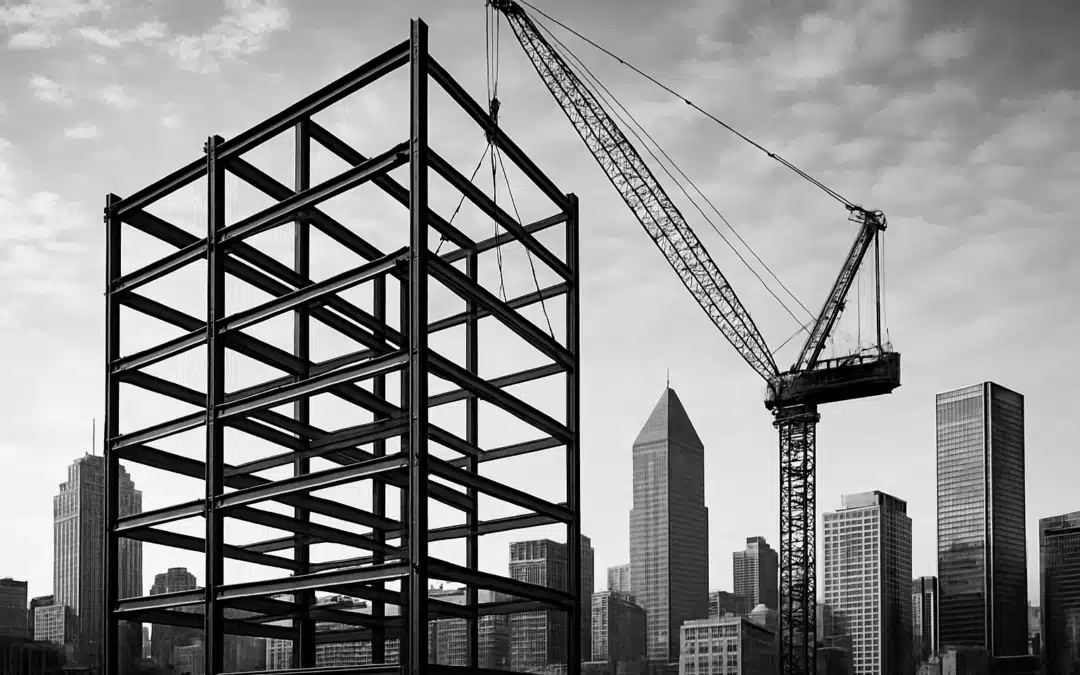
Picture this: constructing with steel is akin to playing with industrial-grade Lego, offering flexibility and modularity that traditional methods struggle to match. The resultant buildings are towering testaments to our ingenuity, painted in metallic hues of cost-efficiency, speed of assembly, and environmental sustainability.
How Can Steel Constructions Overcome Labour Costs?
In the face of minimum wage increases, industry players are on the prowl for cost-effective construction solutions. Steel constructions are that sought-after prey. When we account for freight, site preparation, foundation, assembly, utility systems, and interior finish, we behold a picture of economic pragmatism. Steel buildings undeniably offer robust cost-efficiency, with a symbiotic blend of lower maintenance costs and longevity.
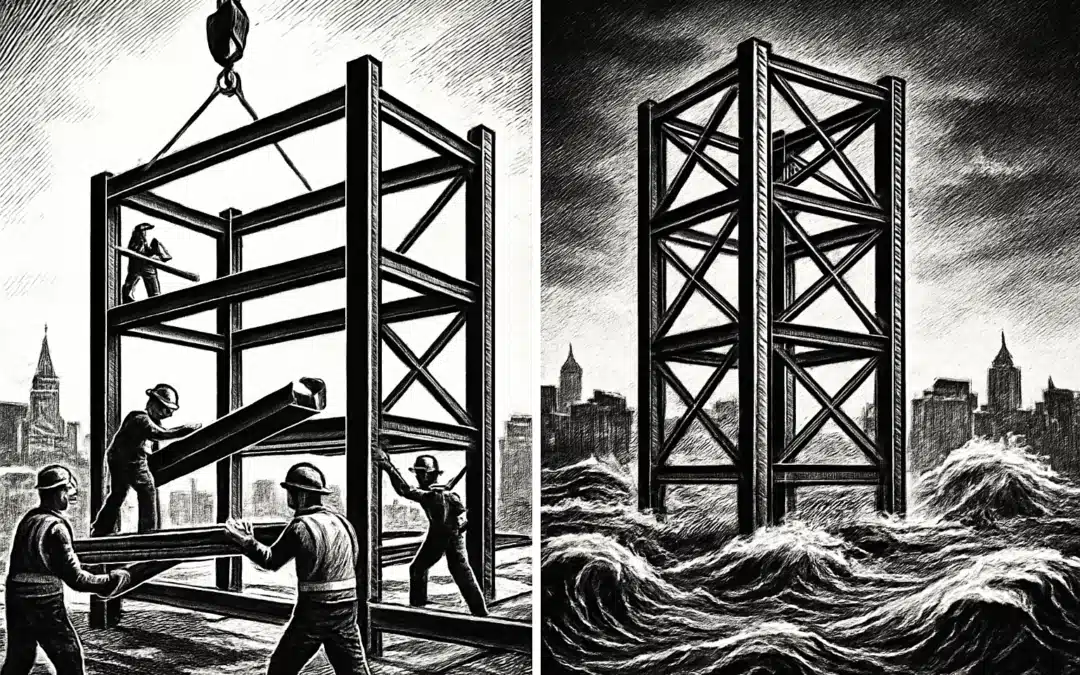
However, the true jackpot lies in their quick assembly times, offering a much-needed panacea for labour-related overhead expenses. Notably, pre-engineered steel buildings can be erected in significantly less time than their concrete counterparts. This time-efficiency can make the financial difference between project success and failure in a world where every hour of labour comes at a steeper price.
What’s the Sustainability Score for Steel Structures?
While cutting costs is a universal paradigm, doing so sustainably is our industry’s North Star. Steel offers this crucial competitive edge by minimizing environmental impact. Distinctively, steel is 100% recyclable, creating an infinite loop of usage that curbs harmful mining activities. Moreover, modern British Columbia steel buildings are designed with energy efficiency in mind, considered another critical facet of sustainability.
Embracing steel structures is more than a savvy business move; it’s a commitment to our planet.
In essence, BC’s minimum wage increase has pushed construction onto an innovative trajectory, harnessing steel’s versatility. The outcome? An industry reshaping itself in the crucible of economic pressures to deliver swift, cost-efficient, and eco-friendly structures, thus redefining the Canadian landscape.
Source: Read original article here.
Pro Tip for Developers: As construction costs surge, look beyond traditional practices and explore steel construction. The time and cost savings, coupled with a lesser ecological footprint, make it an attractive option.
I invite your insights on how you’re adapting your building strategies this year. Do you envision a steel future for Canadian construction? Let’s debate in the comments below.