H1: Monetizing Land in a Cash-Strapped Time: A Metal-Clad Opportunity for UFV and Canadian Real Estate
Introduction:
How does one inject innovation into a real estate market saturated by traditional practices, especially when the land in question is from a university trying to monetize amidst financial struggles?
University of the Fraser Valley: Turning a Crisis into an Opportunity?
Recently, the University of Fraser Valley (UFV) in British Columbia announced a potential development on two of its parking lots starting as early as 2028. This move seems to be indicative of the rising trend among universities and large institutions to monetize under-utilized lands amidst a significant budget crunch. It serves as a concrete example of the pivot towards adapting the Canadian construction industry’s practices.
Could Steel Structures Offer the Solution for UFV?
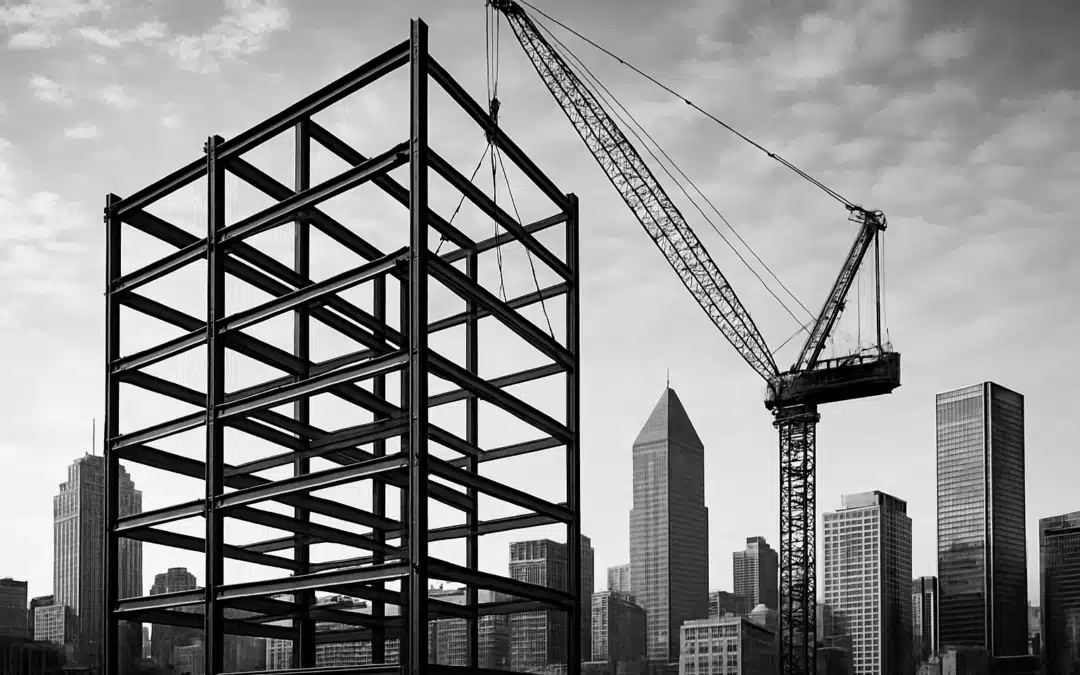
Amid the need for cost-efficiencies, increasingly aggressive timelines, and a shifting focus towards sustainability, an interesting proposal for UFV and other developers is the use of steel structures, as linked to a series of benefits.
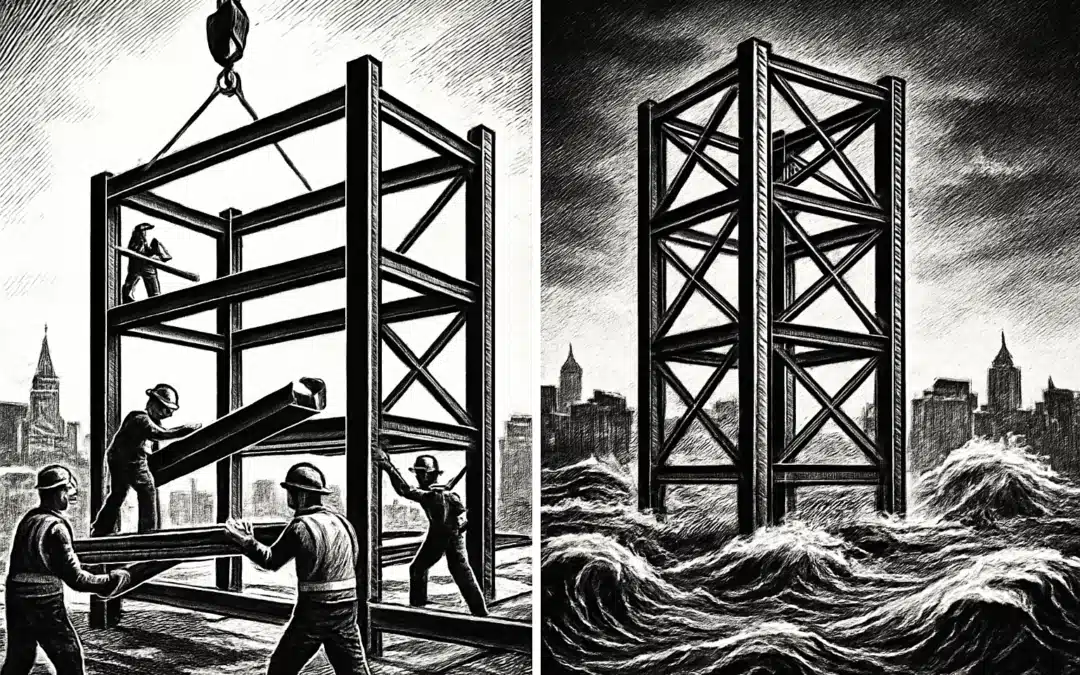
Consider it as the equivalent of playing with industrial-grade Lego – flexible, versatile, and reusable. Prefabricated steel structures not only dramatically speed up assembly times but also significantly cut down construction costs when compared to traditional building methods. There is also the added advantage of sustainability – steel is fully recyclable and reduces the construction footprint significantly.
Understanding the Economics of British Columbia Steel Buildings
For context, consider this – a traditional condo development, from breaking ground to completion, can take upwards of two years. In comparison, prefabricated steel structures can slash these timelines by up to 50%.
Moreover, steel buildings in British Columbia provide a more cost-effective solution when compared to conventional construction methods, which may appeal to institutions like UFV struggling with budgeting.
Will this Create a Domino Effect in the BC Construction Industry?
It’s worth exploring whether this potential pivot towards steel structures in a land development project like this could pave the way for a broader shift within the BC construction industry. With many developers keen to explore sustainable and cost-effective building strategies, a successful project could set a compelling precedent.
In aligning with such trends, developers could investigate barndominiums or hybrid models between barns and condominiums, increasingly popular in rural parts of Canada for their cost efficiency and quick assembly time. Find out more about developing barndominiums in British Columbia to gauge their feasibility.
Regional and Tailored Solutions for Canadian Developers
Building with steel doesn’t just mean erecting blank steel warehouses or barns but can also involve intricate designs and customization with varying cost implications. A 30x40x14-ft steel building kit, is one such popular choice, given that it strikes a balance between size and cost.
Companies like ours focus on providing region-specific building solutions. For British Columbia steel buildings, for instance, region-specific challenges such as weather and seismic codes play a crucial role in determining design and construction.
Pro Tips for Developers
When considering steel structures, developers need to keep in mind the scale, geographical factors, and the project’s unique requirements. It’s not just about unlocking cost and time efficiencies; it’s about tailoring the process to maximize potential gains in a fiercely competitive market.
Summing up, if UFV and similar institutions embrace a steel-framed future, we may be witnessing the genesis of an industry revolution – one promoting sustainable, efficient, and flexible solutions to Canadian real estate development.
We invite you to share your thoughts on how you are adapting your building strategies this year. Are you considering steel structure developments? How are you navigating towards the future of the Canadian construction industry?
Source: Read original article here.