Unfolding Proficiencies in Steel: Supportive Housing Projects Signal a New Age in Canadian Construction
Imagine, if you will, a boom in the British Columbian real estate market, where costs plummet while build times sprint off rapidly decreasing schedules; where sustainability isn’t just a buzzword but a core principle. Sounds too good to be true, right? Yet such a future might be closer than you think.
Recently, two supportive housing projects launched in London and St. Thomas, Ontario, set to house nearly 130 vulnerable individuals. But it’s not just the noble cause that’s got the industry talking. This could set a precedent for how future housing projects tackle cost-efficiency, speed of assembly, and sustainability. The common denominator? Steel.
Why are Steel Structures Gaining Traction?
Don’t let memories of childhood building blocks fool you. Building with steel isn’t child’s play—it’s like playing with industrial-grade Lego, but the rewards are most adult indeed.
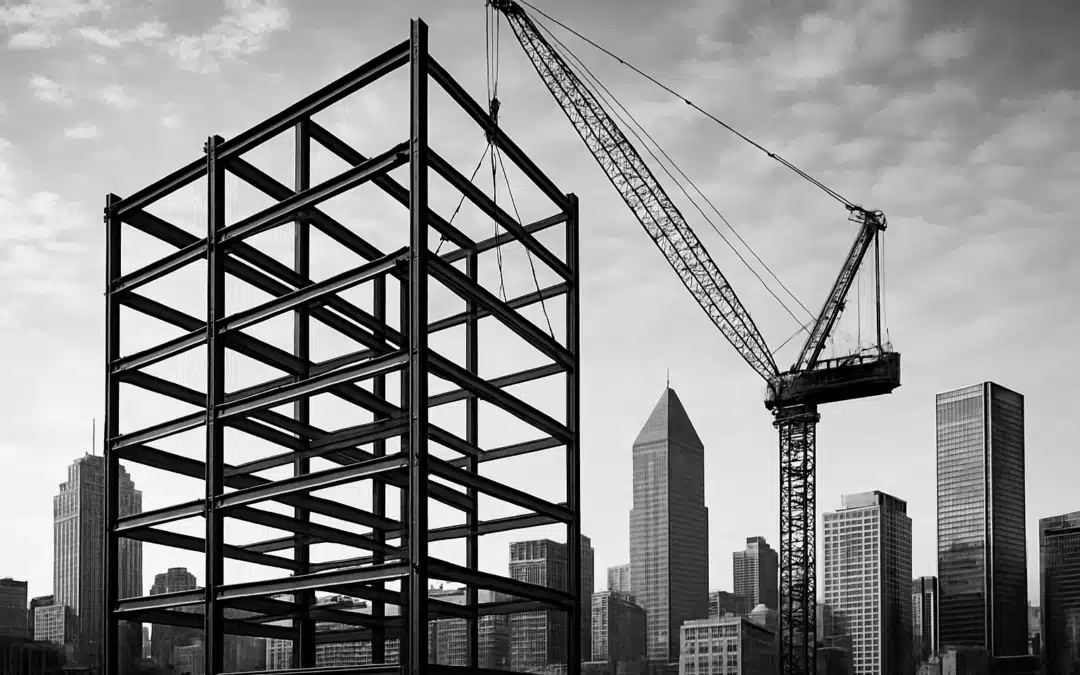
Steel structures, as evidenced by projects like the luxury car collection studio in Richmond Hill, are redefining what’s possible in the construction industry. Their comparative cost-efficiency, rapid assembly times, and sustainability are turning heads and shaping silhouettes on the urban skyline.
How Do Steel Structures Champion Cost-Efficiency?
There’s an old saying in construction circles: time is money. In a world where steel structures can come together in a fraction of the time required for traditional brick-and-mortar builds, that saying has never been more apt.
Steel components are prefabricated, meaning a reduction in on-site labour needs and a decreased likelihood of human error. These factors significantly drive costs down without compromising on quality. Furthermore, their reduced lifecycle costs and superior durability mean long-term savings: a win-win for projects as noble as those in London and St. Thomas.
Can Steel Structures Really Improve Speed of Assembly?
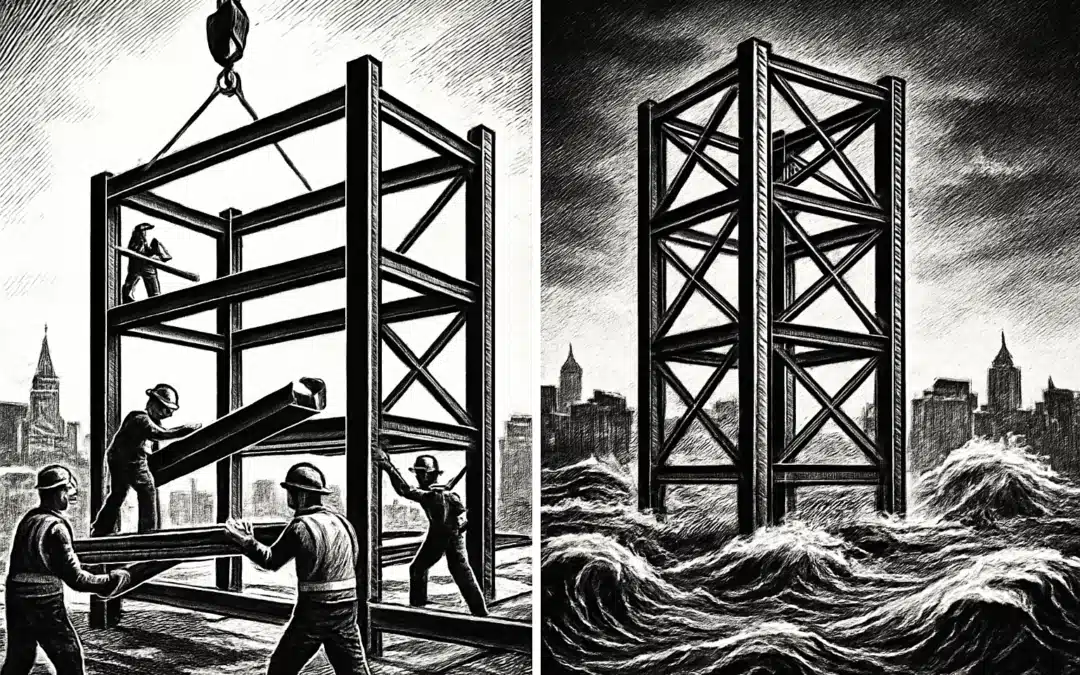
In the race against time that characterizes most construction megaprojects, few materials can compete with steel. Because the components are designed and manufactured off-site, they arrive ready to install. It’s like having a construction kit delivered to your doorstep—and as you’d expect from a kit, assembly becomes a swift matter of following instructions.
The steel building kits available on YourBuildingTeam.ca are a case in point. Each piece fits into the next with a precision that significantly reduces the total time spent on assembling the project.
Are Steel Structures More Sustainable?
It’s in the domain of sustainability that steel really shines. Steel construction involves minimal waste as all parts are cut to precise measurements before they arrive on site. Additionally, steel can be recycled repeatedly without loss of its properties, offering an ecologically friendly alternative to non-renewable building materials.
When you combine this with the inherent energy efficiency of steel buildings in Ontario and the rest of Canada, it’s no wonder that developers are consistently choosing steel.
How Might This Shift Impact Industrial Zoning in Ontario?
Given the advantage of steel structures—with the promise of cost savings, expedited completion, and a reduced carbon footprint—it’s likely we’ll see a reshaping of zoning regulations. Developers could be swayed to invest more in such projects, given the myriad of advantages they boast. Supportive housing could become the first of many sectors to benefit from this trend.
In conclusion, the benefits of using steel structures are numerous, making it the ideal choice for construction, particularly in the sector of supportive housing. Not only does this guarantee cost-efficiency, speed of assembly, and sustainability, but it also propels the Canadian construction industry into an era of greater responsibility and efficacy.
Pro Tip for Developers: Speed, cost and sustainability are the trifecta of modern construction. Integrating steel structures into your building plans can make your contribution to the landscape of the Canadian real estate market both impactful and valuable.
We’re keen on hearing from you. How are you adapting your building strategies this year? Tell us in the comments section below.
Source: Read original article here.