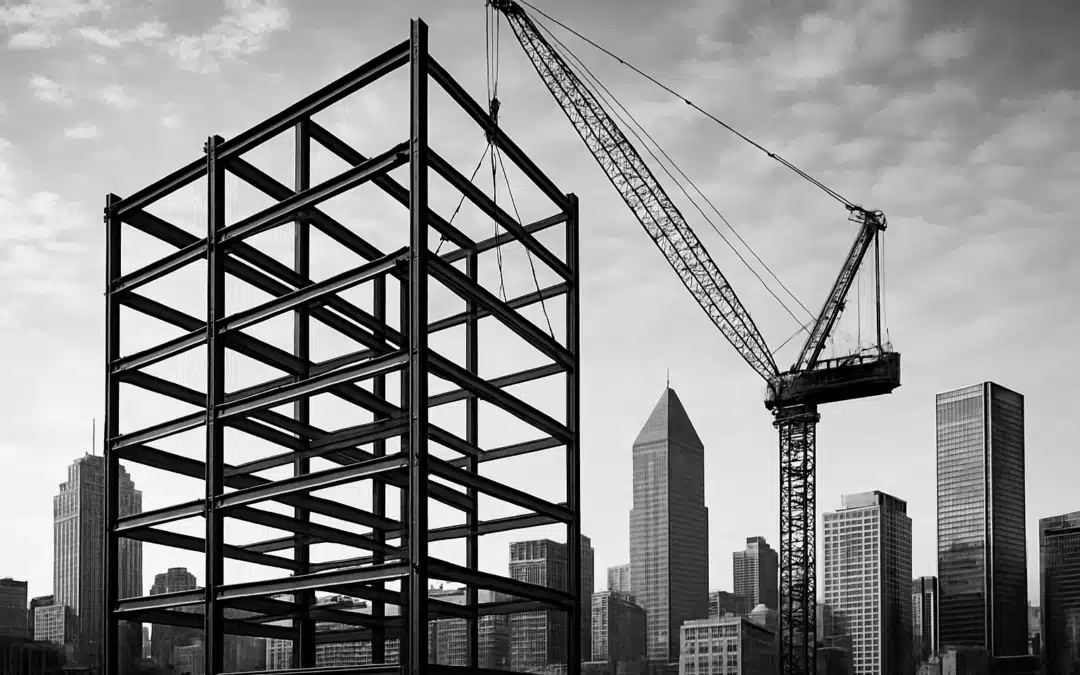
Steel Structures: Gearing Up For a Robust Accommodation Industry in Kelowna, B.C.
Is the British Columbia (B.C.) real estate market preparing for a significant shift? Kelowna’s decision to opt-out of short-term rental limits due to its high vacancy rate could herald a new era. Steel structures, with their cost-efficiency, speed of assembly, and sustainability, may be perfectly positioned for this potential shift in B.C.’s tourism-led real estate demand.
Why Does a High Vacancy Rate Matter, and How Can Steel Structures Respond?
A soaring vacancy rate, as witnessed in Kelowna recently, is a double-edged sword, posing challenges but also offering exciting possibilities. On one hand, it indicates underutilized assets and potential economic loss. On the other, it signals an untapped market ready for innovative solutions with a swift response mechanism. It is precisely here where steel structures demonstrate their strategic advantage.
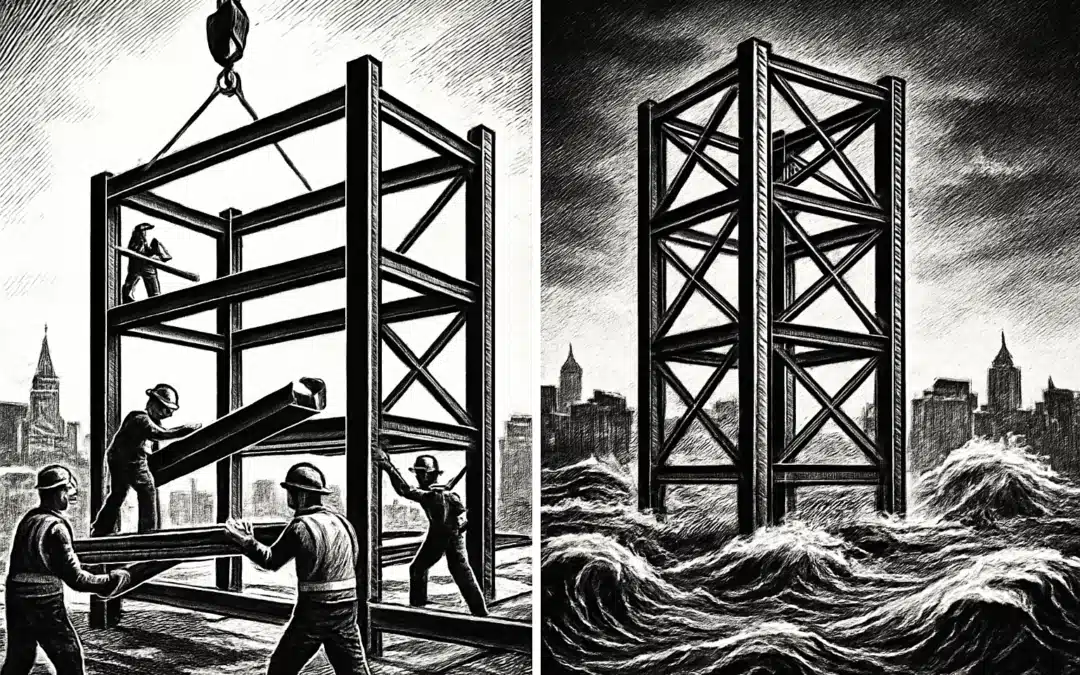
Building with steel is akin to assembling a puzzle with precision-cut pieces – you know what goes where, ensuring a fast, efficient, and error-free assembly. This property might be the solution to the pressing need in Kelowna: to convert the high vacancy rate into a thriving short-term rental market. The speed of construction would enable developers to swiftly tap into the peak tourist season, leveraging the waiver on short-term rental regulations.
Can Steel Structures Bring Cost-Efficiency to High Vacancy Markets?
Without a doubt, embracing steel structures makes financial sense, especially in markets with high vacancy rates like Kelowna. The cost of pre-designed steel buildings is usually lower than traditional construction methods, and their efficiency in assembly significantly reduces labour costs. Moreover, steel buildings offer better resistance to potential maintenance issues such as pests, fire, or harsh weather conditions, ensuring additional savings during the buildings’ lifecycle. Looking at the potential benefits, investment in British Columbia steel buildings would prove to be profitable in the long run.
How Do Steel Structures Contribute to a Sustainable Real Estate Market?
The tourism industry is highly sensitive to environmental issues. As developers and investors scramble to fill the burgeoning demand for short-term rentals, the sustainability of construction methods becomes a priority. Steel structures shine here too.
Steel is highly recyclable, contributing significantly to sustainable construction practices. In addition, well-insulated steel building kits ensure energy efficiency, reducing occupants’ carbon footprint. The flexible design also means that these buildings can evolve with changing needs, enhancing their longevity and reducing waste from demolition and reconstruction.
What’s Next for the Construction Industry in B.C.?
As we move forward, the emphasis will be on scalable and adaptable solutions. In this light, the strategic pivot towards building a barndominium in Canada’s British Columbia seems to be an astute step forward. A fusion of a barn and condominium, constituting multi-functional spaces, offers the adaptability required to keep pace with fluctuating tourist demands.
As part of the solution, these steel structures will not only accelerate the conversion of high vacancy into profitable business but also foster the development of a sustainable, environment-friendly real estate market in B.C.
Pro Tip for Developers: Be adaptive. The current situation in Kelowna has shown that the real estate market can exhibit volatility. It’s pivotal to remain flexible and responsive, embracing efficient, quick-assembly, and sustainable construction methods like steel structures.
So, how are you adapting your building strategies this year? Comment down below and join the discussion!
Source: Read original article here.