Shaping the Capital: Could Steel Be the Key to Ottawa’s Urban Sprawl Challenge?
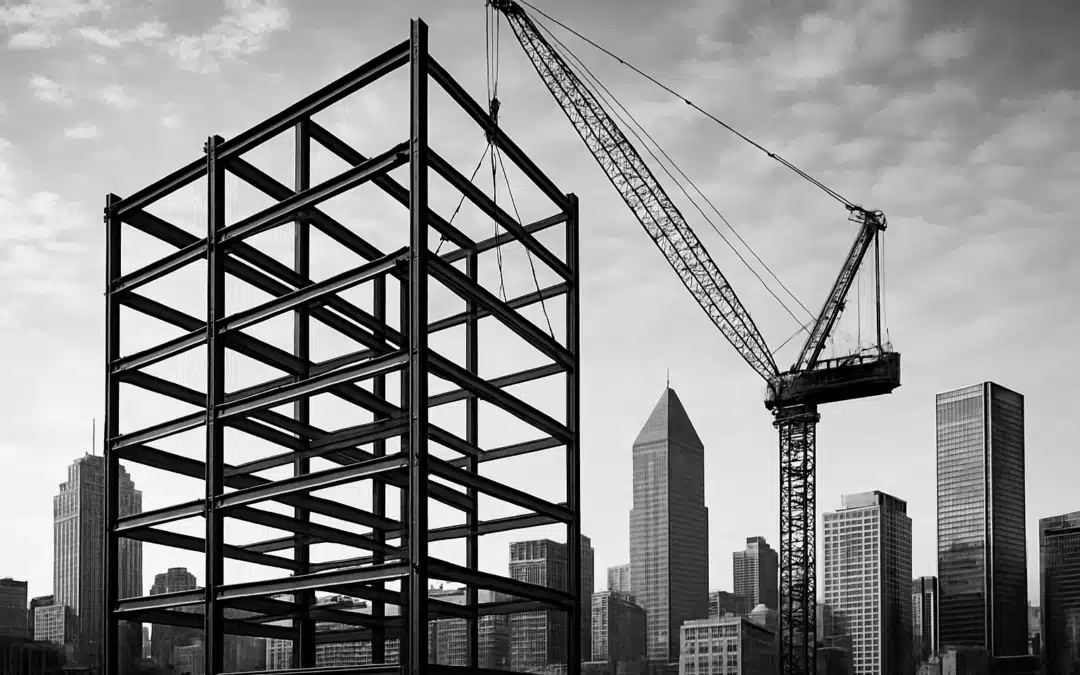
Is it not true that our urban landscapes are shaped as much by the pressures of population growth, as they are by the materials we construct with? As Ottawa grapples with finding space for an additional 500,000 residents, the city’s traditional brick-and-mortar skyline faces a metallic facelift—one that could redefine not just its physical appearance but its planning philosophy as well.
Is Steel the Future of Ottawa’s Infrastructure?
City councillors were on the verge of evaluating five different growth strategies for Ottawa until unforeseen provincial changes paused the proceedings. However, the postponement might serve as an opportunity—a chance for the city to investigate the potential of steel as a leading material for future development.
Steel construction is renowned for its efficiency, swift assembly, and sustainability—qualities that, when executed judiciously, could help Ottawa better manage its increasing population.
What Makes Steel Cost-Effective for Urban Growth?
First and foremost, steel buildings are cost-effective. Lifetime maintenance expenses are low due to their durability, and the predictability of steel costs leave little room for budget surprises. Think of it as buying a premium car with super low upkeep costs—it might look expensive on the front end, but over time, the low maintenance saves you a bundle.
How Does Steel Quick-Track City Development?
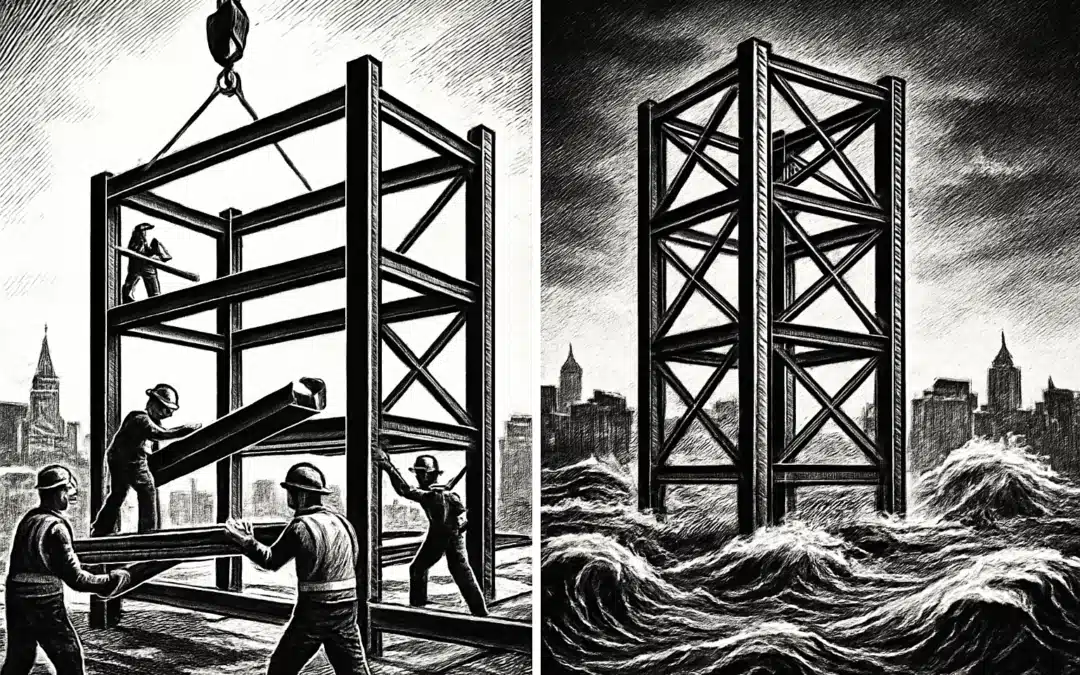
When it comes to speed of assembly, steel buildings are unrivalled. The construction industry has always been a bit like a complicated dance routine—everyone must know their timings, their movements, and the longer the dance, the higher the chance of someone missing a step leading to delays. In contrast, erecting steel buildings is more akin to a well-oiled assembly line, swift, predictable, and efficient. This could be instrumental in addressing Ottawa’s growing housing demands, through faster project turnover times.
Is Steel Truly Sustainable for Canadian Real Estate?
Sustainability in the construction industry should not be a mere feel-good phrase—it must be a core philosophy. Thankfully, steel satisfies on this count. Steel structures have a significantly reduced environmental footprint as they are virtually 100% recyclable. Structural steel beams, when no longer needed, can be repurposed efficiently, resulting in a cyclical life process where almost no material goes to waste.
One could compare it to the native Canadian maple tree. Even as it sheds its leaves in fall, those leaves enrich the soil for the next generation of growth. Sustainable steel construction works in much the same way—past structures contribute to future buildings, helping Ottawa meet its growing demands without compromising nature’s balance.
Looking at the substantial benefits, the move to steel seems a tempting proposition. And we need not reinvent the wheel. Instead, we can draw inspiration from existing masterpieces, like this beautiful steel construction in Parry Sound, Ontario.
Moreover, location-specific solutions, like steel buildings in Ontario, can be tailored to fit Ottawa’s unique requirements.
How Will This Shift Impact Industrial Zoning in Ontario?
As Ottawa embraces steel, the implications for industrial zoning in Ontario could be significant. Space-efficient and quicker-to-build steel structures could enable more effective utilisation of industrial zones. Since these types of buildings can be erect in significantly less time, they allow businesses to get up and running faster, potentially accelerating the economic growth of the region.
It’s not just about the potential for increased productivity. The sustainability angle encourages industries to remain conscious of their environmental impact. Industrial development using steel architecture, coupled with green practices, could create a new narrative for industrial development in Canada.
Let’s not forget the financial advantage as well, clearly demonstrated by this affordable steel building kit.
In conclusion, the shimmering skyline of Ottawa could soon be home to the metallic hues of an efficient, swift, and sustainable urban future. Steel, with its array of benefits, looks primed to be a material of choice for construction in the city.
Source: Read original article here.
Pro Tip for Developers: Clearly, steel holds the promise of being a game-changer in urban construction. Stay ahead of the curve. Invest in understanding how it can transform your current building strategies.
We’d love to hear from you on how you are adapting your building strategies this year. How will steel figure in your plans? Leave your comments below and join the conversation.