Carney Government’s Billion Dollar Bet: A Steel Reinforced Boost for Canada’s Construction & Real Estate Industry
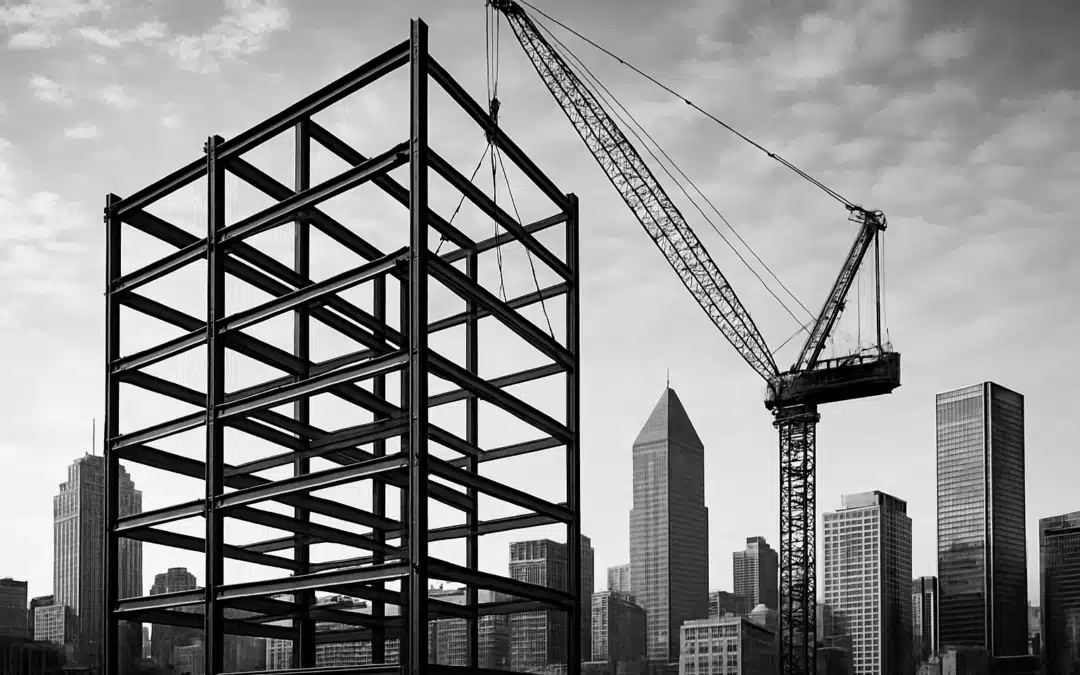
Can we look at a welder at work and see the potential spark of a resurging real estate landscape in Canada? It is indeed possible with the Carney government’s recent proposal to infuse $6 billion into the recruitment, training, and hiring of 100,000 new skilled trades workers over five years. This initiative, dubbed “Team Canada Strong”, is designed to embolden Canada’s construction industry and abate youth unemployment—all while heralding a significant shift towards steel as a primary building material.
What Does the $6B Injection Mean For the Construction Industry?
Historically, the lack of skilled workers, especially in critical disciplines such as steel assembly, has posed challenges to the speed and efficiency of construction projects. The injection of both funding and new blood into the trade bodes well for the future of steel buildings in Ontario and beyond.
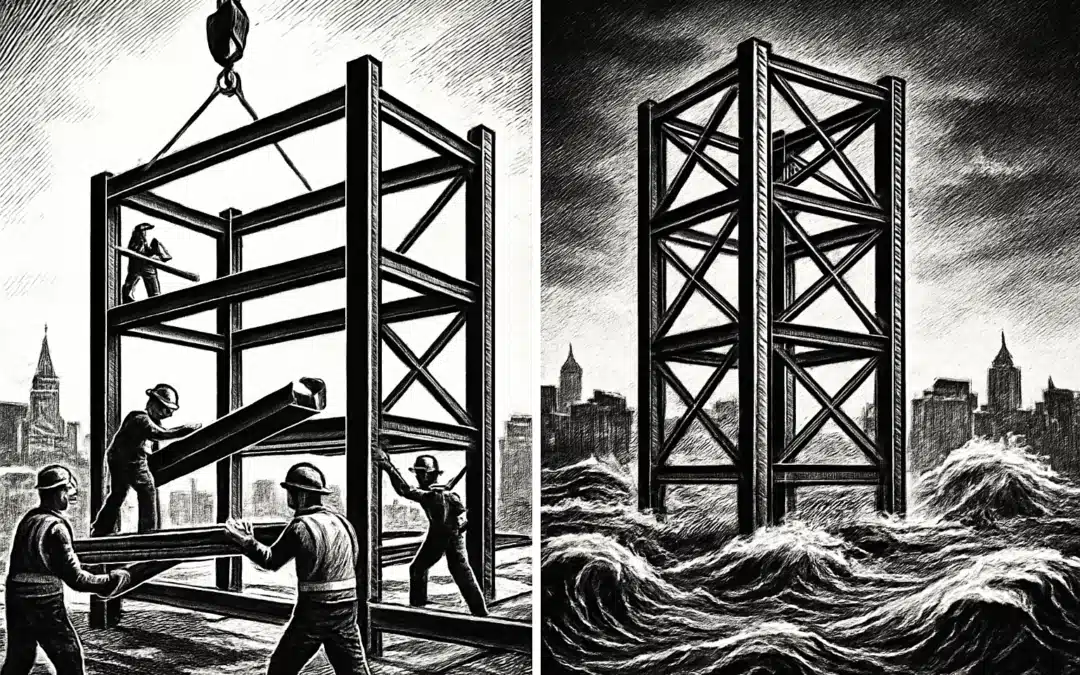
In the long run, the influx of skilled workers into steel-based construction would mean a ramp up in operational efficiency and project execution speed. Assembling steel structures is somewhat akin to assembling an industrial-grade Lego set—a well-practiced team can set up a project quickly and with a high level of accuracy. Such speed of assembly not only reduces turnaround time for projects but eventually leads to cost savings by curtailing project overrun costs.
Can Steel Construction be Cost-Efficient in the Long Run?
At first glance, steel may seem costlier than traditional materials like wood. But considering the lifecycle costs—maintenance, repairs, energy efficiency, and the resilience of steel structures—this perception changes drastically.
With this in mind, the proposed plan by the Carney government not only tackles youth unemployment but also advocates for an industry shift towards more sustainable construction practices. In the long term, the initiative could stoke the adoption of a cost-effective, durable, and energy-efficient medium—steel.
How does Sustainability Play into the Steel Construction Equation?
Constructing buildings with steel poses a trump card—recyclability. From an environmental perspective, steel structures have a smaller carbon footprint, as steel can be recycled without loss of quality. Our steel building kits, for instance, use high-quality recycled steel.
Furthermore, steel buildings deliver superior energy efficiency, translating to lower operational costs for their owners. Moreover, the longevity and durability of steel structures significantly reduce the need for building replacement, leading to further savings and a reduced environmental impact.
This sustainable construction approach fits seamlessly with the increasing trend of green building initiatives and the global imperative of reducing carbon emissions, thereby creating a domain where economy and ecology meet.
What Does the Future Hold for Steel Buildings in Canada?
Real estate affordability has been a consistent concern in Canada’s booming markets like British Columbia and Ontario. With the building industry moving towards steel construction, the efficiency, speed, and sustainability these structures offer could present a viable solution to this concern.
In particular, the conversion of traditional log and lumber storage to steel structures, like in Kenora, can not only enhance operational efficiency but also equip these spaces to adapt to changing market needs—complementing both the real estate and the storage industry’s strategic ambitions.
Pro Tip for Developers:
As we skirt the edges of this paradigm shift, it’s crucial for developers to consider the long-term cost savings, environmental implications, and the emerging skilled workforce trained specifically for steel construction.
Now, we’d love to hear from you: How are you strategizing to utilize this potential shift towards steel construction? Comment below to lend your voice to this all-important conversation.
Source: Read original article here.