Energizing the Future of Canadian Construction: Federal Investments Pave the Way for a Steel Revolution
Did you know that the B.C. real estate market is poised to undergo a significant transformation? It’s not just about soaring skyscrapers or sprawling suburban tracts; it’s about how these structures will be built, and what this could mean for the Canadian construction industry.
Why is the Federal Investment Important for Canadian Construction?
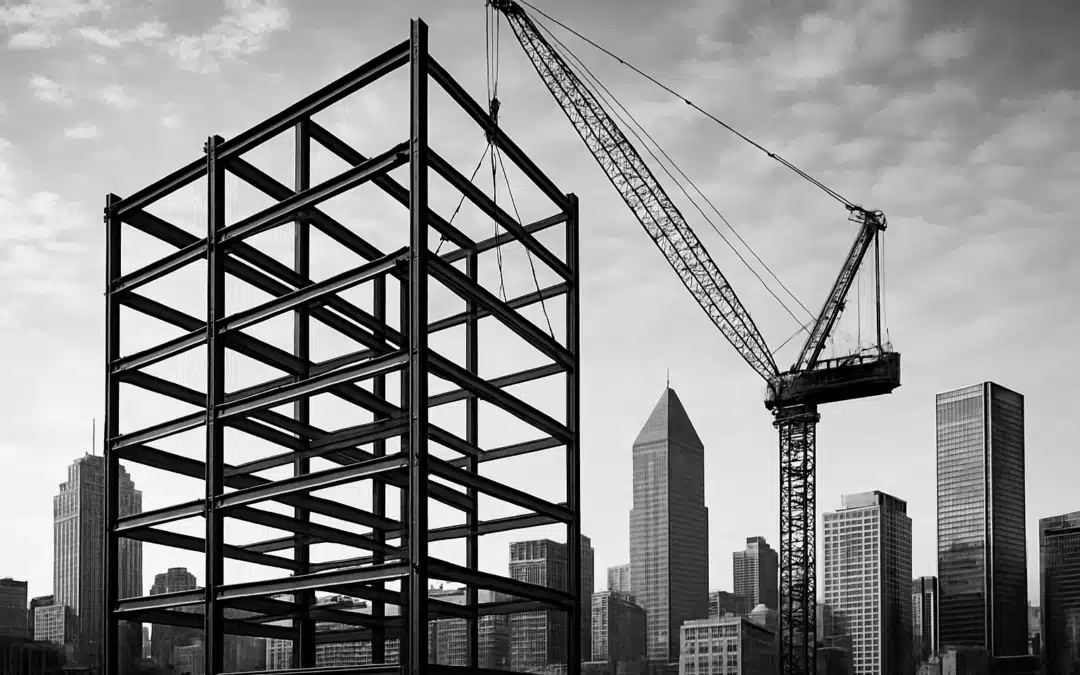
Prime Minister Mark Carney’s proposed $6 billion funding over five years to recruit, hire, and train up to 100,000 Red Seal trades workers is nothing short of heating up the Canadian construction landscape. This ambitious plan is not just about meeting Canada’s projected need for more than 1.4 million new trades workers by 2033. It points towards a subtle but crucial shift — a testament to the potential of steel as a key building material in Canada’s construction saga.
Can Steel Structuring Significantly Impact Cost-Efficiency in Construction?
Indeed. Steel is like the unsung hero in a high-budget film. It’s high time we acknowledge its immense potential. Building with steel is akin to using industrial-grade Lego, it’s versatile and far less labor-intensive than traditional construction materials. With the potential surge of skilled trades workers as a result of this funding, it’s clear that the cost-efficiency of steel construction will be magnified.
The adaptability of British Columbia steel buildings is particularly promising. Steel structures carry significantly lower construction and maintenance costs, given their durability and weather-resistant characteristics — a cost-effective alternative, precisely what the Canadian real estate market needs right now.
How Does Steel Construction Fast-Track Assembly Processes?
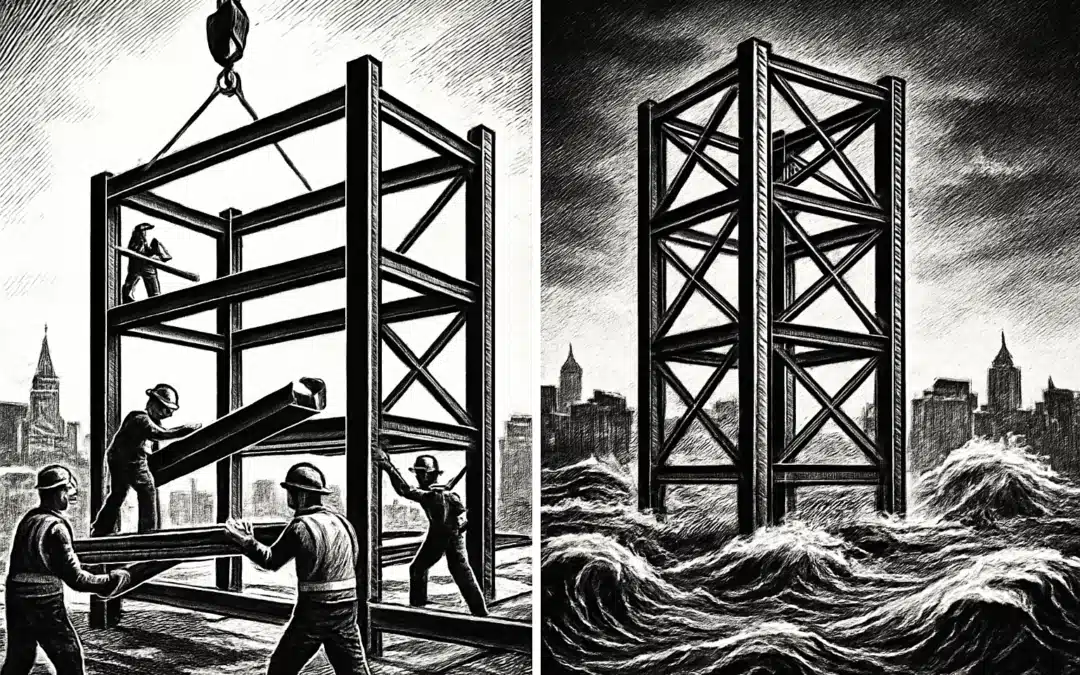
Much like how a chef preps his ingredients for an intricate dish, steel parts can be pre-engineered off-site and assembled on-site. This prefabrication process significantly accelerates the erection of structures, shave off weeks, or even months from construction schedules. Such a boon in a sector where time is often equivalent to cost.
Is Steel Construction the Sustainable Choice for Canadian Builders?
Here’s another ace up the steel construction’s sleeve: sustainability. As businesses and consumers grow more eco-conscious, so too must our construction processes. Steel parts can be recycled endlessly without losing their strength or quality, aligning with Canada’s vision of a greener future. On top of this, steel structures, such as the 20x30x10 ft steel building kit, come with unbeatable energy efficiency, further enhancing their sustainable appeal.
The Advantages of Building a Barndominium in B.C.
Barndominiums represent the art of flexible design in construction — a concept that merges the simplicity of a barn with the comfort of a condominium. Constructing a barndominium in British Columbia, for instance, offers unique advantages. Not only do they provide a quicker and more cost-effective way to build a home, but their open floor plan and steel construction also pave the way for easy customization and energy efficiency.
Looking Ahead: The Future of Steel Construction in Canada
While this federal funding brings a welcome influx of talent into Canada’s construction industry, it also signals an exciting shift towards steel as a principal building. The inherent advantages of steel – cost-efficiency, speed of assembly, and sustainability – underscore its potential to redefine the country’s building landscape.
Pro Tip for Developers: Whether you’re working on commercial or residential projects, consider integrating steel structures into your plans. As the industry shifts, those who adapt quickly stand to gain the most.
We leave you with this call to action: How are you adjusting your building strategies to accommodate the expected influx of steel construction? Share your thoughts in the comments below.
Source: Read original article here.