Rising Waves of Steel: Decoding the Leverage of the HST Relief in the Canadian Construction Industry
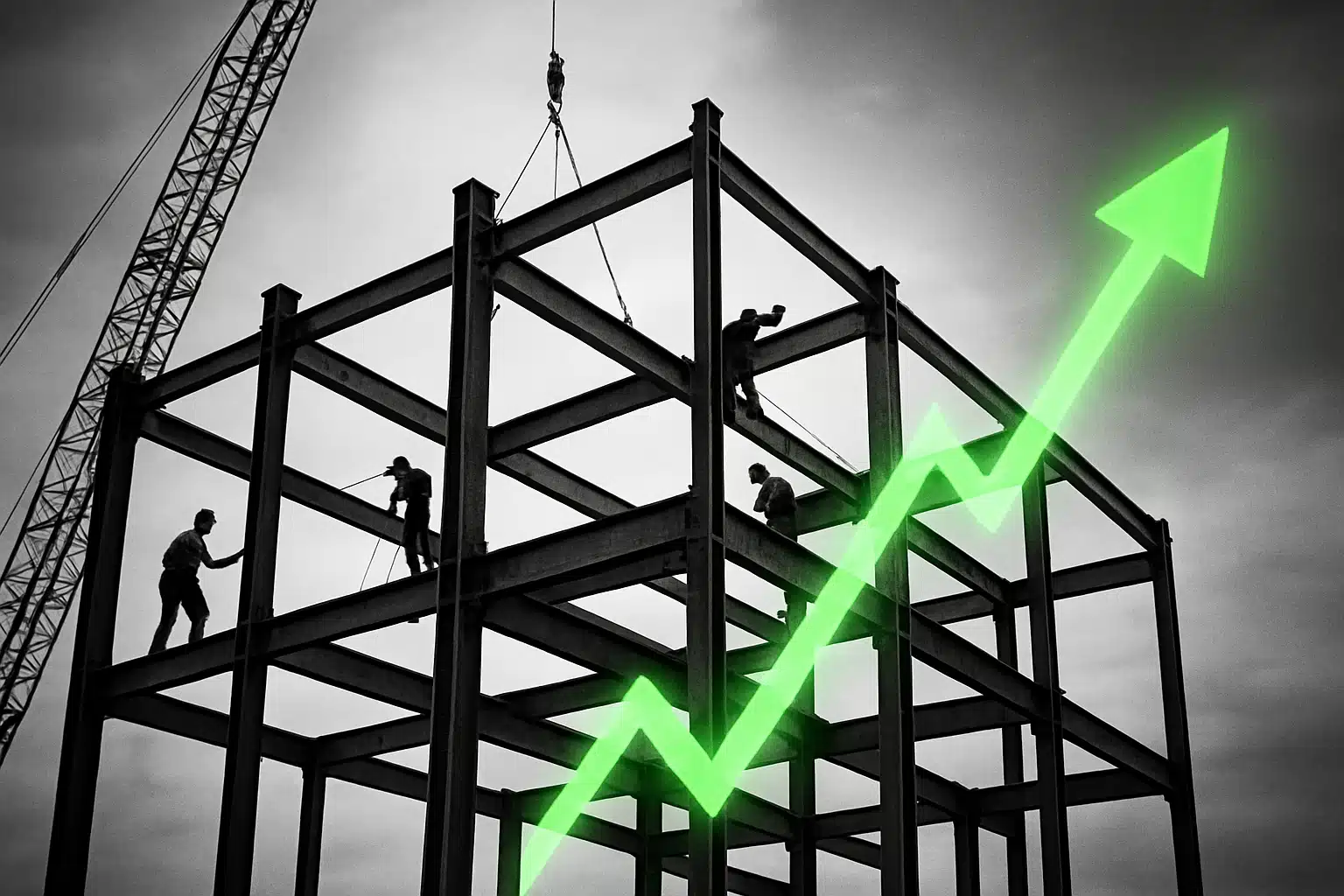
Did you know the residential construction sector in British Columbia scored a 7.1% escalation in investment during the first two months of 2026, as compared to the same period last year? Now, let’s add a new ingredient to this high performance cocktail: the recent HST relief in Ottawa and the consequent surge in new home sales. The question that bubbles up then is not “if”, but “how”, this shift would stir the construction industry across Canada.
Understanding the Implications of HST Relief
At first glance, HST relief functions as a catalyst that positively impacts the affordability of new homes in Ottawa. The domino effect of a higher demand for new homes acts favourably on the construction industry, thereby triggering a potential ripple effect across the entire real estate sector.
However, rising demand, coupled with the need for rapid delivery, introduces new challenges – cost-efficiency, speed of assembly, and sustainability – that the conventional brick-and-mortar construction approach might struggle to adequately address. Could the utilization of steel structures offer a comprehensive solution?
Why Steel Structures? The Comparative Advantage
Imagine building with steel as playing with industrial-grade Lego. You have pre-fabricated components ready to be assembled, drastically reducing the time, labour, and cost associated with the construction process. But that’s not the end of the story.
Steel construction also touts an exceptional advantage in terms of sustainability. By promoting significant efficiency in resource usage, steel structures considerably reduce the overall carbon footprint of the project. Yes, steel is a recyclable material – an attribute that fits like a glove with the increasing global emphasis on green building norms.
Will Steel Buildings Plug the Cost-efficiency Gap?
Construction industry leaders are already appreciating the remarkable cost-efficiency of steel buildings. Precision-engineered parts eliminate the need for any last minute, often expensive, changes. Also, the assembly line production of parts reduces manufacturing costs, which eventually translates into overall cost savings. The merit of steel buildings in Ontario, in particular, is starting to be acknowledged as a potent solution to address regional housing demands cost-effectively.
Can Steel Structures Bring the Speed Factor?
Look at the construction timeline of a structural steel building – the components arrive ready for assembly, saving the hassle of handling raw materials on site. This pre-fabricated advantage speeds up the process, essentially converting construction into more of a logistical task rather than a strenuous onsite operation. Undoubtedly, within the context of soaring demand for new homes, steel structures bring this much-needed speed on the table.
Sustainability: An Inherent Quality of Steel?
Regardless of how much time or money you save, none of it matters if our practices are digging deep holes in the environment. So, where does steel stand on the sustainability scale? For one, steel building components are 100% recyclable. Also, pre-fabricated parts lead to minimal waste during construction, bringing down the project’s pollution load.
Through these aspects, steel structures can offer a parallel, eco-friendly lane for the Canadian construction industry to tread on, simultaneously addressing cost, speed, and sustainability.
Pro Tip for Developers:
Pay attention to how you can leverage steel structures to meet the changing market needs efficiently. Your project could be residential, commercial, or industrial, but if you can align the triple-advantage of cost, speed, and sustainability, you’re right on track.
So what’s your take? Feel the rush in the steel building space? Your ah-ha moment is just a comment away. Let’s discuss how you are adapting your building strategies this year.
Source:
Read original article here.