Steel: The Untapped Potential for Canadian Construction Amidst Nature’s Disruptions
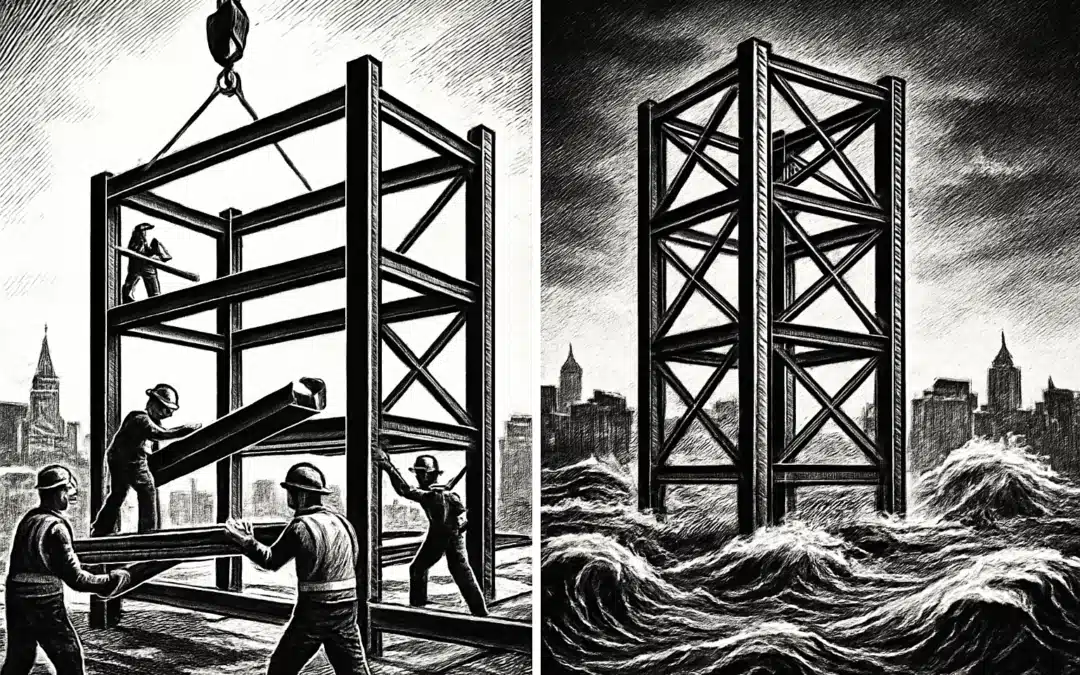
How resilient is the British Columbia real estate market in the face of unpredictable environmental upheavals? A landslide closed the section of Highway 1 between Revelstoke and Golden recently, but it’s far from being an isolated incident. Landslides and floods are becoming more common, and they pose serious challenges to our infrastructure.
Why is Traditional Construction Falling Short?
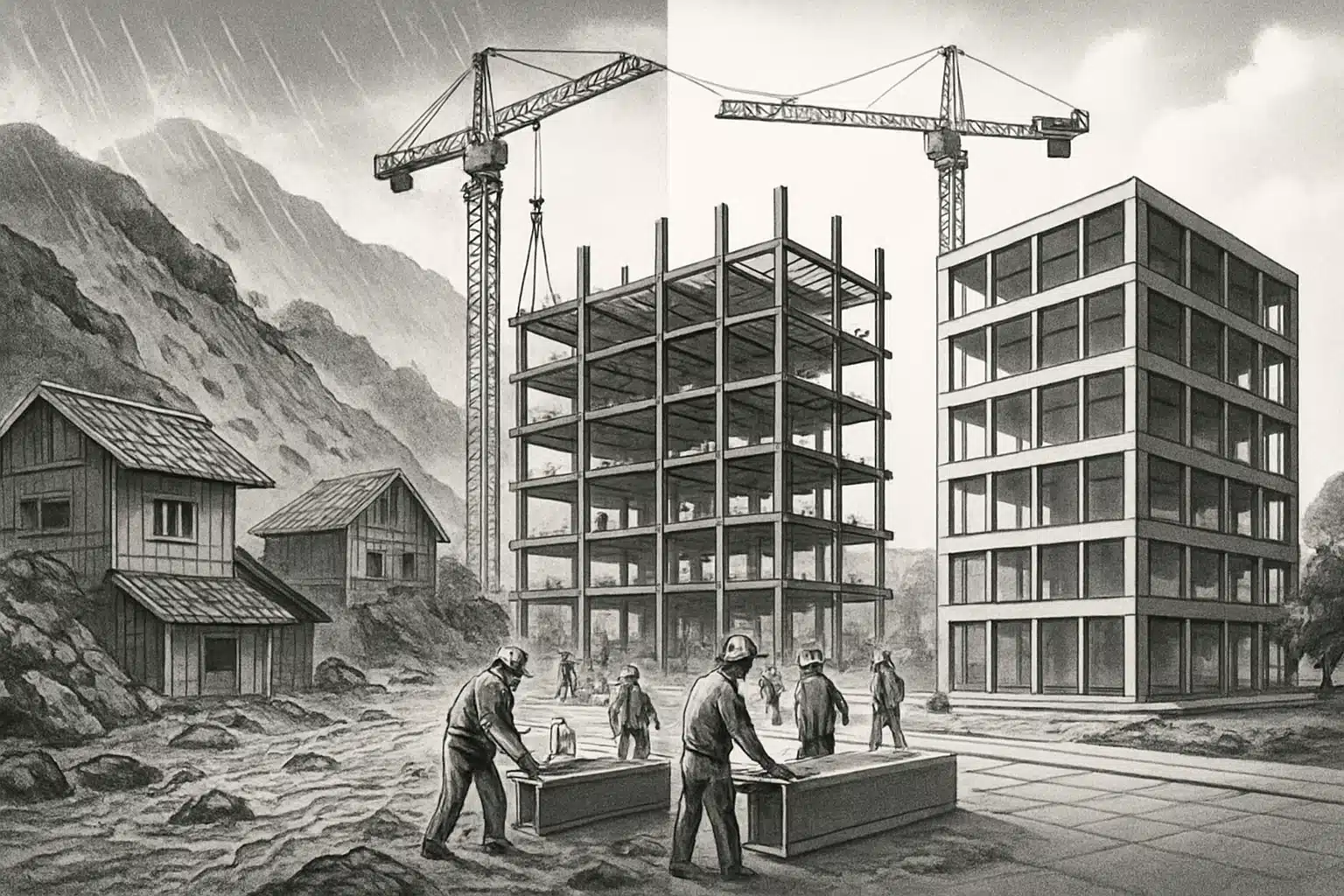
Traditional construction methods, primarily wood-framed buildings, are vulnerable to such events. While they have their advantages, they are notoriously slow to assemble and less resilient in extreme weather conditions. This cocktail of vulnerability and inefficiency begs for a solution, especially in areas frequently hit by environmental upheavals.
Are Steel Structures the Future of Sustainable Construction?
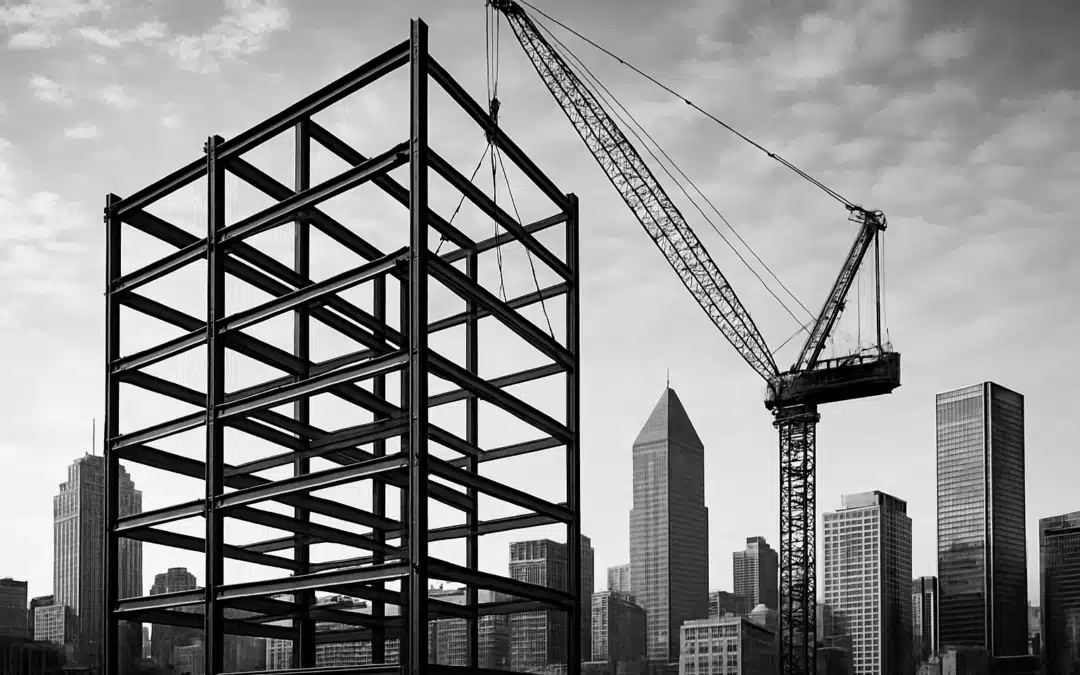
As people grapple with the growing vulnerabilities, it’s time to turn our attention to alternative building solutions that are cost-efficient, quickly assembled, and sustainable. Welcome to the world of steel construction. It’s like playing with industrial-grade Lego – swift, precise and resilient.
Steel structures are renowned for their superior strength and durability. Moreover, these structures are cost-effective, thanks to streamlined assembly processes, less maintenance, and fewer replacement costs. A notable steel provider in the region is British Columbia steel buildings, offering a selection of ready-to-assemble solutions.
Developers are capitalizing on the shortened construction schedules and the extended longevity offered by steel structures. A case in point, the increasingly popular barndominiums in British Columbia – a hybrid of barns and condominiums, demonstrating how steel construction can make a dramatic difference in efficiency and sustainability.
What Role Does Steel Play in Climate Change Adaptation?
Environmental sustainability heavily underscores the steel construction industry, with many steel structures boasting about 90% recycled material. Furthermore, as production technology improves, the carbon footprint of steel production continues to decrease. By choosing steel, developers have the power to make a profound contribution to sustainability goals.
How Will the Rising Demand for Steel Affect Its Prices?
Despite the clear benefits, a transition to steel doesn’t come without its challenges. One such challenge is the volatility of global steel prices. However, even in the face of price fluctuations, developers who have made the switch to steel note that the investment pays off.
Take a look at this sturdy steel building kit as a prime example. What seems like a hefty upfront investment can morphs into a cost-effective solution over time, thanks to steel’s multi-decade lifespan and lower maintenance requirements.
Pro Tip for Developers:
Consider the long-term benefits of steel structures. While the upfront costs may seem daunting, steel’s durability, ease of assembly, and longevity make them a cost-efficient choice for the long haul especially against the backdrop of environmental challenges we face today.
Conclusion
The Highway 1 landslide is a reminder of the vulnerabilities in our built environment. As we brace ourselves for more such incidents, it’s clear that resilient and sustainable solutions like steel structures will be key to weathering these storms. Such a shift won’t just benefit developers and owners, but it could help the entire economy to bloom, even in the face of rising environmental challenges.
Do you have insights or experiences with steel construction that you’d like to share? Perhaps, a success story of your transition from traditional construction materials to steel? Or the challenges you face? We invite you to share your thoughts in the comments below. How are you adapting your building strategies this year?
Source: Read original article here.